We're independent: products are chosen on merit and prices come from the retailers' own sites. We may earn a commission if you buy through our links. Learn more.
In an emergency, get everyone out first and call 112 from a cellphone, or your local fire brigade. This guide is general information; always follow the manufacturer's instructions and local regulations.
Key takeaways
- Most kitchen fires start with cooking left unattended. Stay with anything on the stove, and switch it off if you have to walk away.
- Never put water on burning oil and never carry a burning pan. Turn off the heat if it's safe, then smother it with a fire blanket or a lid.
- Mount a fire blanket and an ABC extinguisher together near the kitchen door, not next to the stove.
- When the power goes, switch off the stove and oven at the wall, and use rechargeable lights rather than candles where you can.
- Keep a one-metre kid-free zone around the stove, and turn pot handles inwards.
The oil is heating for vetkoek, the kids are underfoot, someone’s at the gate, and the power is due to go off in twenty minutes. Kitchen fires rarely start with anything dramatic. They start with a pan left alone a little too long while life happens around it.
This guide covers the fires South African kitchens actually see: burning oil, gas hobs, paraffin stoves, candles during load shedding, and the chaos of festive cooking. It explains how to stop them starting, what to do in the first few seconds if one does, and where your fire blanket and extinguisher belong.
Quick answer: what to do, fire by fire
| Fire | Do this | Never do this |
|---|---|---|
| Pan of burning oil | Heat off if safe, then cover with a fire blanket or a tight lid. Leave it covered | Throw water on it, or carry it outside |
| Oven fire | Switch off and keep the door closed | Open the door to look |
| Gas hob flare-up | Turn off the burner, or close the cylinder valve if you can reach it safely | Lean over the flames to reach the knobs |
| Toaster, kettle or appliance | Switch off at the wall if safe, then use an ABC extinguisher | Use water on anything still plugged in |
| Clothing on fire | Stop, drop and roll, or wrap the person in a fire blanket | Run |
| Anything spreading or bigger than you | Get everyone out, close the door, call for help | Go back in |
For emergencies, dial 112 from a cellphone, and save your municipality’s fire number in your phone today.
Why kitchens are where house fires start
In the United States, the National Fire Protection Association (NFPA) has found for years that cooking is the leading cause of reported home fires and injuries, with unattended cooking by far the biggest factor. We couldn’t find comparable national figures for South Africa, but local fire safety advice keeps coming back to the same habit: don’t walk away from the stove.
Load shedding added its own risks. A 2022 study of Cape Town, published in the South African Journal of Economics, found that residential fires became more likely in areas when load shedding was under way. Households turning to candles, gas and paraffin for light and cooking is one likely reason.
Pan fires: the big one
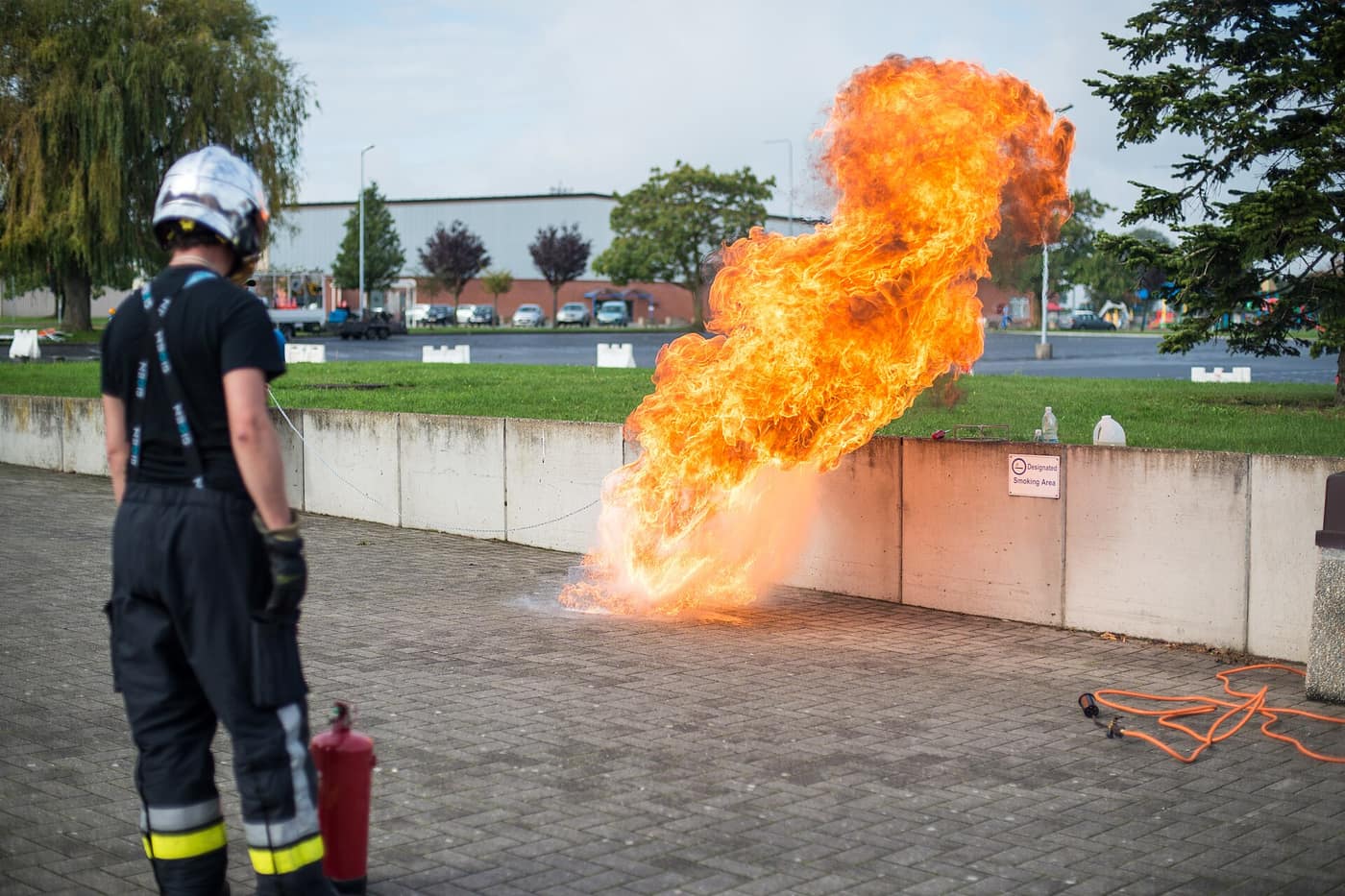
Oil starts smoking well before it catches fire. Smoke is your warning. If the oil is smoking, turn the heat down or off and move the pan off the hot plate if you can do so calmly.
If it does catch:
- Don’t move the pan. Carrying a burning pan spills burning oil onto you, the floor and anyone nearby.
- Turn off the heat, only if you can reach it safely. On a gas hob, close the cylinder valve if it’s within reach.
- Smother it. Pull the fire blanket from its holder, wrap the top edge around your hands, and lay it over the pan away from you. A well-fitting lid or a baking tray slid over the pan also works on a small fire.
- Leave it covered. Don’t lift the blanket to check. Leave it in place for at least 30 minutes until the pan has cooled, or the oil can flare up again.
- Get out if it isn’t working. Close the kitchen door behind you and call for help.
A powder (DCP) extinguisher fired at close range can also blast burning oil out of the pan. That’s why the blanket is the first choice on the stove. For homes that deep-fry often, a wet chemical extinguisher rated for class F fires is designed for cooking oil; our fire extinguisher types guide explains the classes.
Keep pan fires from starting
- Stay in the kitchen when you fry, grill or braai indoors. If you have to leave, even to answer the gate, switch off the heat.
- Fill pots no more than a third full of oil for deep-frying, and lower food in gently.
- Use a thermostat-controlled deep fryer rather than a pot of oil on a plate, if you fry a lot.
- Keep the stove top clear of tea towels, oven gloves, paper, plastic packaging and wooden spoons.
- Clean the extractor filter. A greasy filter above a pan fire gives the flames somewhere to go.
Gas hobs and stoves
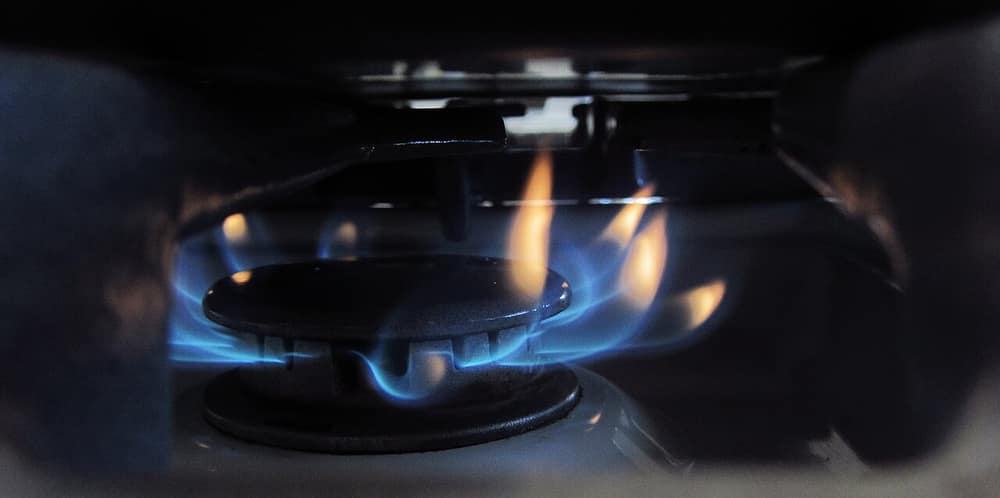
Gas hobs keep cooking through power cuts, but the cylinder and connections need respect.
- Turn off at the cylinder when you’re done cooking for the day, not only at the knob.
- Leak test with soapy water every time you change a cylinder. Brush it over the valve, regulator and hose connections: bubbles mean a leak. Never test with a flame.
- Keep the hose clear of the hob and oven, and replace it if it’s cracked, hard or kinked.
- Don’t put a big pot on a small burner or a wobbly stand. It can tip and start a fire or scald someone.
- Fixed installations need a registered installer. A hob plumbed to a cylinder outside counts as a gas installation and needs a Certificate of Conformity from an SAQCC Gas registered practitioner. Our gas compliance certificate guide explains how it works, and you can get quotes from installers if you’re putting one in.
If you smell gas, don’t switch anything on or off or light a flame. Close the cylinder valve if it’s safe to reach, open windows on your way out, and call for help from outside. Our gas heater safety guide covers leak tests and carbon monoxide in more detail.
Load shedding and power cuts
- Switch the stove and oven off at the wall when the power goes. Eskom’s own load shedding checklist reminds you to switch off an oven that was on when the outage started. Otherwise a forgotten plate comes back on by itself when the power returns, possibly when nobody’s in the kitchen.
- Wait before switching big appliances back on. Eskom and municipalities have asked households to switch off stoves and geysers during outages and stagger switching them back on, to avoid tripping supply when power returns.
- Prefer rechargeable or battery lights to candles. A torch or LED lantern can’t tip over and set the curtains alight.
- Cook in daylight where you can, or plan quick meals around the schedule.
Candles
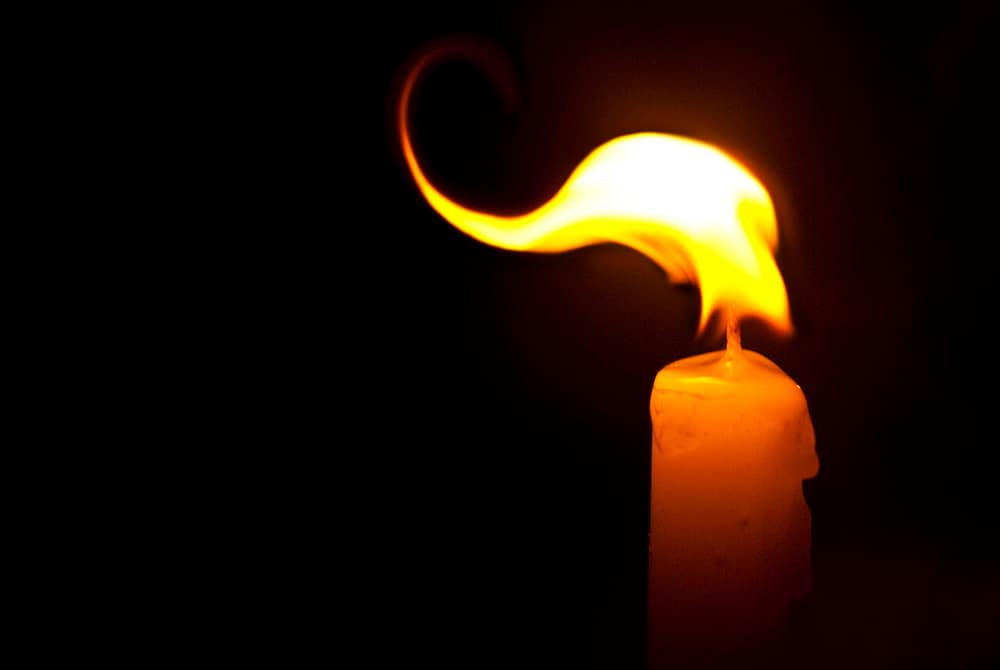
If you do use candles, the City of Cape Town’s fire safety tips and general fire service advice come down to a few rules:
- Stand candles in a tin or jar of sand so a falling candle goes out.
- Cut long candles in half and use a proper holder, so they can’t topple.
- Keep them away from curtains, cupboards, paper and the stove, and out of reach of children and pets.
- Never leave a candle burning when you go to sleep or leave the room.
Paraffin stoves
Paraffin stoves remain a common way to cook in many South African homes, and fire and burn specialists regularly single them out as a major cause of house fires and burns.
- Buy an approved stove. Non-pressure paraffin stoves sold in South Africa must be approved by the National Regulator for Compulsory Specifications (NRCS), and each approved type is given an NRCS approval number. Ask the seller for it, and avoid cheap stoves with no markings or paperwork.
- Refill outdoors, only when the stove is off and cool, and away from children.
- Stand it on a flat, stable surface where it can’t be knocked over, away from curtains and doorways.
- Store paraffin in a proper, labelled container with a child-proof cap, never in a cooldrink bottle.
- Never leave it burning while you sleep or go out.
Paraffin, gas and wood all produce carbon monoxide when they burn. If you use any of them indoors, fit a CO alarm; our smoke and CO detector guide explains where.
Kids in the kitchen
- Keep a kid-free zone of about a metre around the stove and anywhere hot food or drinks are carried. The NFPA recommends at least 3 feet, roughly a metre.
- Turn pot and pan handles inwards so they can’t be grabbed or bumped.
- Use the back plates when small children are around.
- Keep matches and lighters out of reach, and teach older children what to do if something catches: shout for an adult, get out, and stop, drop and roll if their clothes catch.
- Keep kettle cords short and out of reach. A pulled cord can pour boiling water over a child.
If someone is burned, cool the burn under cool running water for 20 minutes (not ice), remove rings and watches near the burn if they aren’t stuck, and get medical help for anything more than a small, minor burn, and always for a burn on a young child.
Festive cooking and big crowds
December means extra people, bigger pots, long hours in the kitchen and, often, a few drinks. That’s a recipe for the stove being left unattended.
- Make one person “on stove” at a time, and if they leave the kitchen, the heat goes off.
- Don’t cook after drinking or when you’re exhausted.
- Fry outside with care. A big pot of oil on an outdoor gas burner is no safer if it’s overfilled or unattended. Keep it level and well away from the house and people.
- Watch the decorations. Keep paper tablecloths, crackers and candles away from the stove and the braai.
Where to put your fire blanket and extinguisher
The kit only helps if you can reach it in the first few seconds without leaning over the fire.
- Near the kitchen door, not next to the stove. You should be moving towards your exit when you grab it.
- At about shoulder height, so you can pull the blanket’s tapes straight down.
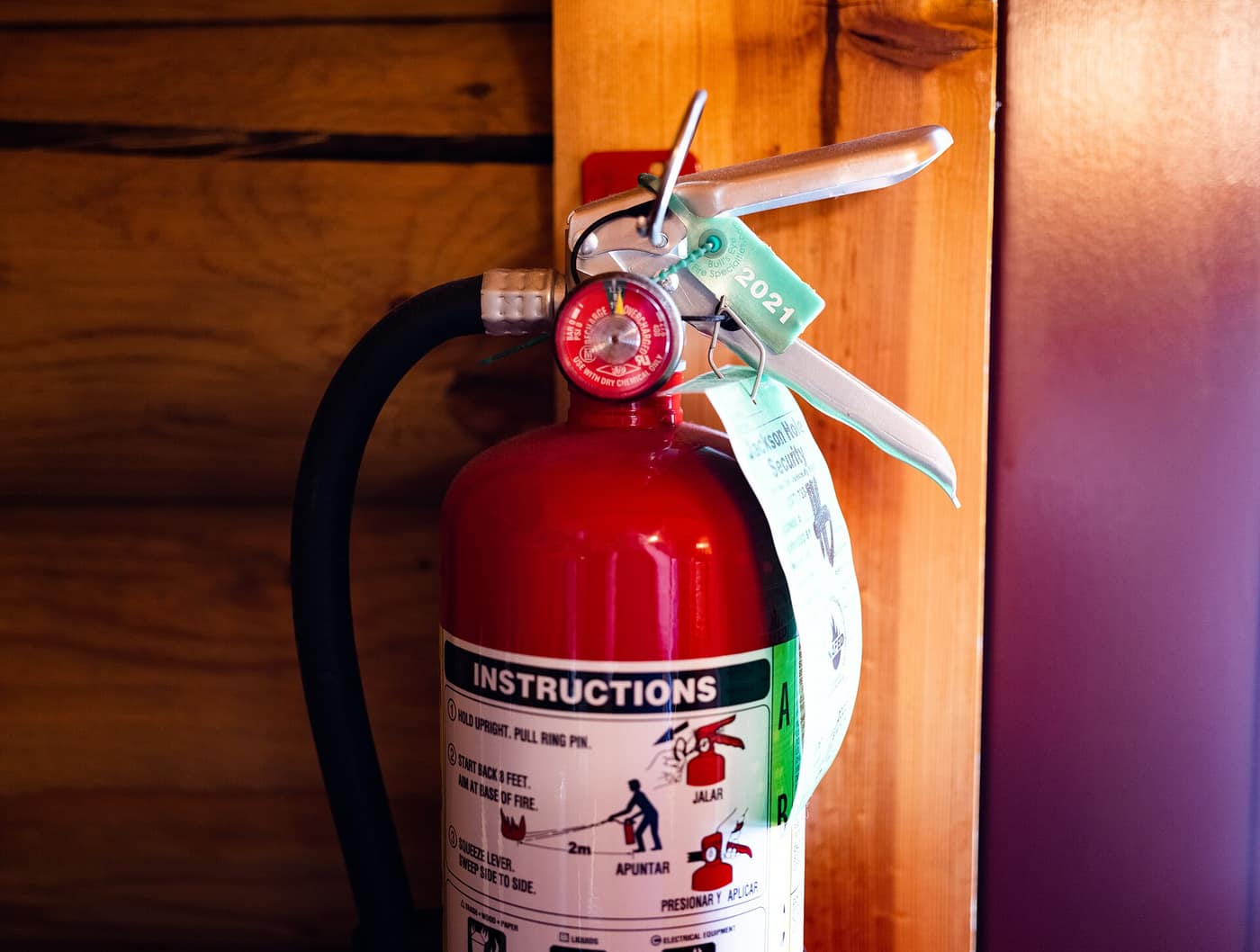
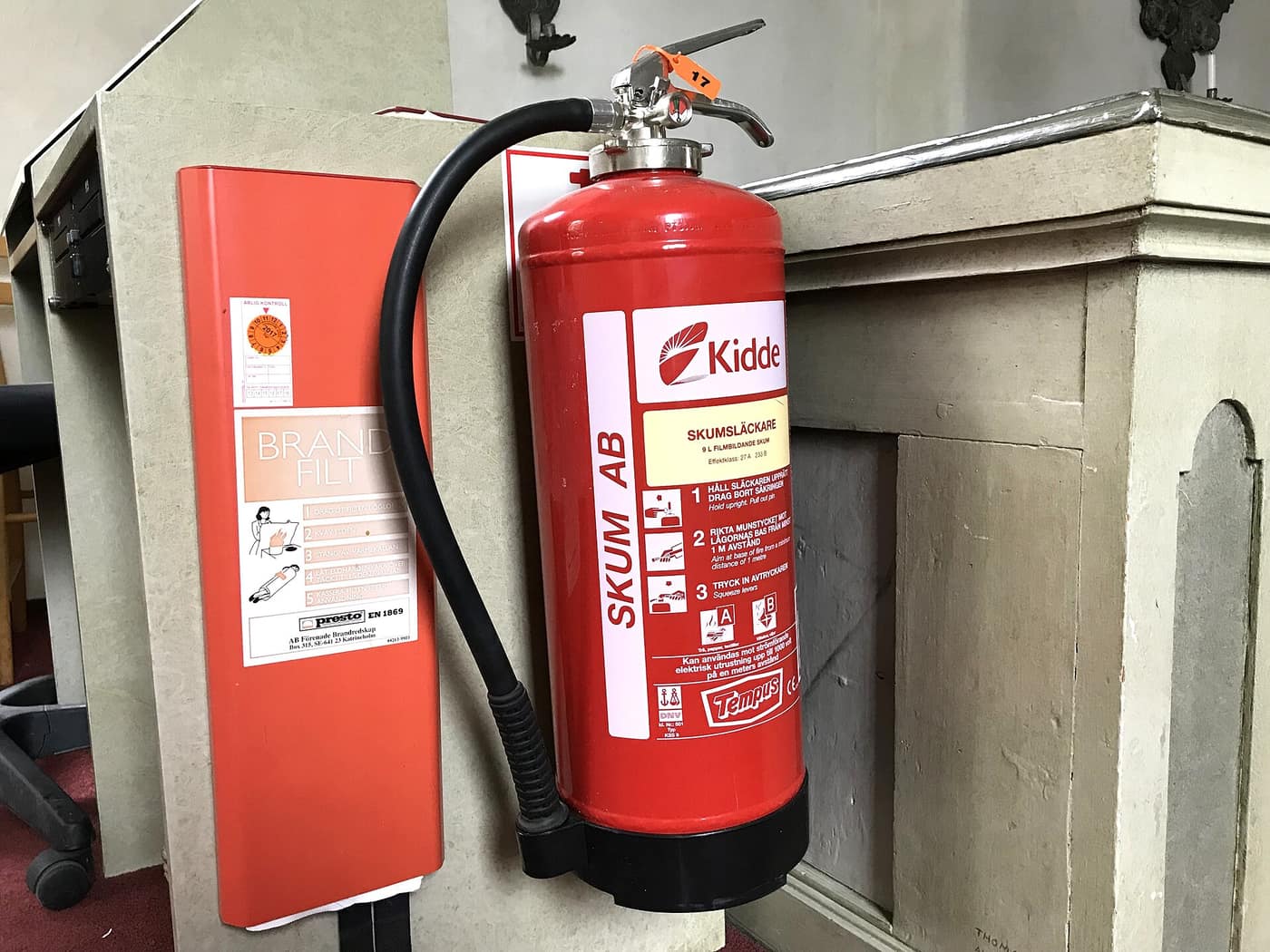
- Side by side. Hang the blanket and an ABC extinguisher together, so in a panic there’s only one place to remember.
- Visible and clear, not inside a cupboard or behind a door.
- A second set for the lapa or outdoor kitchen if you cook with oil or gas out there.
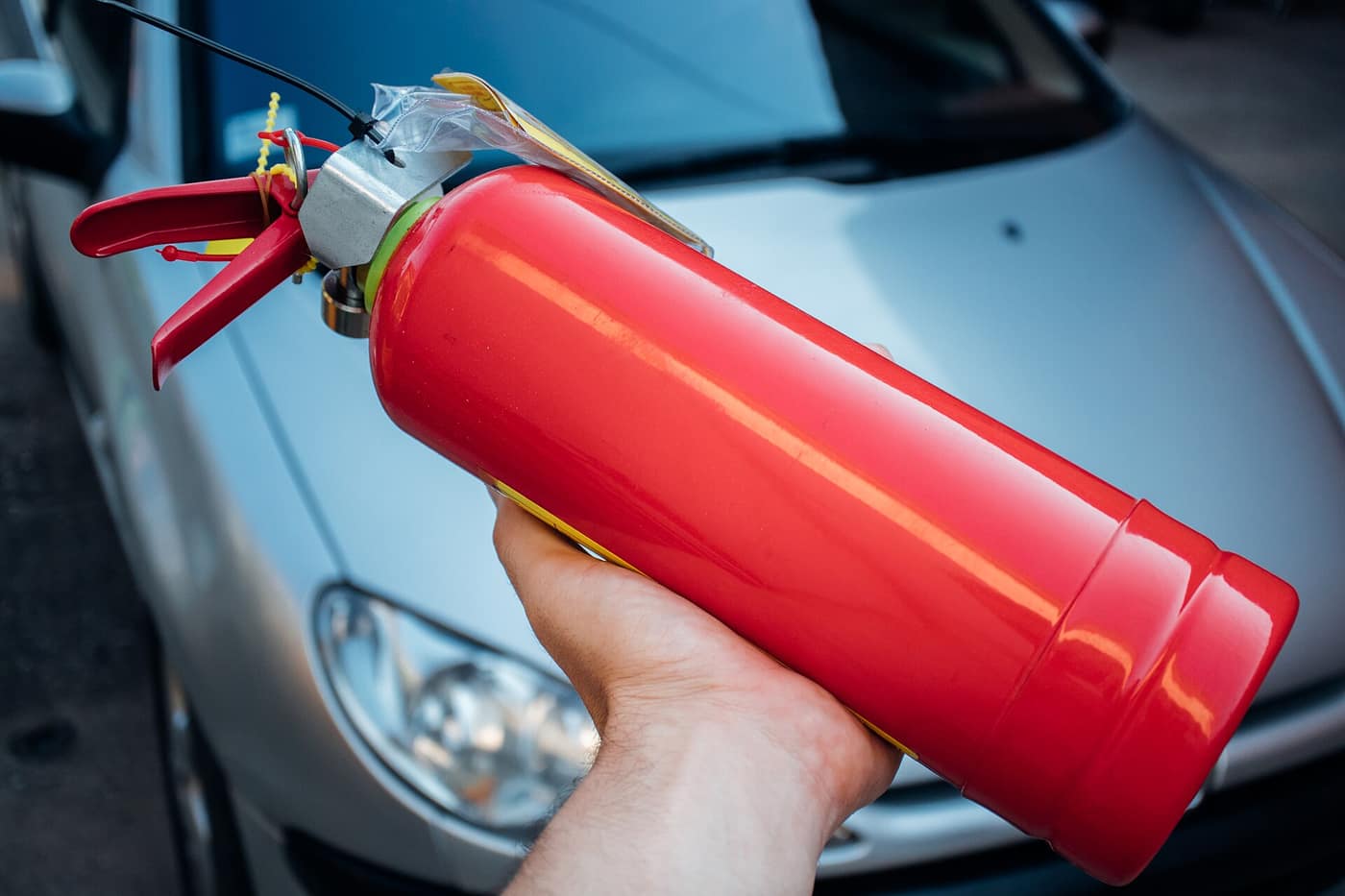
Our fire extinguisher guide covers sizes, servicing and how to use one.
What to buy
A blanket for the stove and an ABC extinguisher for everything else covers most homes. Add a wet chemical unit only if you deep-fry a lot.

Arbor Safety Co
Glass Fibre Fire Blanket
The tool for a burning pan. It meets EN 1869, comes in a clearly marked red bag for a hook by the kitchen door, and at 2 m × 2 m it can wrap a person too.
- 100% glass fibre
- 2 m × 2 m
- Complies with EN 1869:1997
- Single use
- Smothers a pan fire without disturbing the oil
- Anyone in the house can use it
- Replace it after one use
- Bag rather than a quick-release hard case

Arbor Safety Co
2.5kg DCP Fire Extinguisher (Firemate)
An ABC powder unit for the fires a blanket can't cover: a burning kettle cord, a bin, a toaster. Mount it beside the blanket at the kitchen door.
- 2.5 kg ABC dry chemical powder
- Class A, B and C
- Supplier says it conforms to SANS 1910:2009 fire ratings
- Covers most household fires
- Light enough for most adults
- Powder at close range can spread burning oil
- Leaves fine powder everywhere

Arbor Safety Co
6l Wet Chemical Fire Extinguisher
A class F extinguisher made for burning cooking oil. Worth it if you deep-fry often, run a busy outdoor kitchen or cater for big crowds; most homes are fine with a blanket.
- 6 litres wet chemical
- Class F (cooking oils and fats)
- Designed for deep-fryer fires
- Purpose-built for oil fires
- Handles fires too big for a blanket
- Four times the price of a blanket
- Bulky for a small kitchen
Prices change often; check the retailer for the current price and stock. We may earn a commission if you buy through these links, at no extra cost to you. Star ratings are the store's own customer reviews, shown once a product has at least 3. How we choose products.
FAQ
What is the most common cause of kitchen fires?
Cooking left unattended, especially frying with oil. NFPA data from the US consistently puts unattended cooking as the leading factor in cooking fires.
How do you put out a pan fire?
Turn off the heat if you can do it safely, then cover the pan completely with a fire blanket or a tight lid. Leave it covered for at least 30 minutes until it has cooled. Never use water and never carry the pan.
Can I use a fire extinguisher on a pan fire?
A wet chemical (class F) extinguisher is designed for cooking oil. A powder extinguisher used at close range can spread burning oil, so a fire blanket is the safer first choice on the stove.
Where should a fire blanket go in the kitchen?
On the wall near the kitchen exit, at about shoulder height, and away from the stove, so you can reach it without leaning over the fire.
Is it safe to leave the stove on during load shedding?
No. Switch the stove and oven off at the wall when the power goes, so nothing comes back on unattended when power returns.
What should I do if I smell gas in the kitchen?
Don’t switch anything on or off or light a flame. Close the cylinder valve if it’s safe to reach, open windows on your way out, and call for help from outside.

Nadia Pillay
Home fire safety writer
Writes our home fire safety guides, built on SANS standards, SAQCC rules and fire service advice.
More from Nadia →