We're independent: products are chosen on merit and prices come from the retailers' own sites. We may earn a commission if you buy through our links. Learn more.
Key takeaways
- Black glass is a symptom: wet wood, a fire starved of air or a smouldering overnight burn are the usual causes.
- For everyday soot, damp newspaper dipped in fine wood ash from your own firebox lifts most of it off a cold door.
- Only clean the glass when it is completely cold, and keep sprays and water away from the rope seal around the door.
- Never use steel wool, scouring powder or oven cleaner on stove glass, and don't use ammonia window sprays on gas fireplace glass.
- Dry hardwood, a hot start and an open airwash keep the glass clear far longer than any cleaner.
You light the first proper fire of the evening, sit back, and within an hour the view has gone from dancing flames to a brown-grey smudge. Black fireplace glass is one of the most common complaints about closed combustion stoves, and it’s nearly always fixable, both the mess and the cause.
This guide covers why the glass blackens, the free newspaper-and-ash method, which cleaners help and which damage the glass or door seal, the habits that keep it clear all winter, and gas fireplace glass, which needs different care.
Quick answer
| Situation | What to use | What to avoid |
|---|---|---|
| Light grey film after a few fires | Damp newspaper or a damp cloth, then a dry cloth | Cleaning while the glass is warm |
| Brown or black soot | Damp newspaper dipped in fine wood ash | Coal or briquette ash, which is gritty |
| Thick, tarry deposits | A cleaner made for wood stove glass, applied to a cloth | Steel wool, scouring powder, oven cleaner |
| White haze on gas fireplace glass | The cleaner your fireplace manufacturer recommends | Ammonia window sprays, abrasives |
| Glass blackens again within an hour | Fix the wood and air settings, not the glass | Buying stronger cleaners |
Why fireplace glass goes black
Soot and tar on the glass are unburnt fuel. Wood gives off smoke and gases as it heats, and when the fire is hot and has enough air, most of that burns off inside the firebox. When it doesn’t, the smoke condenses on the coolest surface it can find, and in a closed combustion stove that is usually the door glass.
The common causes:
- Wet or green wood. Water in the wood has to boil off first, which cools the fire and produces a lot of smoke. Wet wood is the single most common reason for black glass.
- Too little air. Turning the air control right down to make a load last overnight makes the fire smoulder. Many stoves also feed their airwash from the same control, so closing it starves the glass of its clean air curtain.
- A cold start. The first half hour, before the firebox and flue are hot, is when most soot lands on the glass.
- Logs against the glass. A log leaning on the door blocks the airwash and leaves a dark patch where it touched.
- Leaky door seals. A worn rope seal lets air in around the door instead of through the airwash, so the glass loses its protection, often at the edges first.
- Softwood, treated wood and rubbish. Pine, pallets and household waste smoke heavily and leave sticky deposits.
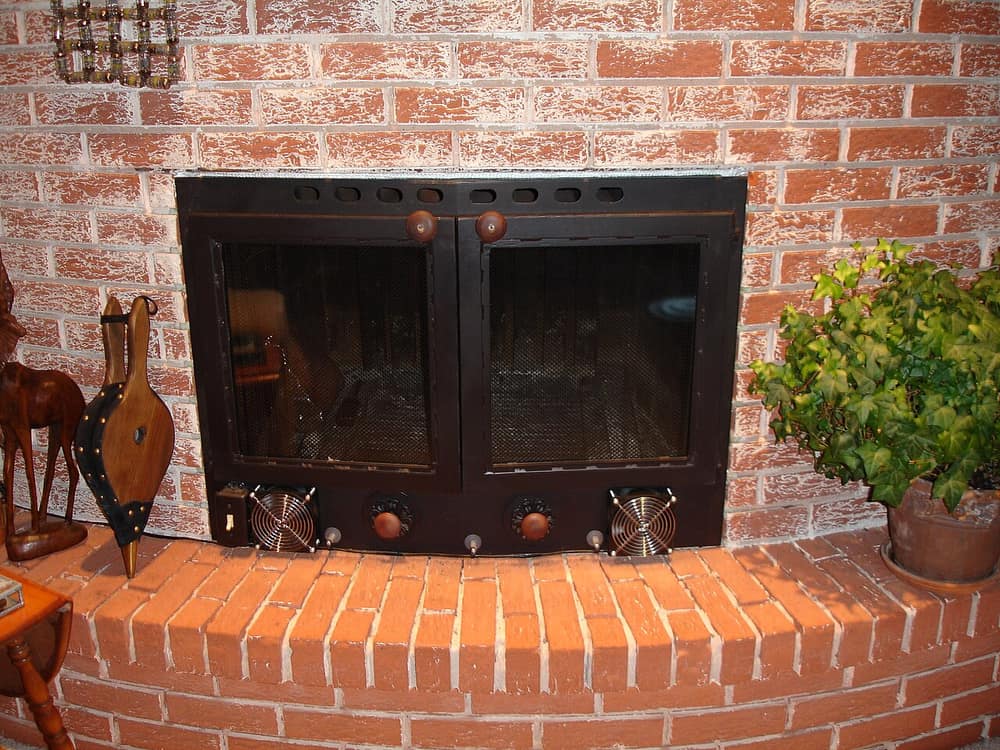
Before you start
Wait until the fire is completely out and the glass is cold to the touch. Stove glass can stay hot for hours, and cleaning hot glass burns your hands, bakes the cleaner on and leaves streaks.
You’ll need: old newspaper, a small bowl of water, a soft cloth or two, a little fine wood ash from the firebox, rubber gloves, and something to protect the floor or hearth.
How to clean fireplace glass with newspaper and ash
This is the method most stove makers and sweeps suggest first. It costs nothing, and fine wood ash is gentle enough to lift soot without scratching most stove glass.
- Open the door and lay newspaper on the hearth to catch drips and ash.
- Scrunch a sheet of newspaper into a loose ball and dip it in water. Squeeze it out so it is damp, not dripping.
- Dab it into fine, cold wood ash from the bottom of the firebox. Avoid lumps of charcoal and grit.
- Rub the glass in small circles, starting with the dirtiest areas. Add more ash as the paper picks up soot.
- Wipe off the grey paste with a clean, damp sheet of newspaper or a cloth.
- Buff dry with a dry cloth or dry newspaper so it doesn’t streak.
- Close the door and check the glass from the room side. Odd spots often only show once the door is shut and the light is behind it.
When the ash trick isn’t enough
Thick brown or black tar that has been baked on over many fires may not come off with ash alone. Use a cleaner made specifically for wood stove or fireplace glass. Look for one labelled for stove glass, not for kitchen cooktops or windows, and follow its instructions.
- Spray or squeeze it onto a cloth, not straight onto the glass, so it doesn’t run into the rope seal or onto painted metal.
- Leave it for the time the label says, then wipe off and buff dry.
- Repeat rather than scrub harder. Two light passes are safer than one aggressive one.
Some stove makers also sell their own glass cleaner. Your manual is the best guide to what is safe for your particular glass.
What not to use on stove glass
- Steel wool, scourers and scouring powders. They scratch, and scratches catch soot faster next time.
- Coal or briquette ash. It is grittier than wood ash and more likely to mark the glass.
- Oven cleaner and strong degreasers. They can damage the door paint and the rope seal, and they’re not made for stove glass.
- Lots of water. A soaked rope seal can lose its shape, and water left in the door frame can lead to rust.
- Razor blades or scrapers, unless your stove manual says they’re safe. Some glass has coatings that a blade will damage.
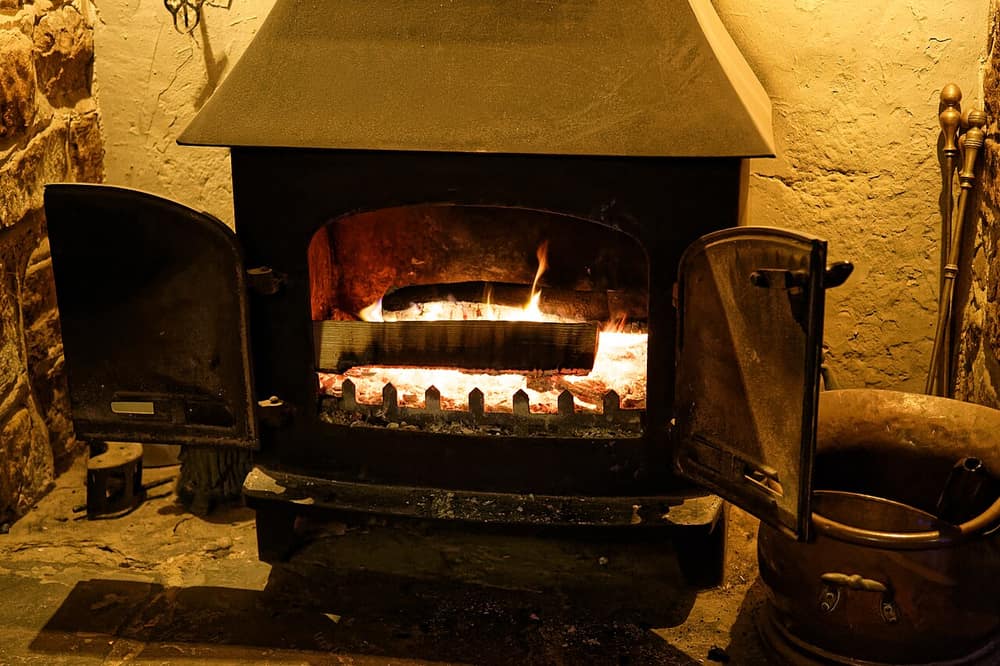
How to keep fireplace glass clean
Cleaning removes the soot; these habits stop it forming in the first place.
Burn dry hardwood
Use dry, seasoned hardwood. Firewood is generally recommended to be at about 20% moisture or less, which usually means wood that has been split and stacked under cover for a year or more. Dry wood has cracked ends, feels light for its size and sounds hollow when you knock two pieces together. Our braai wood guide covers good local hardwoods such as sekelbos and rooikrans and how to check they are dry.
Light it hot and give it air
Start each fire with plenty of kindling and the air control fully open, and leave it open until the fire is well established and the firebox is hot. Only then turn the air down gradually. If the glass darkens as soon as you close the air, you have closed it too far.
Load it properly
- Keep logs back from the door so they don’t touch or lean on the glass.
- Don’t pack the firebox so full that flames are pressed against the door.
- Add a few smaller logs often rather than one huge load that smoulders.
Check the door seal
Close the door on a strip of paper and try to pull it out. If it slides out easily at any point around the door, the rope seal may be worn or compressed. Replacement rope seal kits are available for most stoves; use the size your manual specifies.
Look at the stove size and flue
A stove that is too big for the room gets run with its air turned down all the time, and a flue that doesn’t draw well leaves smoke lingering in the firebox. Both show up as black glass. Our closed combustion fireplace guide explains sizing, and if the glass blackens fast even with dry wood, a blocked or dirty flue is worth ruling out. The chimney cleaning guide lists the other warning signs.
Cleaning gas fireplace glass
Gas fireplaces don’t produce much soot, but the glass can develop a white or cloudy film from combustion deposits, especially when the fireplace is new. Some manufacturers warn that if the film is left too long it can etch into the glass permanently, so clean it early.
- Use the cleaner your manufacturer recommends. At least one major gas fireplace maker specifically warns against ammonia-based window cleaners on its glass, and against abrasives.
- Turn the fireplace off and let it cool completely before you touch the glass.
- Check the manual before removing the glass panel. On many balanced flue units the glass is part of the sealed combustion system, and it must be refitted correctly. If you’re not sure, ask a registered gas installer to do it at the fireplace’s service.
- Soot on gas fireplace glass is a warning sign. A yellow, sooty flame or black marks usually mean the fireplace needs a service. Our gas fireplace guide covers what to look out for.
Kit for a cleaner fireplace
The glass stays cleaner when the firebox is kept tidy and logs are placed carefully. A good tool set handles the weekly ash clean-out and lets you set logs well back from the door.

Megamaster
Megamaster Square Fireplace Toolset
Poker, brush, tongs and shovel in a mesh holder. The brush and shovel handle the weekly ash clean-out, and the tongs let you place logs away from the glass.
- Poker, brush, large tongs and shovel
- Square mesh holder
- For freestanding, built-in and closed combustion fireplaces
- Everything for routine ash and log handling
- Affordable for a full set
- Mesh holder is more practical than decorative

Megamaster
LUX 5-PIECE FIREPLACE TOOLSET
A sturdier stand with a heavy base and slots for each tool. Brush, shovel, tongs and poker cover cleaning out the firebox and keeping logs off the door.
- Brush, shovel, tongs and poker
- Stand with heavy-duty base
- 4-slot top rack
- Stable stand that won't tip easily
- Tidier next to a lounge fireplace
- Costs more than a basic set for the same tools
Prices change often; check the retailer for the current price and stock. We may earn a commission if you buy through these links, at no extra cost to you. Star ratings are the store's own customer reviews, shown once a product has at least 3. How we choose products.
Empty ash into a metal bucket with a lid and leave it outside, away from the house, for a few days before you throw it out. Ash that looks dead can hold live embers for a long time.
A simple cleaning routine
| How often | Job |
|---|---|
| Every 2–4 fires | Wipe the glass with damp newspaper or the ash method |
| Weekly in winter | Remove excess ash, check the door seal for gaps |
| Monthly | Clean the glass properly, check for cracks and loose glass clips |
| Once a year, before winter | Have the chimney swept and the stove inspected |
For a broader look at open fires, inserts and stoves, see our fireplace guide.
FAQ
Why does my fireplace glass go black so quickly?
Usually because the wood is wet or the fire is starved of air. Burn dry hardwood, start the fire with the air fully open, and don’t turn the air control down so far that the fire smoulders.
Does the newspaper and ash trick really work?
Yes, for light to moderate soot. Fine wood ash on damp newspaper is a mild cleaner that lifts soot from cold glass. Use only wood ash, not coal or briquette ash, and switch to a stove glass cleaner for heavy, baked-on tar.
Can I use Windex or other window cleaner on fireplace glass?
It won’t shift tarry wood soot well, and some gas fireplace makers specifically say not to use ammonia-based window cleaners on their glass. Use a cleaner made for stove or fireplace glass, or the one in your manual.
Can I clean fireplace glass while it’s warm?
No. Wait until the fire is out and the glass is completely cold. Cleaning warm glass risks burns, streaks and cleaner baking onto the surface.
How do I get white haze off gas fireplace glass?
Use the cleaner your fireplace manufacturer recommends, as soon as you notice the haze. Left too long, the film can etch into the glass and become permanent.

Lize van Wyk
Heating & fireplaces writer
Covers gas heaters, fireplaces and keeping a South African home warm through winter and load shedding.
More from Lize →