We're independent: products are chosen on merit and prices come from the retailers' own sites. We may earn a commission if you buy through our links. Learn more.
In an emergency, get everyone out first and call 112 from a cellphone, or your local fire brigade. This guide is general information; always follow the manufacturer's instructions and local regulations.
Key takeaways
- Under section 12 of the National Veld and Forest Fire Act, owners whose land carries a veld fire risk must prepare and maintain firebreaks; the Act sets no fixed width.
- When a high fire danger warning is published, no one may light, use or maintain a fire in the open air in that region, braais included.
- Members of a Fire Protection Association aren't presumed negligent in a civil claim if a fire spreads from their land.
- If a veld fire is coming, call 112 from a cellphone early and leave early. Only fight small spot fires with a safe exit behind you.
- The Western Cape fire season traditionally peaks from December to April, right over the holidays, and now starts earlier: save your local fire number and pack a go-bag before you leave.
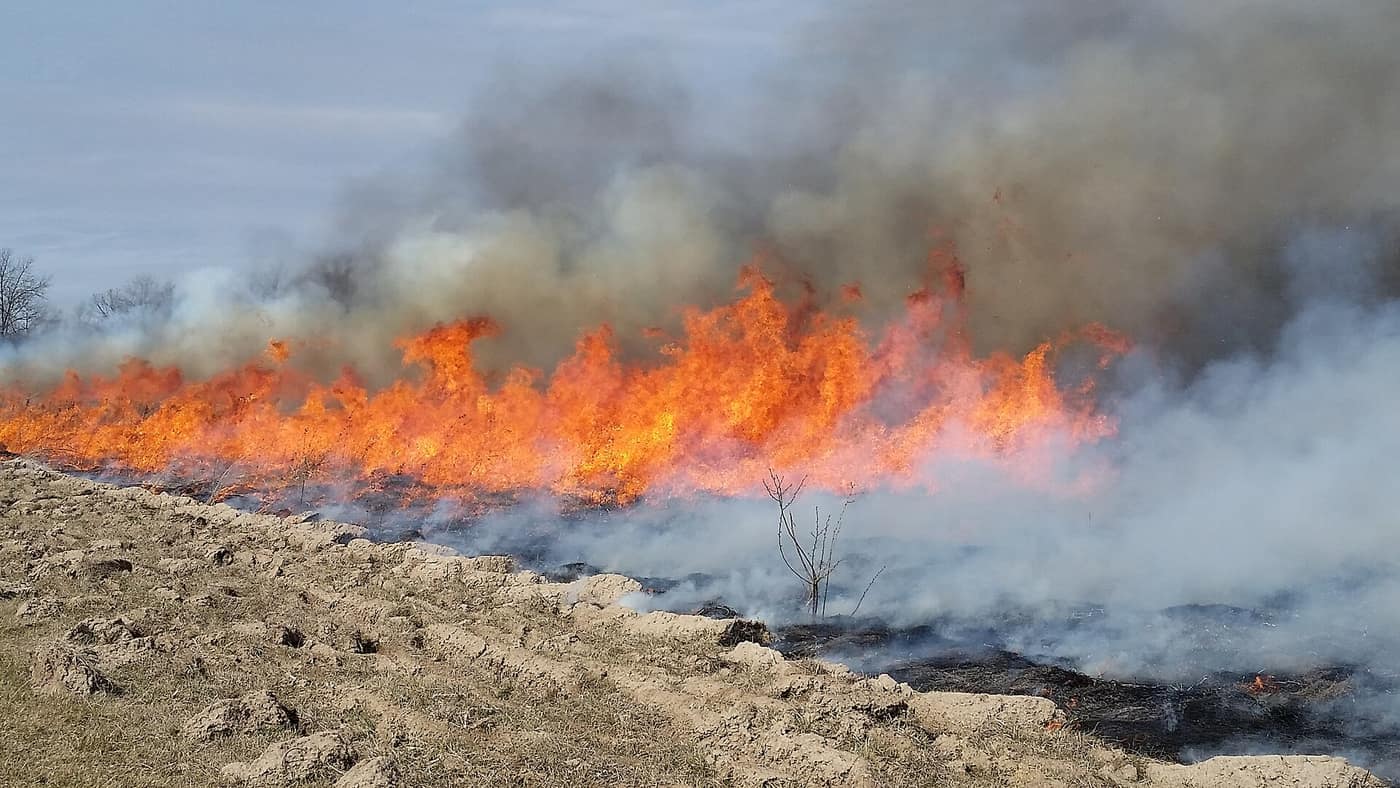
Late winter on the Highveld, a dry, gusty wind, and a column of smoke on the horizon that seems a little closer every time you look. In much of South Africa, veld fire is a yearly reality, not a rare disaster. Fires spread fast in dry, windy conditions, and the law puts real duties on landowners to prevent them.
Under the National Veld and Forest Fire Act 101 of 1998, owners whose land carries a veld fire risk must prepare and maintain firebreaks, be ready to fight fires, and must not light fires in the open air when a high fire danger warning is in force. This guide explains what that means in practice, how Fire Protection Associations and fire danger warnings work, and how to protect your home and family when a fire comes.
Quick answer: your duties at a glance
| If you… | You should… |
|---|---|
| Own or control land with a veld fire risk | Prepare and maintain firebreaks on your side of the boundary (section 12) |
| Want to burn a firebreak | Agree dates with neighbours and your FPA, or give at least 14 days’ written notice |
| See a high fire danger warning for your region | Light no fires in the open air at all, braais included (section 10) |
| Are responsible for land at risk | Have equipment, protective clothing and trained people to fight fires (section 17) |
| Aren’t in a Fire Protection Association | Know you’re presumed negligent in a civil claim until you prove otherwise (section 34) |
| Live on a suburban plot near veld | Clear a defensible space and have a fire plan |
The law in brief
| Section of Act 101 of 1998 | What it says (summarised) |
|---|---|
| Chapter 2 (sections 3–8) | Landowners may form Fire Protection Associations (FPAs) to predict, prevent, manage and fight veld fires in an area; FPAs are registered under section 4 |
| Section 9–10 | A national fire danger rating system. When the rating is high or extreme, a warning is published, and while it applies no one may light, use or maintain a fire in the open air in that region |
| Section 12 | Owners on whose land there’s a risk of veld fire must prepare and maintain firebreaks on their side of the boundary with adjoining land |
| Section 13 | Firebreaks must be wide and long enough to have a reasonable chance of stopping a fire, not cause soil erosion, and be reasonably free of inflammable material |
| Section 17 | Owners must have equipment, protective clothing and trained people to fight fires, as prescribed or as reasonably required, and arrange for responsible people to be present when they’re away |
| Section 34 | In a civil claim for veld fire damage, an owner who isn’t an FPA member is presumed negligent until they prove otherwise |
This is a summary, not legal advice. The Act has been amended and is backed by regulations, and your FPA or municipality may have extra rules. Read the Act on a reliable source such as acts.co.za or the Government Gazette, and speak to your local FPA or fire protection officer.
Firebreaks
Who must make them
Section 12 places the duty on every owner on whose land there’s a risk of a veld fire starting, burning or spreading. In practice this mostly affects farms, smallholdings, plots and other properties bordering veld, plantations or fynbos. The Minister can grant exemptions.
What a good firebreak looks like
The Act doesn’t set a single width. It says a firebreak must, given the local weather, climate, terrain and vegetation:
- be wide and long enough to give a reasonable chance of stopping a fire spreading to or from neighbouring land,
- not cause soil erosion, and
- be reasonably free of inflammable material that could carry a fire across it.
Your FPA’s rules may specify widths or methods for your area.
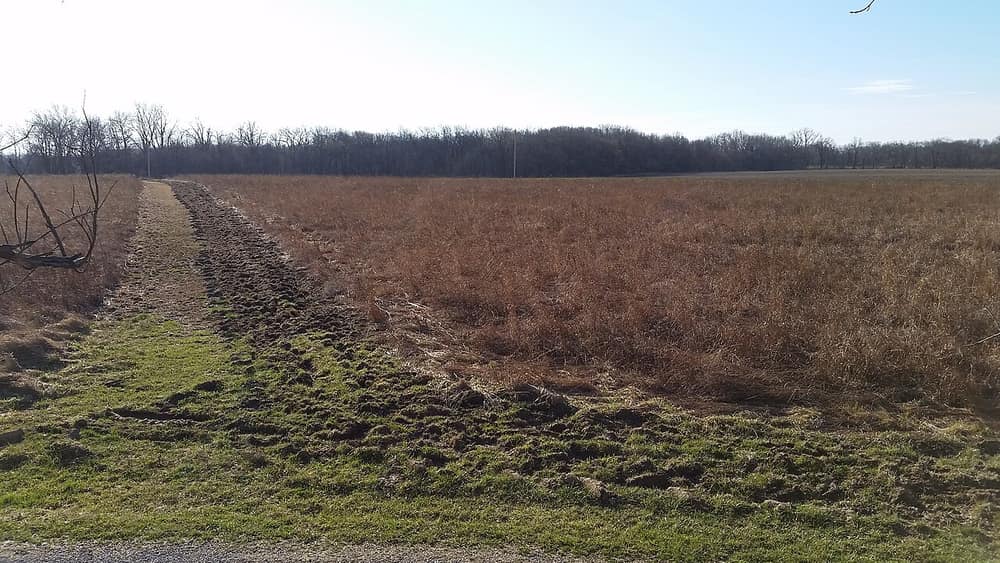
Firebreak methods compared
| Method | How it works | Watch out for |
|---|---|---|
| Burnt firebreak | A strip is burnt under controlled conditions | Must follow the notice and safety rules below; never in high fire danger |
| Mowed or slashed | Vegetation cut short and cleared | Needs repeating as grass regrows; remove cut material |
| Ploughed or graded | Bare soil strip | Erosion risk, especially on slopes |
| Herbicide | Vegetation killed off | Follow product labels and environmental rules |
Burning a firebreak: the notice rules
Section 12 sets out how to burn a firebreak on a boundary:
- Agree dates with your neighbours and tell your FPA if there is one. If you can’t agree, give neighbours at least 14 days’ written notice.
- Neighbours must take part: burn on the same day, or be present (or send someone), with enough people to stop the fire spreading.
- Don’t burn if the FPA objects, if a high fire danger warning has been published for the region, or if conditions make it dangerous.
- An FPA may have its own approved rules that replace some of these steps for members.
Check whether you also need a burning permit from your municipality or fire service. Many districts require one.
Fire Protection Associations
An FPA is a group of landowners (and often municipalities, state land managers and forestry companies) that works together on veld fire prevention and response in an area. Benefits of joining include:
- Coordinated burning of firebreaks with neighbours
- Shared equipment and information
- Fire danger alerts during the season
- Mutual help when a fire breaks out
- Legal protection: under section 34, members aren’t presumed negligent in a civil claim if a fire starts on or spreads from their land
Ask your local municipality or fire service which FPA covers your area.
Is FPA membership compulsory?
For most private owners, not yet: under the 1998 Act joining is voluntary, and the price of staying out is the section 34 presumption of negligence. Owners of state land are the exception and must join an FPA registered for their area, and municipalities face membership conditions too. The National Veld and Forest Fire Amendment Act 13 of 2023, published in April 2024, rewrites parts of the FPA rules, but it only takes effect on a date the President proclaims. Ask your FPA or fire protection officer whether it’s in force and what it means for your land.
The fire danger index
The Act’s fire danger rating system is put into practice through daily fire danger index (FDI) forecasts. The South African Weather Service (SAWS) and many municipalities show the FDI as a number with a colour band:
| FDI | Colour | What it means for you |
|---|---|---|
| 0–20 | Blue | Low danger. Burning is normally manageable with ordinary care |
| 21–45 | Green | Moderate. Burns can go ahead with caution and enough people |
| 46–60 | Yellow | Dangerous. Fires spread readily; many fire services advise against controlled burning above 45 |
| 61–75 | Orange | Very dangerous. No burning of any kind; be ready to act on your fire plan |
| Above 75 | Red | Extremely dangerous. Fires can spread too fast to control; expect fire bans |
These are the bands most commonly published, for example by the City of Cape Town and SANParks. Some sources draw the red line slightly differently or word the labels differently, so follow the warning text for your area. The legal ban on open-air fires applies once a high fire danger warning has been published for your region, whatever colour your app shows.
When a high or extreme warning applies:
- Don’t light any fire in the open air, including braais, rubbish fires and burns, in the affected area. This is a legal prohibition under section 10, not just advice.
- Postpone firebreak burns.
- Avoid sparks: welding, grinding and mowing in dry grass can start fires.
- Watch for smoke and be ready to act on your fire plan.
Check the SAWS forecasts and warnings and your FPA’s or municipality’s alerts during the fire season. In the summer-rainfall interior the main season is roughly June to October; in the winter-rainfall Western Cape it’s summer, covered next.
Western Cape fire season and the festive season
The Western Cape Government has long linked fire risk to December to April, but the season is starting earlier: recent seasons officially opened in November, and in August 2026 the province said it now plans for a fire season of about eight months, from October to May. Either way, that puts the peak right on top of the holidays: full campsites and holiday homes, braais every evening, and hot, dry south-easters fanning anything that gets away.
Who to call
| Where | Number |
|---|---|
| Any emergency, from a cellphone | 112 |
| Ambulance and emergencies, national number | 10177 |
| City of Cape Town emergency centre | 021 480 7700 from a cellphone, 107 from a landline |
| Overberg District | 028 425 1690 |
| Garden Route (Eden) District | 044 805 5071 |
Report smoke early, even if the fire looks small. Elsewhere, look up your local or district municipality’s fire number and your FPA’s number before December, and save them in your phone.
Before you leave on holiday, and before you braai
- Use only designated braai spots in parks, resorts and campsites, and check the day’s rules: many ban fires on high-danger days.
- Ask the neighbours or a caretaker to keep an eye on your plot, and leave gutters, firebreaks and the area around the house clean before you go.
- Pack a go-bag for each person: ID copies, medication, chargers and a power bank, water, a torch, sturdy shoes and cotton or wool clothing (synthetics can melt), plus pet food and leads. Keep it by the door until autumn.
Protecting your home
Even on a suburban plot near veld, you can make your home much harder to burn. Work from the house outwards, and run through our home fire safety checklist for the indoor side:
Right next to the house
- Clean gutters and roofs of dry leaves and pine needles.
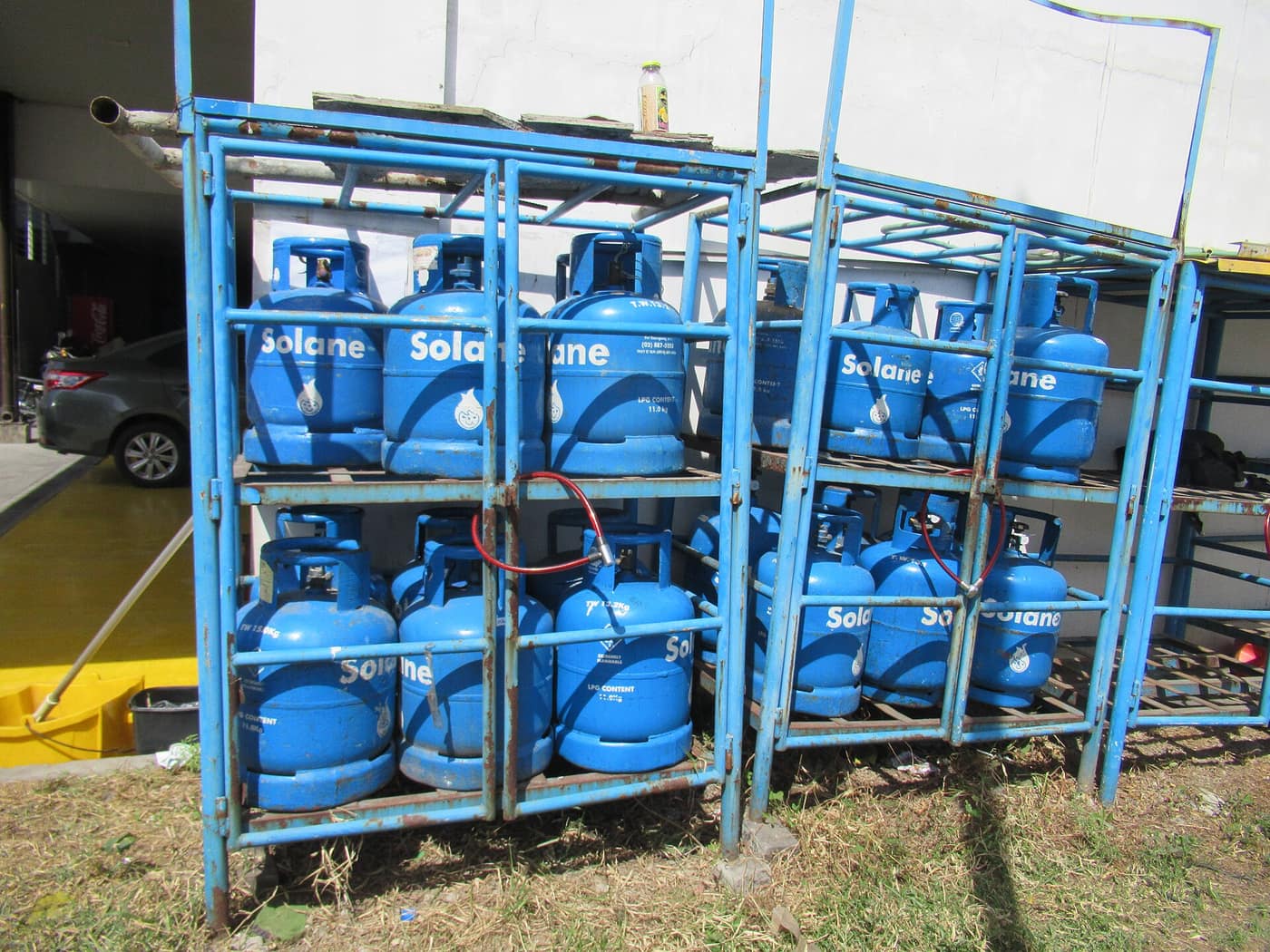
- Move woodpiles, gas cylinders and fuel away from the house. See our best braai wood guide for storing wood sensibly.
- Thatch roofs need special attention; ask your insurer and a thatch specialist about fire retardants and lightning protection.
- Prune trees so branches don’t overhang the roof.
Around the property
- Clear a defensible space around buildings: keep grass short and remove dead plants, leaves and branches, especially close to the house.
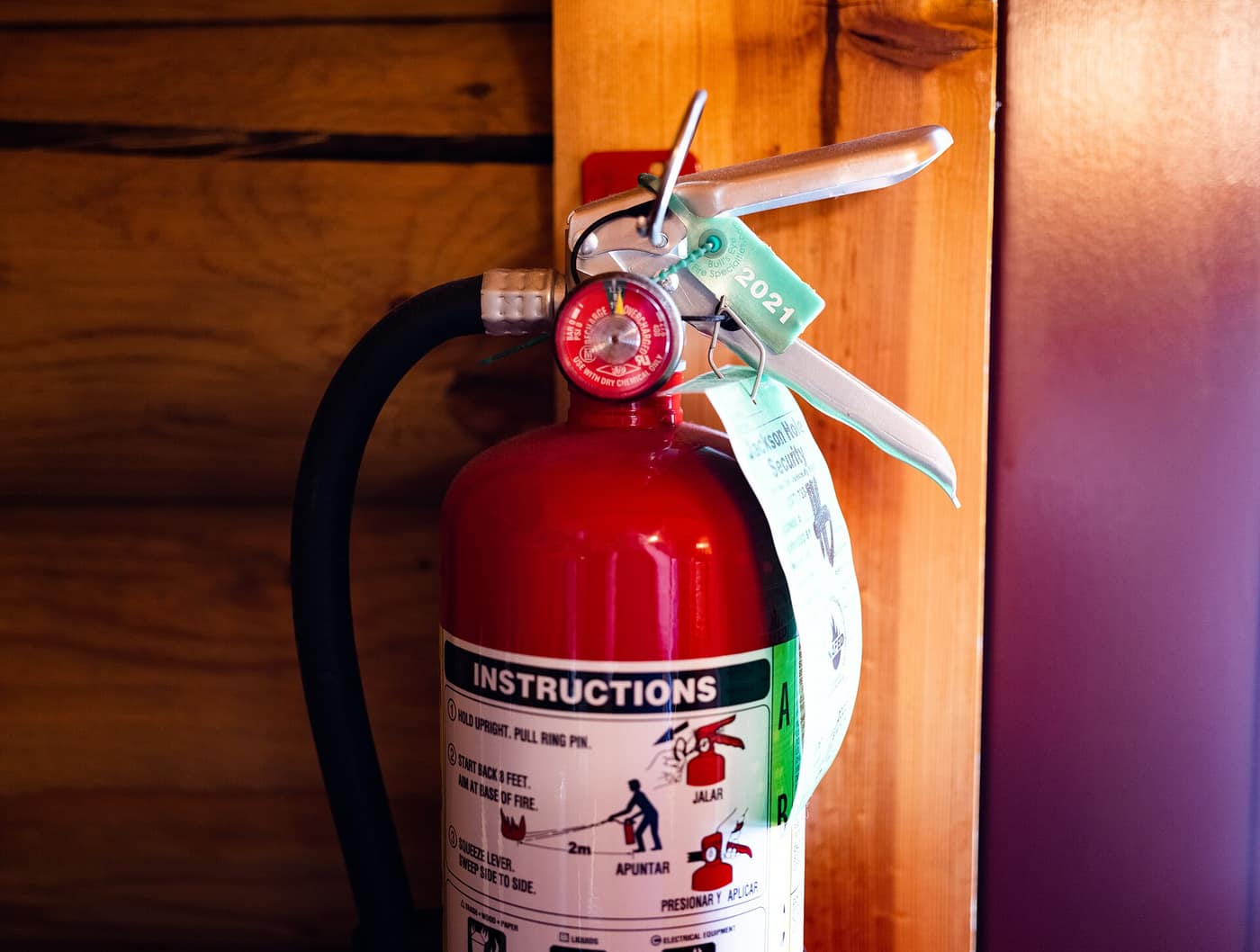
- Keep hoses, a water supply and a fire extinguisher ready, and check that your pump works without electricity during outages.
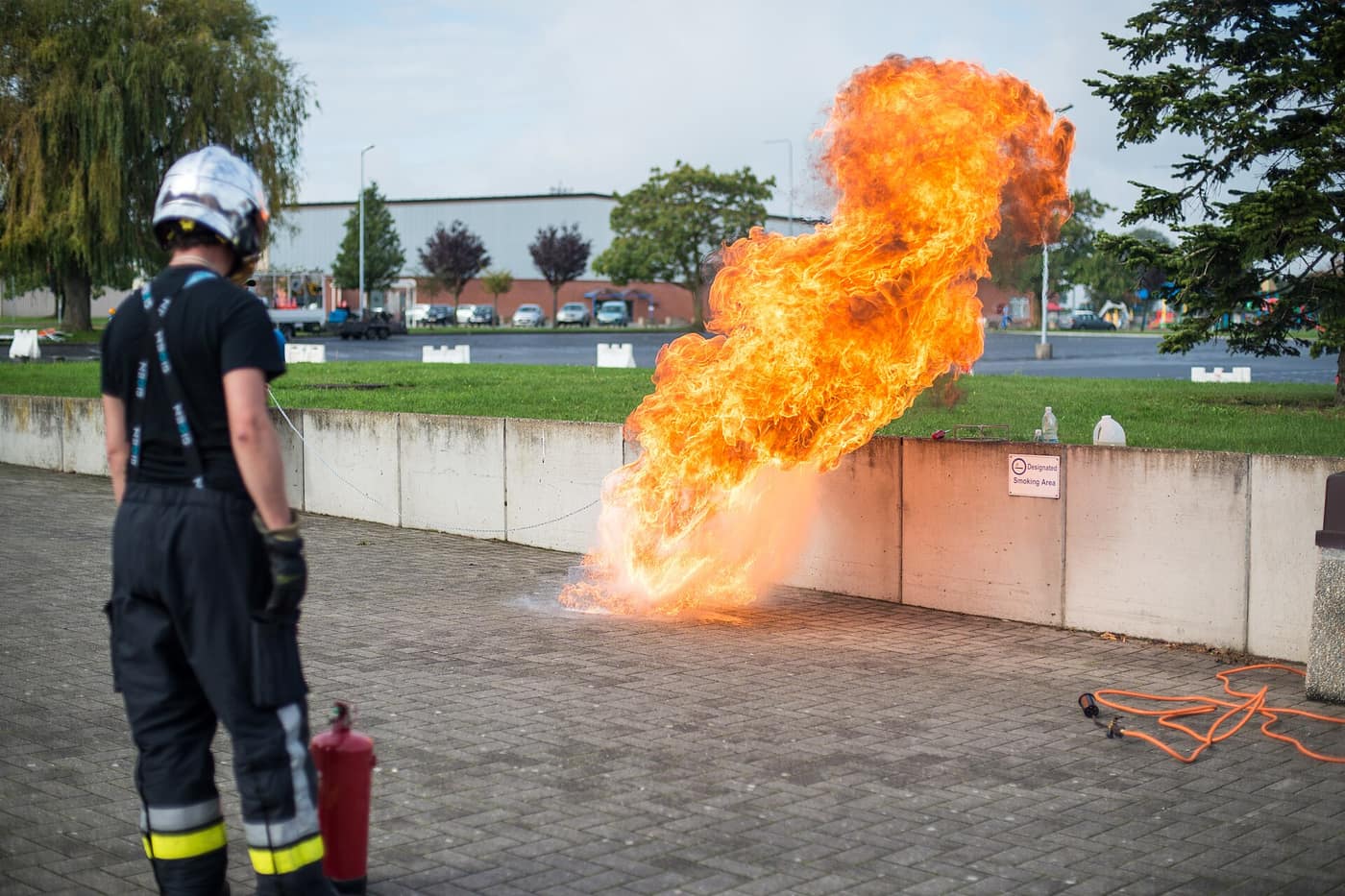
- Make your fire pit or braai safe: build it on bare ground or paving, away from grass, and never leave it burning. See our fire pit guide and how to make a braai fire, and douse coals completely when you’re done. Away from home, our camping braai guide covers fire rules in parks and campsites.
- Never throw cigarette butts onto verges or out of car windows.
Water and kit worth having
An extinguisher won’t stop a veld fire front, and you shouldn’t try. What water on hand does is let you deal with a small spot fire from a blown ember or a braai that got away, early, while you still have a safe exit. Water suits burning grass and wood; keep powder for fires involving fuel or electrics (our guide to fire extinguisher types explains the difference).

Arbor Safety Co
9l Water Fire Extinguisher
Water is the right agent for burning grass, wood and other Class A materials, and the hose and horn reach several metres. A sensible unit for the stoep, shed or bakkie during the dry season.
- 9 litres of water
- Class A fires (wood, paper, straw, textiles)
- Effective range 3–12 m
- Hose and horn nozzle
- Right agent for vegetation fires
- Long reach keeps you back from the flames
- Not for electrical fires
- Heavy: about 12.9 kg when full

Arbor Safety Co
Fire Hose Reel (Swing Type)
A wall-mounted reel with 30 m of hose that swings away from the wall, for a farmhouse, shed or outbuilding with a reliable water supply. More reach and water than any extinguisher.
- 30 m hose
- Swing-away wall bracket
- SANS 543 reel with SANS 1086 hose
- Nozzle and hose guide included
- Far more water than a portable extinguisher
- Always connected and ready
- Needs installing on a water supply
- Only as good as your water pressure, so plan for outages
Prices change often; check the retailer for the current price and stock. We may earn a commission if you buy through these links, at no extra cost to you. Star ratings are the store's own customer reviews, shown once a product has at least 3. How we choose products.
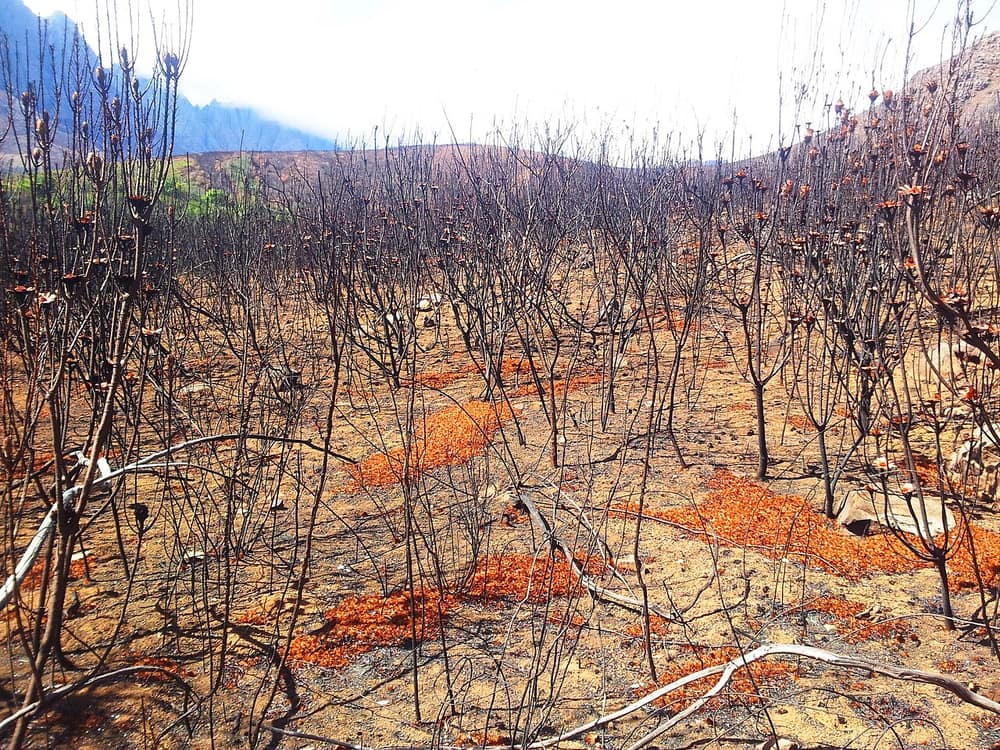
If a veld fire is coming
- Call for help early. From a cellphone, dial 112; from a landline, 10177. Save your local municipal fire number and your FPA’s number before the season starts.
- Leave early if told to, or if you feel unsafe. Smoke, heat and fast-moving fire fronts kill. Don’t wait until roads are blocked.
- If there’s time before the fire arrives, wet the garden and the side of the house facing the fire, plug the downpipes and fill the gutters with water, close all windows and doors, and put wet towels along the gaps to keep out embers and smoke. Move curtains and furniture away from windows, and turn off gas cylinders and move them away from the house if you can do so safely.
- If you’re staying because evacuation is no longer safe, go inside a solid building and stay away from windows. Once the front has passed, check the house, including the roof space, for embers and small fires.
- Never try to outrun a fire uphill or drive into smoke.
- Alert your neighbours and your FPA.
- Only fight small spot fires that you can put out safely with an exit behind you. Leave the main fire to firefighters.
FAQ
Is it compulsory to have a firebreak in South Africa?
Under section 12 of the National Veld and Forest Fire Act 101 of 1998, every owner on whose land there’s a risk of veld fire starting, burning or spreading must prepare and maintain firebreaks on their side of the boundary with adjoining land, unless they’ve been exempted.
How wide must a firebreak be?
The Act doesn’t set a fixed width. It must be wide and long enough to give a reasonable chance of stopping a fire, given local weather, terrain and vegetation, and be reasonably free of flammable material. Your FPA may set specific requirements.
Can I braai when there’s a high fire danger warning?
No. Once a high or extreme fire danger warning has been published for your region, section 10 of the Act prohibits lighting, using or maintaining a fire in the open air there.
What is a Fire Protection Association?
A registered group of landowners and other land managers who work together to prevent and fight veld fires in an area. Members aren’t presumed negligent under section 34 of the Act if a fire spreads from their land.
How much notice must I give before burning a firebreak?
Agree dates with your neighbours and your FPA where possible. If you can’t agree, section 12 requires at least 14 days’ written notice to neighbours, and you may also need a burning permit from your municipality or fire service.
Who do I call to report a veld fire in the Western Cape?
Dial 112 from a cellphone or 10177 from a landline. In Cape Town, the City’s emergency centre is on 021 480 7700 from a cellphone or 107 from a landline; elsewhere, save your district municipality’s fire number and your FPA’s number before the season starts.

Nadia Pillay
Home fire safety writer
Writes our home fire safety guides, built on SANS standards, SAQCC rules and fire service advice.
More from Nadia →