We're independent: products are chosen on merit and prices come from the retailers' own sites. We may earn a commission if you buy through our links. Learn more.
Key takeaways
- Two or three firelighters start a wood braai; one or two under a chimney starter are enough for charcoal or briquettes.
- Classic paraffin-wax blocks are the cheapest per fire and the most forgiving in wind. Wood-wool firelighters cost more per piece but smell far less.
- Let firelighters burn out completely and the coals ash over before any meat goes on, or you risk a paraffin taste.
- Never use petrol, and never squirt lighter fluid or gel onto a fire that is lit or still warm: the flame can flash back to the bottle.
- No firelighters? Newspaper, dry kindling and a little patience light a wood fire, and a chimney starter needs only newspaper.
The firelighter is the cheapest thing at most braais and the one that decides how the next hour goes. Too few and you’re on your knees blowing at a smoking pile of wood. Too many, or the wrong kind, and the chops taste faintly of paraffin.
This guide covers the main firelighter types sold in South Africa, which one to use for wood, charcoal and indoor fireplaces, how many you actually need, and how to light a braai when you’ve run out. It also covers safe homemade firelighters and the safety mistakes that cause serious burns.
Firelighters at a glance
| Type | Lights | Smell | Cost per fire | Best for |
|---|---|---|---|---|
| Paraffin-wax blocks (the classic Blitz-style block) | Very easily, even when damp | Noticeable paraffin smell | Lowest | Wood braais, windy days, camping |
| Wood-wool / eco firelighters | Easily | Little or none | Higher | Chimney starters, fireplaces, anyone who hates the smell |
| Gel and liquid starters | Instantly | Some, depending on product | Mid-range | Charcoal piles, when nothing else is available |
| Chimney starter (an alternative, not a firelighter) | Needs one or two firelighters or newspaper | None of its own | Once-off buy | Charcoal and briquettes |
| Newspaper and kindling | Needs skill and dry wood | None | Almost free | Wood fires, when you’ve run out |
Quick answer: paraffin blocks are the cheapest and most reliable way to start a wood braai. If the smell bothers you, or you’re lighting a fireplace indoors, pay a bit more for wood-wool firelighters. For charcoal, a chimney starter with one or two of either type beats every other method.
The main types of firelighter
Paraffin-wax blocks
These are the white or off-white blocks sold in slabs that you snap into cubes. Blitz is one of the best-known names, and supermarkets and garages carry several other brands and house brands. They’re generally made from paraffin wax and other petroleum-based ingredients, so check the pack if you want to know exactly what’s inside.
They light at the first touch of a flame, keep burning in a breeze and don’t mind a bit of damp, which is why they’re still the default at most South African braais. The downside is the smell while they burn, and the fact that they’re fossil-fuel based.
Wood-wool and other eco firelighters
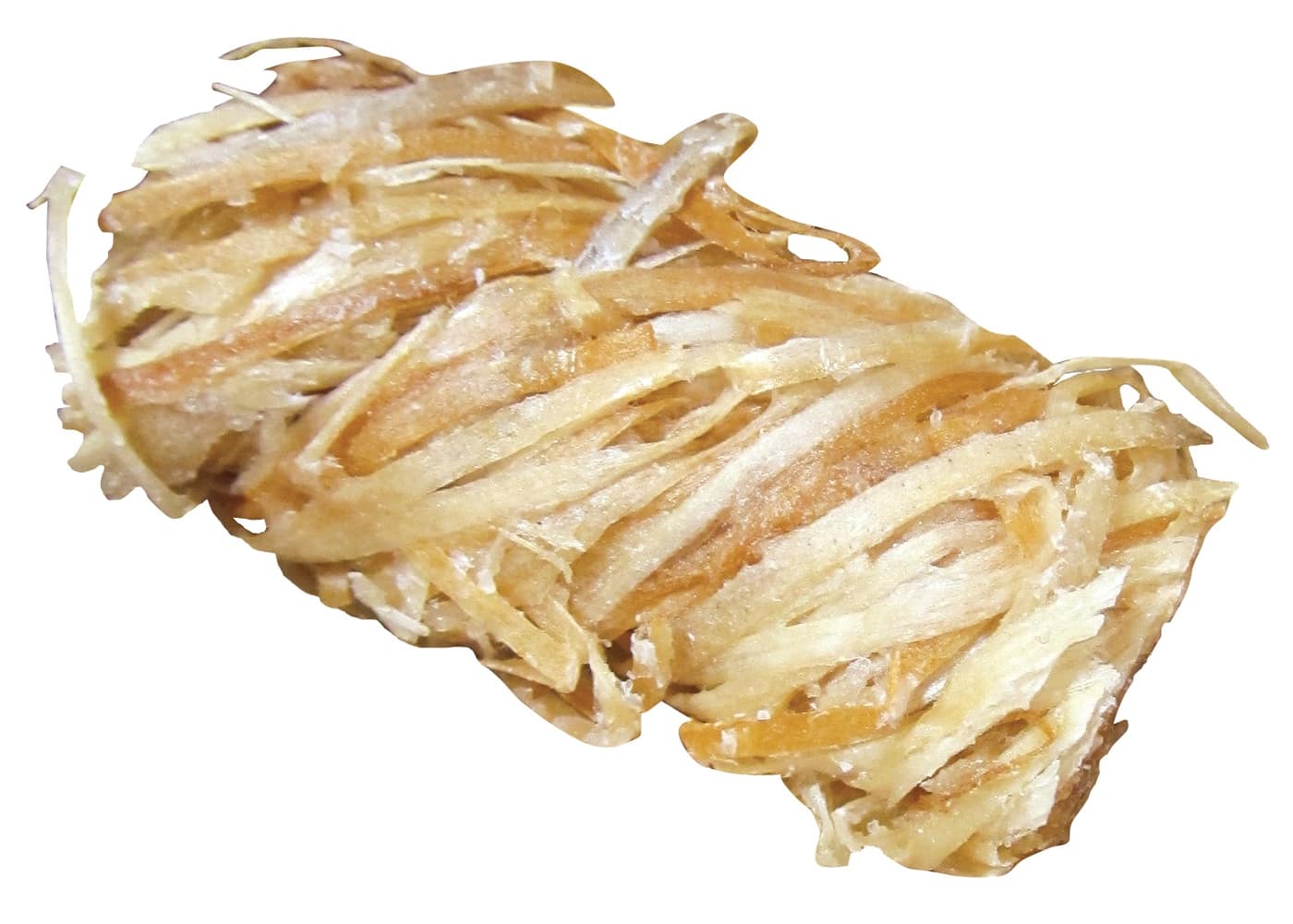
Wood-wool firelighters are little twisted bundles of wood shavings coated in wax. Other “natural” or eco firelighters use wood chips, sawdust, recycled coffee grounds or vegetable wax. Several are made locally, and the big supermarkets now stock eco packs next to the paraffin blocks.
They burn cleanly with very little smell, and they’re pleasant to handle. On supermarket shelves they usually cost more per piece than paraffin blocks.
Gel and liquid starters
Braai starter gels (usually thickened alcohol such as ethanol) and liquid lighter fluids are squeezed or poured onto cold charcoal, then lit. They work fast, but they’re the type most often misused, and liquid lighter fluid can leave a taste on food if the coals aren’t fully ashed before you cook.
Use them only on fuel that has never been lit. Once there’s any flame or heat, put the bottle away.
Chimney starter: the firelighter’s best friend
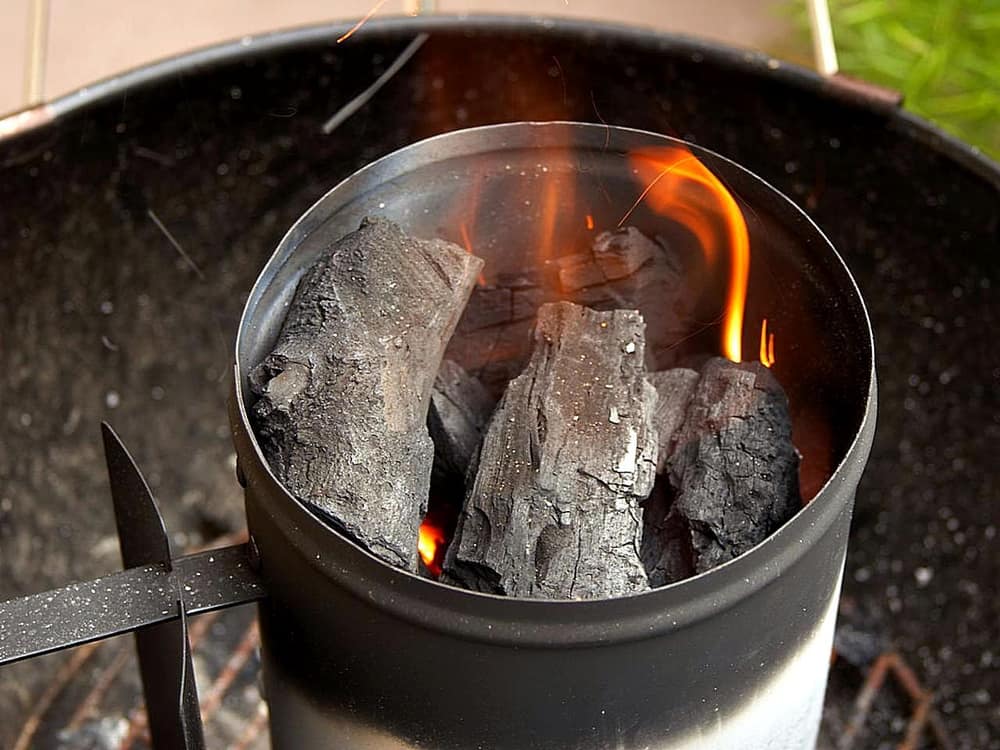
A chimney starter is a steel cylinder with a grate and a handle. Charcoal goes in the top, one or two firelighters (or two sheets of crumpled newspaper) go underneath, and the chimney draws the flame up through the coals. It doesn’t replace firelighters, but it cuts the number you need and usually gets charcoal or briquettes ready in about 15 to 30 minutes, with briquettes and cold or windy days at the slower end. Our charcoal and briquettes guide covers the method step by step.
Which firelighter for which fire?
| Fire | Best choice | Why |
|---|---|---|
| Wood braai | Paraffin blocks or wood-wool | Either works; blocks are cheaper and more forgiving with damp wood |
| Charcoal or briquettes in a chimney | Wood-wool or paraffin blocks | Only one or two needed, so the extra cost of eco ones barely matters |
| Charcoal pyramid (no chimney) | Paraffin blocks | They burn long enough to catch a pile of charcoal |
| Closed-combustion fireplace or indoor hearth | Wood-wool or other low-smell firelighters | Less smell in the house; follow the stove maker’s instructions |
| Kettle braai with food going on soon | Wood-wool | Less risk of a paraffin taste |
| Camping and windy beach braais | Paraffin blocks | Most wind-resistant and they tolerate damp |
Fireplaces and closed-combustion stoves
Indoors, smell matters more and the fire burns in a closed space, so low-smell firelighters and dry kindling are the gentler choice. Check your stove’s manual first: some makers say what you should and shouldn’t use to light it, and many say to open the air controls fully while the fire gets going. Never use liquid lighter fluid, gel or anything poured in an indoor fireplace or stove. Our closed-combustion fireplace guide covers how these stoves work.
How many firelighters to use
| Fire | Firelighters |
|---|---|
| Wood braai (teepee or log cabin) | 2–3 |
| Chimney starter, charcoal or briquettes | 1–2 |
| Charcoal pyramid without a chimney | 2–3 |
| Indoor fireplace or stove | 1–2 |
| Wet wood, cold or windy day | Add one more |
If you need more than three or four, the problem is almost never the firelighters. It’s wet wood, logs that are too thick to catch, or a stack so tight that no air gets in. Build the fire with gaps and small kindling first, as described in how to make a braai fire, and dry wood from our braai wood guide will do the rest.
How to start a braai fire without firelighters
Run out halfway through a Saturday? You don’t need a trip to the garage.
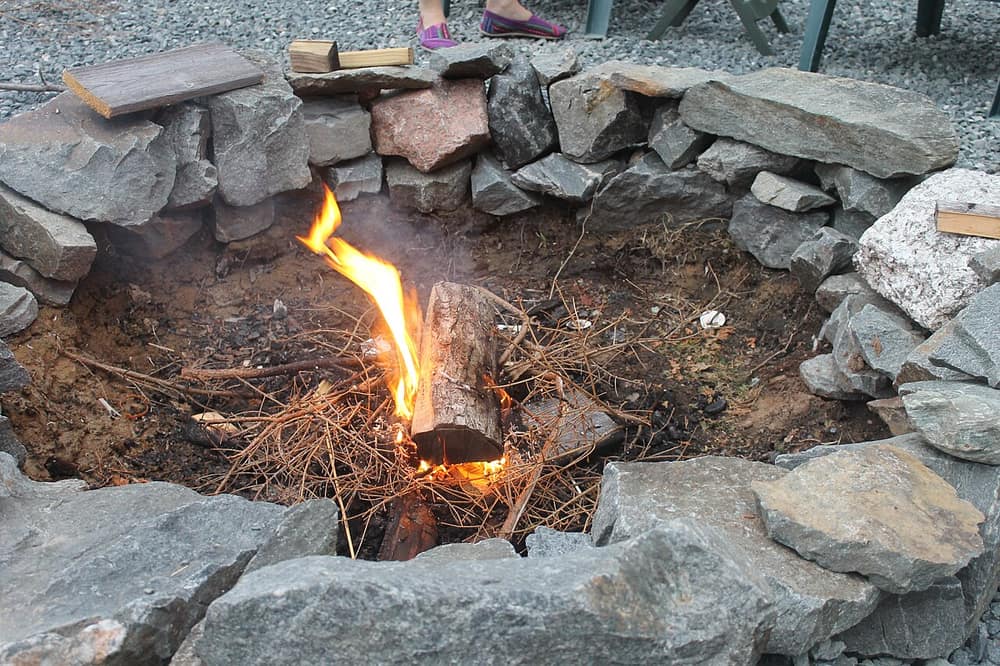
Newspaper and kindling
- Twist the paper. Roll three or four sheets of newspaper diagonally into loose logs and tie each one in a knot. Twisted paper burns longer than a crumpled ball.
- Add tinder on top. Dry twigs, thin splinters of braai wood or a handful of dry pine needles.
- Build the kindling. Stack finger-thick and then thumb-thick sticks in a small teepee over the paper, with gaps for air.
- Light from the windward side and let the kindling catch well before you add your proper braai wood, a few pieces at a time.
Use plain newsprint. Glossy magazine pages and printed cardboard burn badly and leave more ash.
Natural fire starters
- Pine cones: dry ones catch easily and burn for a few minutes. Pine is fine as a starter, just don’t cook over it.
- Dry mielie cobs and husks: they catch well and burn long enough to light kindling.
- Feather sticks: shave thin curls along a dry stick with a knife, leaving them attached. They light far more easily than a plain stick.
- Dry grass and bark: useful in the bush, but they burn out fast, so have kindling ready.
A chimney starter with newspaper only
Put two sheets of crumpled newspaper in the bottom of the chimney, fill it with charcoal and light the paper from below. If the paper burns out before the charcoal catches, add one more sheet and try again. Lump charcoal catches more easily this way than briquettes.
A butane torch
A handheld butane torch can light lump charcoal or a kindling stack directly. It’s quick, but use it outdoors only, keep the canister away from the heat, and store it out of children’s reach.
How to make firelighters at home (safely)
The classic homemade firelighter is a cardboard egg box, sawdust and old candle wax. It’s a good use for candle stubs, and it works.
- Use a cardboard egg box, never a foam or plastic one.
- Fill each cup with dry sawdust, wood shavings or natural-fibre dryer lint. Lint from synthetic fabrics can give off unpleasant fumes when it burns.
- Melt the wax in a double boiler. Put the candle stubs in an old tin, stand the tin in a pot of simmering water, and let the wax melt gently. Never melt wax in a pot directly on a plate or over a flame.
- Pour slowly until the filling in each cup is soaked and covered.
- Let it set, then cut or tear the cups apart and store them in a closed tin.
Safety: the rules that matter
- Never use petrol. Petrol vapour can ignite explosively, well beyond the visible fuel.
- Never add fuel to a lit or warm fire. That means lighter fluid, gel, paraffin or anything else poured or squeezed. The flame can flash back up the stream into the bottle, which can then burst and spray burning fuel. If the fire is struggling, add a firelighter or kindling instead.
- Store firelighters like any flammable product: in their sealed pack or a closed tin, somewhere cool, away from the braai, the stove and the geyser cupboard, and out of reach of children and pets.
- If a child swallows or chews a firelighter, call the Poisons Information Helpline on 0861 555 777 (24 hours) or get medical help straight away.
- Wait before you cook. Firelighters should be burnt out and the coals covered in grey ash before any meat goes on. That’s when the smell and taste risk is gone.
- Keep water, a hose or a fire blanket nearby, and see our fire extinguisher guide if you braai often.
Where to buy firelighters, and what they cost
Firelighters themselves are a supermarket, garage and hardware-store item: Checkers, Shoprite, Pick n Pay, Makro, farm co-ops and many filling stations stock them, usually next to the charcoal and matches. We don’t list them as product cards because none of the braai shops we track had them in stock online when we checked.
As a rough guide to price, paraffin blocks are the cheapest per fire, eco and wood-wool firelighters cost noticeably more per piece, and a chimney starter is a once-off buy that pays for itself by cutting how many firelighters you use. Buy the bigger packs if you braai every weekend.
Lighters worth keeping at the braai
A long lighter keeps your hand away from the flame when you light a firelighter under a log stack or a chimney starter. These were in stock when we checked: the Megamaster lighter costs around R55 at Megamaster (Nov 2026), and Alva’s flexible lighter around R65 at Alva (Nov 2026). For the rest of the kit, see our braai tools guide.

Alva
Flexi Turbo Gas Lighter
The bendy nozzle reaches a firelighter tucked under a log stack or deep inside a fireplace without putting your hand near the flame. A turbo flame copes better with a breeze than a match.
- Flexible, elongated nozzle
- Refillable
- Safety lock
- Bends to reach under a chimney starter or log cabin
- Built-in safety lock helps prevent accidental ignition
- Still needs refilling with lighter gas, sold separately

Megamaster
Megamaster Braai Lighter with Refill
A plain braai lighter that comes with its own gas refill, so the one at the braai doesn't run dry on a Saturday afternoon.
- Refillable
- Includes 19 ml gas refill
- Comfortable, secure grip
- Refill in the box
- Cheapest lighter here
- No flexible nozzle listed for reaching awkward spots

ALVA
Multi-Purpose Butane Canister Torch With Stand
A butane torch puts a hot, focused flame straight onto charcoal or kindling, which gets a fire going without any firelighter at all. It also sears steak and caramelises dessert.
- Adjustable flame
- Fits Alva butane canisters
- Stabilising stand
- Canister sold separately
- Lights lump charcoal directly
- Useful in the kitchen too
- Costs more than a lighter and needs canisters
- A powerful flame: keep it well away from children
Prices change often; check the retailer for the current price and stock. We may earn a commission if you buy through these links, at no extra cost to you. Star ratings are the store's own customer reviews, shown once a product has at least 3. How we choose products.
FAQ
How many firelighters do I need for a braai?
Two or three for a wood fire, and one or two under a chimney starter for charcoal or briquettes. If you need more, your wood is probably wet or packed too tightly.
Are eco firelighters as good as Blitz-style blocks?
They light just as easily and smell far less, but they cost more per piece. Paraffin blocks are a little more forgiving with damp wood and in strong wind.
How do I start a fire without firelighters?
Use twisted newspaper under dry twigs and kindling, then add braai wood once the kindling is burning well. For charcoal, a chimney starter lights with just two sheets of newspaper.
Do firelighters make food taste bad?
They can if you cook too soon. Wait until the firelighters have burnt out and the coals are covered in grey ash before putting meat on the grid.
Can I use firelighters in a closed-combustion fireplace?
Usually yes, but check the manufacturer’s manual first. Low-smell wood-wool firelighters with dry kindling are a good choice indoors, and never use liquid or gel fuel in an indoor fireplace.
Is it safe to make my own firelighters?
Yes, if you melt the wax gently in a double boiler, use cardboard egg boxes with sawdust, and never use petrol, paraffin liquid or other volatile fuels. Never put water on a wax fire.

Johan Botha
Braai & outdoor editor
Writes our braai, fire pit and pizza oven guides. Firmly in the wood-fire camp, but owns up to a gas braai for weeknights.
More from Johan →