We're independent: products are chosen on merit and prices come from the retailers' own sites. We may earn a commission if you buy through our links. Learn more.
Key takeaways
- Want real heat all winter? Choose closed combustion or a gas fireplace. An open fireplace is mostly about ambience.
- Closed combustion, gas and bioethanol fireplaces keep working through load shedding; electric flame-effect fires don't.
- Size a fireplace to the room, ceiling height and windows, not just the floor area. A Highveld lounge needs more than a coastal one.
- New fireplaces and chimneys fall under Part V of the National Building Regulations (SANS 10400-V), so check with your municipality first.
- Any gas fireplace piped from outside cylinders needs a registered gas installer and a Certificate of Conformity (CoC).
The first cold Highveld evening in May is when most South Africans start looking hard at their lounge and wondering where a fireplace would go. The trouble is that “fireplace” covers everything from a brick hearth that warms your shins to a sealed stove that heats the whole open-plan living area.
The right fireplace depends on one question: do you want to heat your home, or mainly enjoy the flames? This guide compares the types of fireplaces sold in South Africa, how built-in and freestanding units differ, how to size one, and what to sort out with your municipality and installer before anyone picks up a drill.
Types of fireplaces at a glance
| Type | Fuel | Heating ability | Chimney or flue? | Installed by | Price band |
|---|---|---|---|---|---|
| Open fireplace (traditional) | Wood | Low: mostly ambience | Yes, masonry chimney | Builder | Entry to mid (if built new) |
| Open fireplace with convection firebox | Wood | Better than a plain open fire | Yes | Builder or fireplace installer | Mid |
| Closed combustion (slow combustion) | Wood | High, efficient | Yes, steel flue | Fireplace installer | Mid to premium |
| Gas, flued | LPG | Good, instant | Yes, flue or balanced flue | Registered gas installer | Mid to premium |
| Gas, vent-free (flueless) | LPG | Good, instant | No, but strict ventilation rules | Registered gas installer | Mid to premium |
| Bioethanol | Bioethanol fuel | Low to moderate | No | None or minimal | Entry to mid |
| Electric flame effect | Electricity | Low to moderate | No | Plug in | Entry to mid |
Quick answer: for a main living area you heat most winter evenings, a closed combustion wood fireplace or a gas fireplace is the sensible choice. Go open if the fire is for atmosphere, and bioethanol or electric if you have no chimney and no way to add one.
Open fireplaces
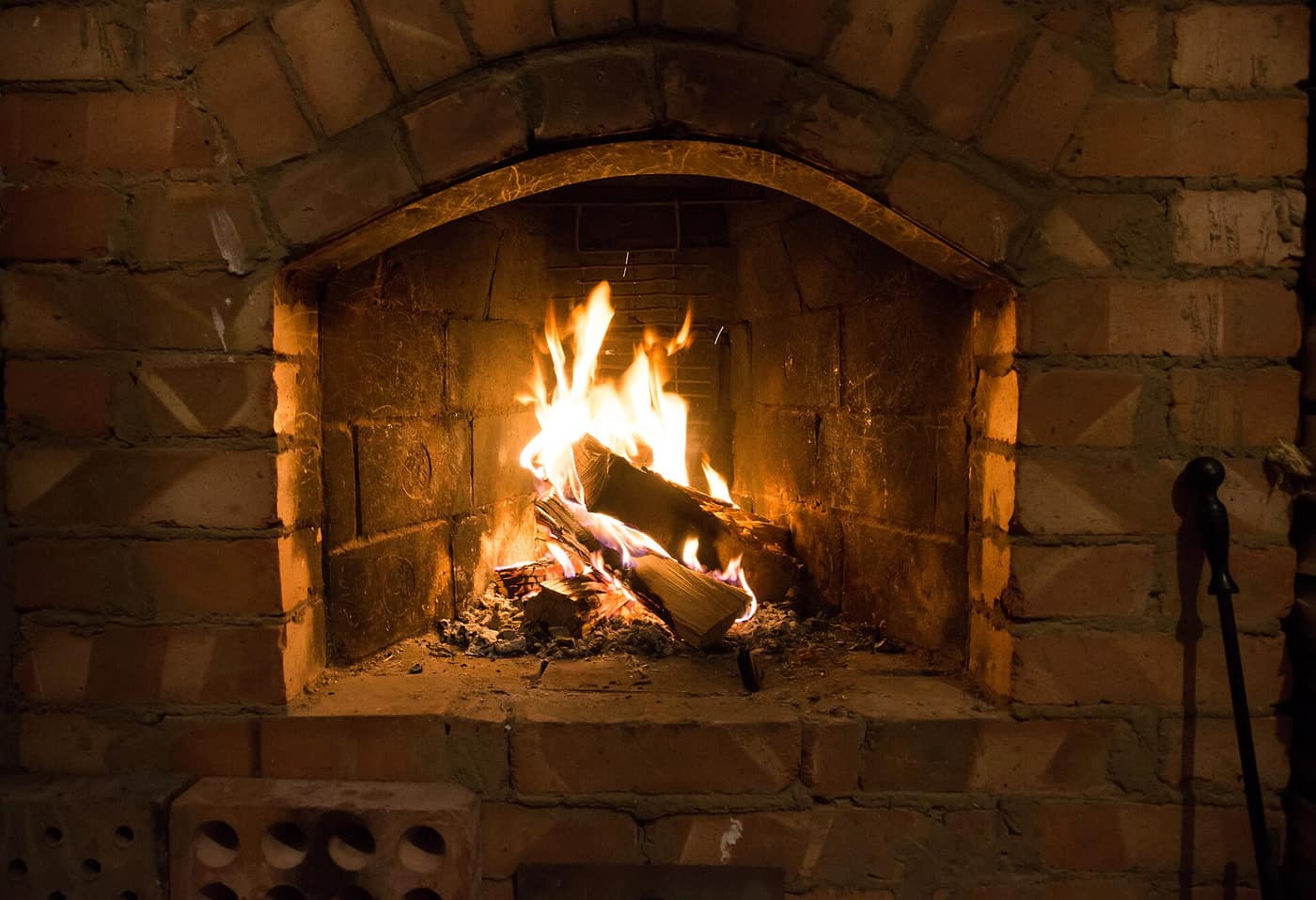
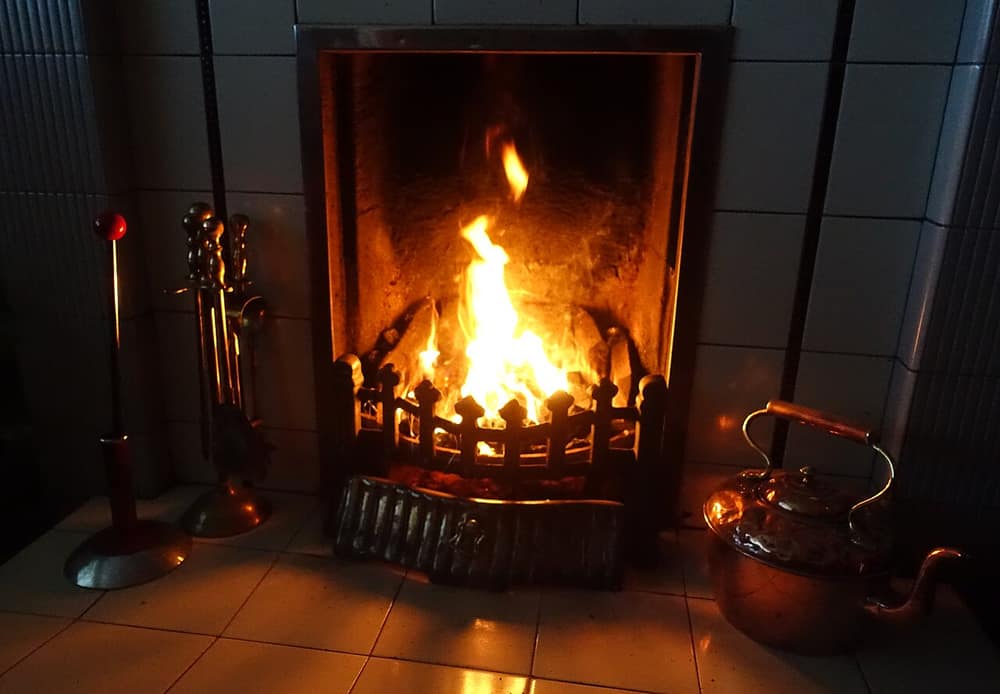
The classic brick fireplace with an open hearth and a masonry chimney. Nothing beats the crackle and the smell, but an open fire draws a lot of warm room air up the chimney along with the smoke. Commonly quoted efficiency figures for traditional open fireplaces are low, roughly in the 10–30% range depending on the source. That’s why an open fire warms the people sitting in front of it far more than it warms the room.
You can improve an existing open fireplace in two ways:
- A convection firebox: a steel box with air channels that push warm air back into the room.
- A closed combustion insert: converts the opening into a sealed unit with a steel flue liner.
Closed combustion fireplaces
A closed combustion (often called slow combustion) fireplace burns wood in a sealed firebox behind a glass door. Air controls let you slow the burn, so a load of wood lasts much longer and far more heat stays in the room. Manufacturers commonly quote efficiencies of 60% or more, which makes these the most effective wood-burning heaters for a main living area.
They come as freestanding stoves or built-in units, and you still see the flames through the glass. Our closed combustion fireplace guide covers how they work, sizing and flues in detail.
Gas fireplaces
A gas fireplace gives you a real flame at the turn of a knob, with no wood to stack and no ash to empty. Most South African gas fireplaces run on LPG from cylinders outside the house, piped in by a registered gas installer.
- Flued models vent combustion gases outside through a chimney, flue pipe or wall vent.
- Vent-free (flueless) models release them into the room, and depend on a minimum room size and permanent ventilation.
Our gas fireplace guide explains flued vs vent-free, the CoC and how to work out running costs.
Bioethanol and electric fireplaces
Bioethanol fireplaces burn liquid alcohol fuel in a burner tray. They need no chimney and suit flats and townhouses, but they’re mostly decorative: heat output is modest and fuel costs add up if you burn them often.
Electric fireplaces give a flame effect and a fan heater. They’re plug-and-play, but they won’t work in load shedding, which rules them out as a main heater for many homes.
Built-in vs freestanding
| Built-in | Freestanding | Insert | Double-sided | |
|---|---|---|---|---|
| Where it goes | In a wall, chimney breast or custom cladding | On a non-combustible hearth, flue through ceiling or wall | Into an existing open fireplace | Between two rooms |
| Look | Integrated, seamless | A feature in the room | Keeps your existing surround | Fire visible from both sides |
| Heat | Mostly from the front | Radiates from all sides | From the front | Heats two spaces |
| Retrofit | More building work | Often the simplest | Simple if the chimney is sound | Most involved |
Built-in units look clean but are harder to change later. Freestanding stoves are often the easiest way to add a fireplace to an existing home, and a corner placement saves wall space in a small lounge.
How to choose a fireplace
- Decide the job. Heating a main living area every winter evening, or occasional ambience? For serious heating, look at closed combustion or gas.
- Size it to the space. Fireplaces are rated in kW and usually quoted for a heating area. A Highveld home with high ceilings and big windows needs more heat than a well-insulated coastal home of the same size. Ask the supplier to size it for your room, not just the floor area. Our heater size calculator gives you a starting point.
- Consider fuel. Do you have space to keep wood dry? Would you rather swap gas cylinders? Our braai wood guide covers which local hardwoods burn best.
- Check the structure. Where will the flue go? Is there a thatch roof, which needs special precautions? Is the floor strong enough for a heavy stove?
- Check estate or body corporate rules before you buy, not after.
Chimney and flue basics
- The chimney or flue must be the right diameter and height for the fireplace, or it won’t draw and smoke will come back into the room.
- It must end high enough above the roof to clear turbulence, with the required distances from combustible materials such as timber and thatch.
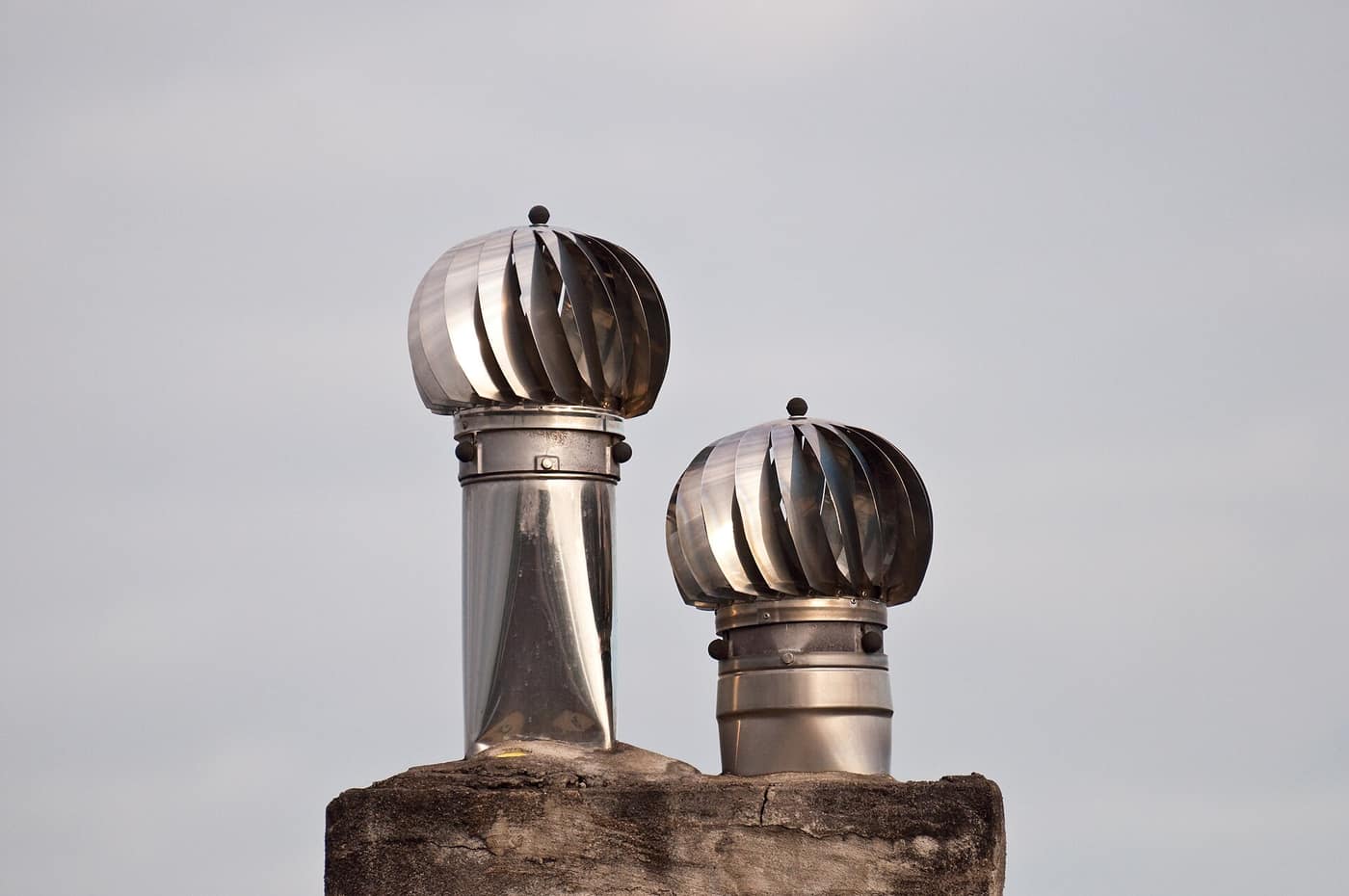
- A cowl on top helps prevent downdrafts and keeps rain and birds out.
- Wood fires leave soot and creosote in the chimney, which can catch fire. Have it swept regularly; our chimney cleaning guide explains how often.
Approvals and compliance
In South Africa, fireplaces, chimneys, flues and hearths are covered by Part V (Space heating) of the National Building Regulations, with SANS 10400-V as the deemed-to-satisfy standard. Installing a new fireplace or chimney may require plans to be submitted to and approved by your municipality, so check with your local building control office before you start. Thatched roofs, estates and sectional title schemes often have extra requirements.
A gas fireplace piped from outside cylinders must be installed by a gas installer registered with SAQCC Gas, who issues a Certificate of Conformity (CoC). See our gas CoC guide.
Ask your installer to confirm in writing which approvals they’ll handle, and keep the paperwork for your insurer and for when you sell. If you’re ready to price it up, get quotes from fireplace and gas installers.
Fireplaces worth a look
These span the main types, from an entry-level closed combustion heater to a gas corner unit. Prices were checked in November 2026.

Megamaster
Megamaster Congo Closed Combustion Fireplace
One of the more affordable ways into proper wood heating: a sealed, closed combustion firebox that keeps far more heat in the room than an open fire.
- Closed combustion
- Wood burning
- Freestanding
- Low entry price for closed combustion
- Works right through load shedding
- Flue and installation are extra
- Check the heating area suits your room before buying

Jetmaster
Jetmaster Hex 800 with Basket Grate and Pan Bundle – Save!
A freestanding open wood fireplace sold as a bundle with the flue pipes, rotating cowl and basket grate, so most of the parts list is sorted in one go.
- Freestanding, wood burning
- 1.8 m + 2.4 m hex flue pipe
- Rotating cowl and weathering collar
- Basket grate, pan and poker
- Real open flame and crackle
- Flue and cowl included in the bundle
- An open fire heats far less than a closed unit
- Still needs proper installation

HomeFires
HomeFires Maluti Freestanding 760 Firebox Vent Free Fireplace with Gas Grate
A vent-free gas fireplace designed to sit in a corner, so it uses space most lounges waste. Instant flame, no wood, no ash.
- Vent free (flueless) gas
- Corner installation
- Coal-effect gas grate
- Automatic flame failure device
- No chimney or flue needed
- Instant heat at the turn of a knob
- Room must meet minimum size and ventilation rules
- Needs a registered gas installer and CoC

HomeFires
FLAMM E350 – Freestanding Fireplace – bio-ethanol
A freestanding bioethanol fireplace for homes where a chimney or gas line isn't an option. Think of it as atmosphere first, heat second.
- Bioethanol fuel
- Freestanding
- Unit only (accessories sold separately)
- No chimney, flue or gas installation
- Suits flats and townhouses
- Modest heat output
- Fuel costs add up with regular use
Prices change often; check the retailer for the current price and stock. We may earn a commission if you buy through these links, at no extra cost to you. Star ratings are the store's own customer reviews, shown once a product has at least 3. How we choose products.
Fireplace ideas
- Raised hearth with wood storage beneath, so dry logs are always at hand.
- Double-sided fireplace between the lounge and an indoor braai area or dining room.
- Corner freestanding stove in a small lounge, to save wall space.
- Gas fireplace with a TV above, but only if the manufacturer’s clearances allow it.
- Stacked-stone or face-brick surround for a classic farmhouse look; plaster and steel for a modern home.
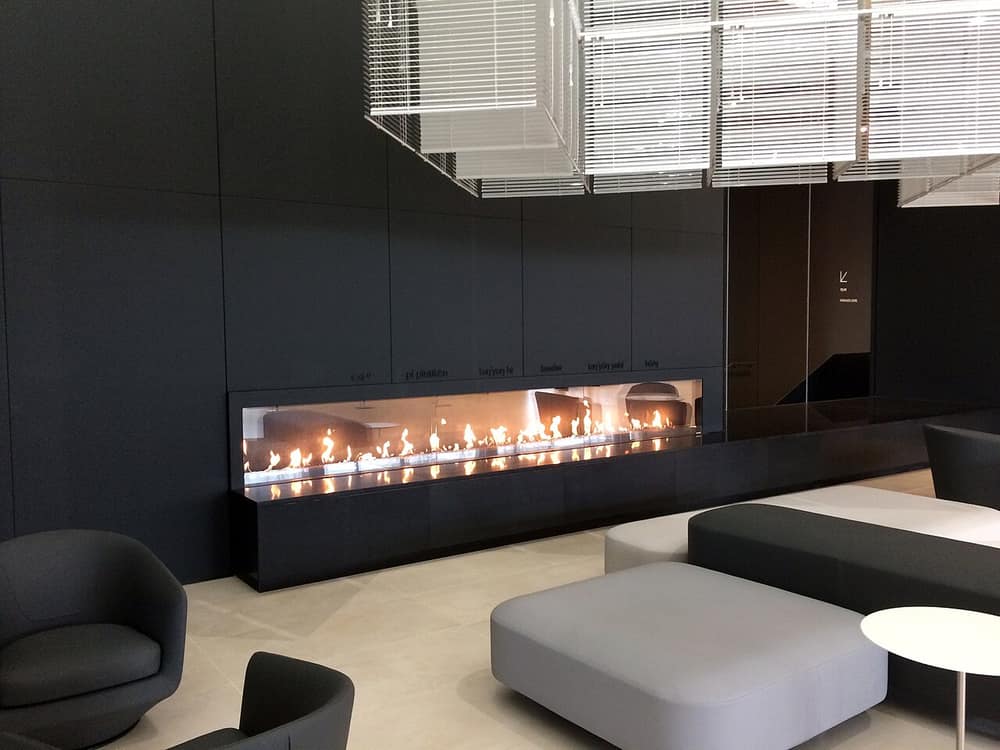
- Wide letterbox gas fireplace set into a feature wall for a clean, contemporary look.
Fireplace safety
- Use a spark guard with open fires.
- Keep furniture, rugs and curtains clear of the hearth and outside the fireplace’s stated clearances.
- Burn only dry, untreated wood. Never burn painted or treated timber, plastic or rubbish.
- Fit smoke and CO detectors and keep a fire extinguisher nearby.
FAQ
What is the most efficient type of fireplace?
Closed combustion wood fireplaces and flued gas fireplaces are generally the most efficient for heating a room. Traditional open fireplaces are the least efficient, because most of their heat goes up the chimney.
Do I need plans approved to install a fireplace?
Often, yes. Fireplaces and chimneys fall under Part V of the National Building Regulations, and many municipalities require plans for a new fireplace or chimney. Check with your local building control office and your estate or body corporate.
Can I put a fireplace in a flat without a chimney?
A bioethanol or electric fireplace needs no chimney. A vent-free gas fireplace may be possible if the room meets the manufacturer’s minimum size and ventilation requirements and your body corporate allows it, but a registered gas installer must install it.
Can I convert my open fireplace to something more efficient?
Yes. A closed combustion insert or a gas insert can fit into many existing fireplaces. Have a fireplace installer check that the chimney is sound and suitable first.
Which fireplaces work during load shedding?
Wood (open or closed combustion), most gas fireplaces and bioethanol fireplaces all work without electricity. Electric fireplaces don’t, and some gas models use electronic ignition or remotes that need power or batteries.

Lize van Wyk
Heating & fireplaces writer
Covers gas heaters, fireplaces and keeping a South African home warm through winter and load shedding.
More from Lize →