We're independent: products are chosen on merit and prices come from the retailers' own sites. We may earn a commission if you buy through our links. Learn more.
Key takeaways
- Clean the grid while it is still warm: scrape, brush and wipe on a little oil. It takes two minutes and saves an hour later.
- Ash is not just mess. It holds moisture against the steel, so empty the braai once it is cold, not next weekend.
- Coals can stay hot for days. Douse them, then store the ash in a metal bucket with a lid, never in a wheelie bin or plastic bag.
- Skip steel wool on stainless steel and harsh oven cleaner on chrome or enamel; a scraper, hot soapy water and bicarb do most jobs.
- After brushing with a wire brush, check the grid for loose bristles before the meat goes on.
Nobody braais for the clean-up. The fire is out, the meat is eaten and the grid goes back on the braai with Saturday’s fat still on it. Next weekend you scrape black crust off cold steel while the coals wait.
Cleaning a braai is mostly about timing. A few minutes while the grid is warm and the ash is cold does more than an hour of scrubbing once grease has baked on and rust has started. This guide covers every part: the grid, braai stands and drums, built-in braais, kettles, ash disposal, rust, and the cleaners that do more harm than good. Gas braais and skottels have their own routines; see the gas braai buying guide and skottel guide for those.
Quick answer: what to clean and when
| Part | After every braai | Every month or so | Once or twice a year |
|---|---|---|---|
| Grid | Scrape and brush while warm, wipe with oil | Soak and scrub | Deep clean or replace if plating flakes |
| Ash and old coals | Remove once fully cold | — | — |
| Braai stand / drum | Empty ash | Brush out, check for rust | Treat rust, repaint with heat-resistant paint |
| Built-in braai | Sweep out ash | Wipe the stainless or face brick | Check the chimney and fire bricks |
| Kettle | Empty the ash catcher | Brush out the bowl | Wash the bowl and lid with soapy water |
Step one: clean the grid while it’s warm
The grid is the part that touches your food, and fat is easiest to shift when it is still soft. The best time is straight after the meat comes off, or a few minutes after you put the empty grid back over the dying coals.
- Burn it off. Put the empty grid over the last of the heat for a few minutes. Fat and marinade turn to brittle carbon.
- Scrape and brush. Use a scraper for the underside and between the rods, then a brush across the top.
- Wipe with oil. Fold a paper towel, dip it in cooking oil and wipe the rods, holding it with tongs. The thin film slows rust and stops the next lot of chops sticking.
- Hang it up dry. A grid left lying in the ash, or out in the dew, rusts quickly.
Our braai grid guide covers grid materials in more detail, including why plated and galvanised grids should never be left lying in the fire to “burn clean”.
Deep cleaning a grid
Every month or so, or when the brush no longer shifts the build-up:
- Soak the cold grid in hot water with dishwashing liquid. A big tub or trough fits a hinged grid.
- Scrub with a stiff nylon brush or a non-scratch scouring pad.
- Bicarb paste (bicarbonate of soda with a little water) helps on stubborn black patches. Leave it for 15 to 20 minutes before scrubbing.
- Rinse and dry fully, then oil it lightly before it goes back.
On stainless steel grids, avoid ordinary steel wool and steel brushes when you deep clean. Stainless steel care guides warn that tiny steel particles left behind can rust and stain the surface. A synthetic scouring pad does the job without that problem.
Braai stands and drum braais
A braai stand or half-drum lives outside and gets the hardest life. The enemy is not grease but rust, and the biggest cause of rust is ash left in the bowl.
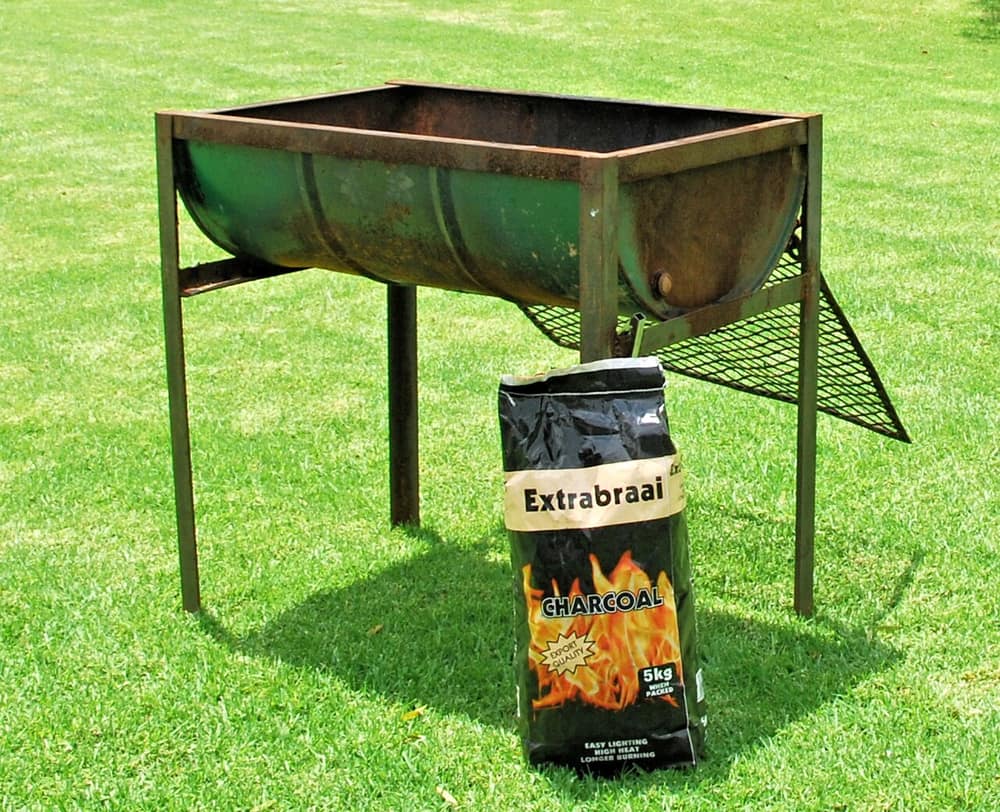
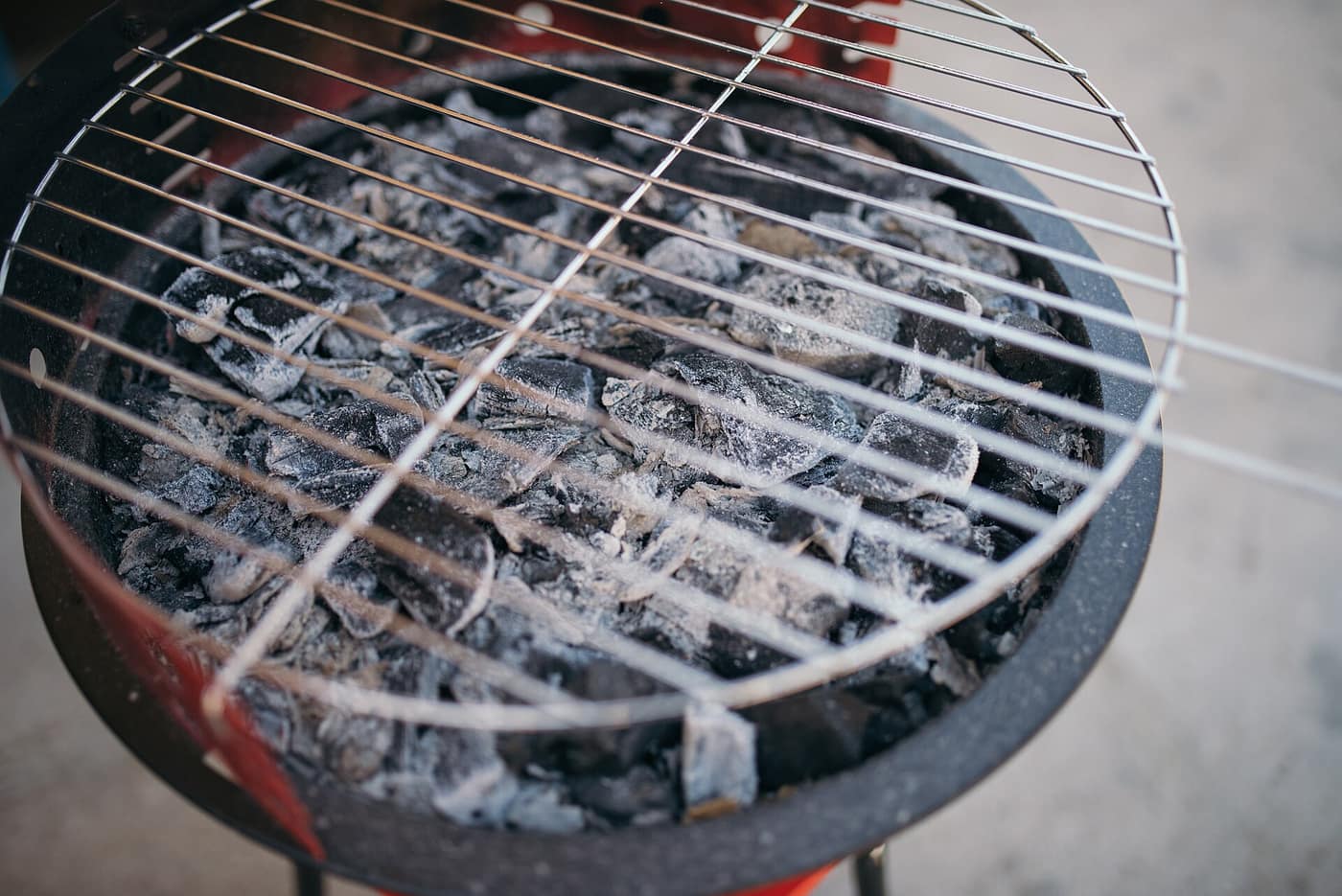
Ash soaks up moisture from dew and rain and keeps it pressed against the steel. Once the coals are completely cold, tip or scoop the ash out, brush out the bowl and leave it dry. If the stand has drainage holes, make sure they are clear.
Treating rust on a stand:
- Brush loose rust off with a wire brush (on the outside and the fire bowl, not the cooking grid).
- Wipe off the dust and let it dry.
- Repaint the outside with a heat-resistant paint made for braais and stoves, following the tin for temperatures and curing.
- Store it under a cover or a roof between braais.
A stand that has rusted through the bottom is past saving. Our braai stand guide covers which materials hold up best outdoors and at the coast.
Built-in braais
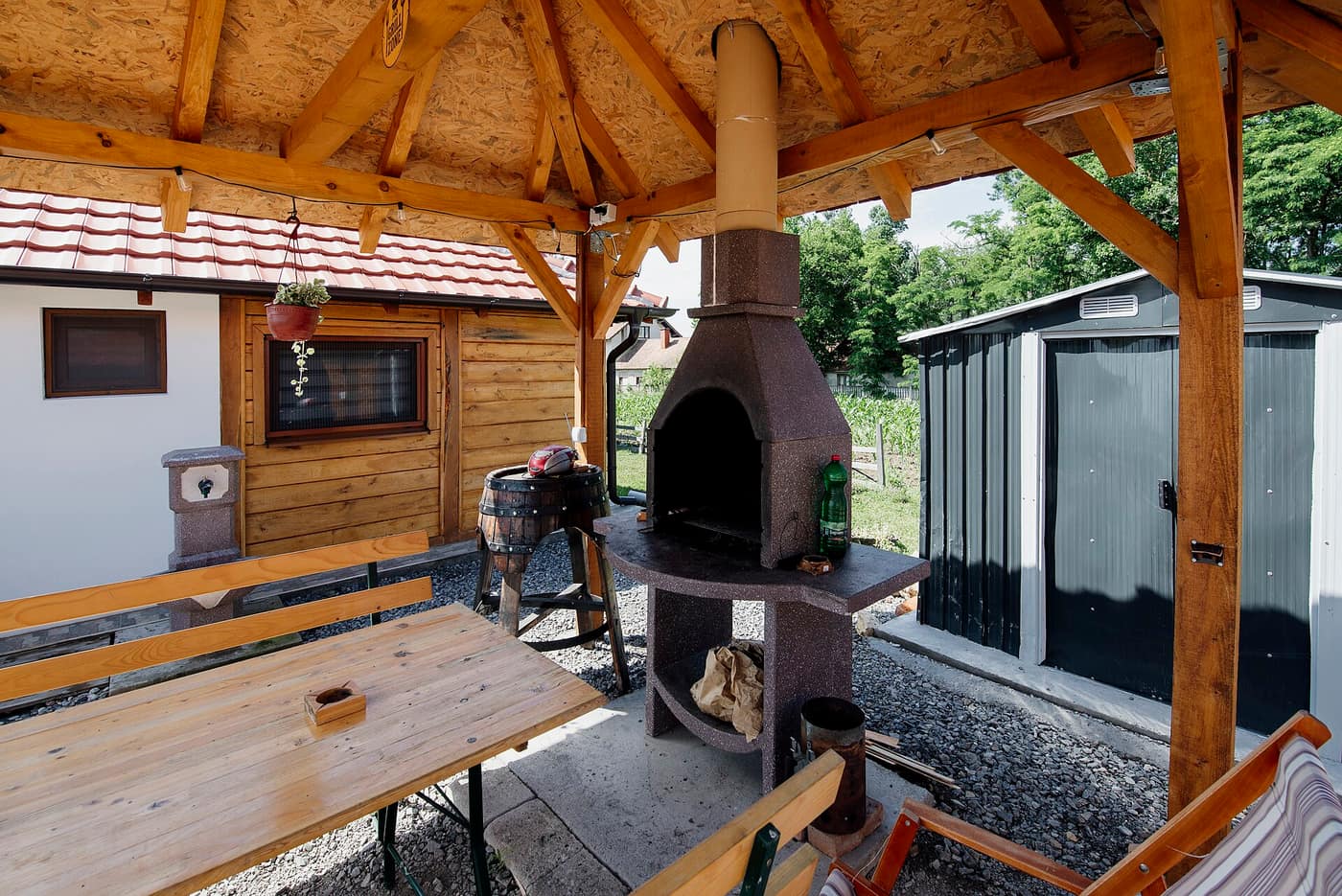
Built-in braais are easier because they stay dry, but they collect more ash, and the area around them is usually on show.
- Ash: sweep it out once it is cold, using a metal pan and brush. Many built-ins have an ash drawer or grate that lifts out; empty it after each braai.
- Fire bricks: brush them down with a dry, stiff brush. Black soot on fire bricks is normal and doesn’t need scrubbing off.
- Stainless steel fronts and hoods: wipe with warm soapy water and a soft cloth, along the grain, then dry. At the coast, rinse off salt regularly, because salt causes the brown “tea staining” that makes even good stainless look neglected.
- Face brick and plaster: wash smoke marks with warm soapy water and a stiff brush. Test any stronger cleaner on a hidden patch first.
If smoke starts rolling out the front of the braai instead of going up the chimney, wet wood is the usual suspect, but a flue full of soot can do it too. The chimney cleaning guide explains what to look for, and the built-in braai guide covers chimney design.
Kettle braais
Kettles, from a Weber to a budget brand, are mostly enamel-coated steel, which is easy to clean but can chip and scratch.
- Empty the ash catcher after every cook, once it is cold. Ash left in the bowl holds moisture and can block the bottom vents.
- Brush out the bowl with a soft brush.
- Wash the bowl and lid now and then with warm soapy water and a sponge, then rinse and dry.
- Flaking “paint” inside the lid is usually carbonised grease, not the enamel peeling. It brushes off.
Kettle retailers warn against abrasive cleaners and metal scrapers on the enamel, because scratches let rust in. If you’re unsure whether a product is safe, check the manual for your model. The Weber braai guide and kamado guide have model-specific care notes; ceramic kamados should never be washed with soap.
Getting rid of ash safely
Ash looks dead long before it is. Buried coals stay hot well after the surface has gone grey, and fire services overseas warn that they can hold heat for days.
The safe way:
- Let the fire burn out, then spread the coals and douse them with water if you need them out sooner.
- Scoop the ash into a metal bucket with a metal lid.
- Leave the bucket outside on bare ground or paving, away from the house, the wooden deck, the thatch and anything that burns.
- Only empty it into the bin once you are certain it is cold all the way through, ideally a few days later.
Can you use the ash in the garden? Small amounts of pure wood ash are often added to compost or sprinkled around plants, because wood ash contains potash. Go easy, since it makes soil more alkaline. Leave out ash from briquettes, instant-light charcoal or anything with firelighter residue in it, because you don’t know what the binders and additives are.
Rusty braai grid? Clean it or replace it
Light surface rust on a mild steel or cast iron grid can usually be cleaned off:
- Scrub the rust off with a wire brush or steel wool (fine on mild steel and cast iron).
- Soak in a mix of white vinegar and water for an hour or two to loosen stubborn spots, then scrub, rinse and dry straight away.
- Re-oil the whole grid and heat it over the coals to set the oil.
Replace the grid instead if:
- the chrome or nickel plating is peeling or flaking off,
- the rods are pitted, thin or broken,
- the welds where the rods meet the frame have rusted through.
What not to use
- Oven cleaner on plated, painted or enamelled surfaces, unless the manufacturer says it is safe. It can strip coatings.
- Steel wool or steel brushes on stainless steel. Steel particles left behind can rust and stain.
- Cold water on a hot cast iron grid or potjie. Sudden temperature changes can crack cast iron.
- Bleach and strong solvents on anything that touches food.
- Petrol, paraffin or thinners to “dissolve” grease. Apart from the fumes, the residue is flammable, and the next fire will find it.
Cleaning kit worth buying
You don’t need much: a good scraper-brush for warm grids, something without wire bristles for the deep clean, a metal pan for ash and a degreaser for the hard stuff. All of these were in stock when we checked, from around R89 for Alva’s grid cleaner spray to R249 for Megamaster’s metal dust pan and brush (Nov 2026).

Megamaster
Megamaster Edge Grid Cleaner
Hard bristles for the top of the rods and a stainless scraper that gets underneath and between them, which is where the burnt-on fat hides.
- Hard bristles
- Stainless steel scraper
- Removable bristles
- Scraper reaches between and under the rods
- Cheap enough to keep one at every braai
- Wire-type bristles: check the grid for strays after brushing

ALVA
Long Handle Nylon Bristle Braai Brush With Scraper
Nylon bristles can't leave wire behind in your food. The catch is that it is made for cold grids only, so it suits the soak-and-scrub clean the next morning.
- Nylon bristles
- 51cm handle
- Metal scraper
- For cool surfaces only
- No loose wire bristles
- Long handle gives good leverage
- Melts on a hot grid
- Not dishwasher safe

ALVA
Grid Cleaner Spray - Food Safe
A grid cleaner sold as food safe, for the deep clean when brushing alone no longer shifts the black build-up. Read the label for contact time and rinsing.
- Spray
- Sold as food safe
- Saves a lot of scrubbing
- Good price
- Still needs a scrub and a thorough rinse afterwards

Megamaster
Megamaster Dust Pan and Brush
A mild steel pan and brush small enough to get into the corners of a built-in braai or fireplace. Plastic dustpans and cold-looking ash are a bad mix.
- Mild steel
- Dustpan and brush
- Braai or fireplace
- Metal, so a stray warm coal won't melt it
- Fits into braai corners
- Mild steel: keep it dry so it doesn't rust

HILLMARK
Hillmark Steel Kleen Stainless Steel Cleaner & Repellent Spray 250ml
For the outside of a stainless built-in braai, hood or gas braai: lifts fingerprints and spatters and leaves a film that helps repel the next lot.
- 250ml spray
- Stainless steel surfaces
- Streak-free, repellent film
- Keeps a stainless braai area looking new
- Also does the kitchen appliances
- Exterior surfaces only, not for the cooking grid
Prices change often; check the retailer for the current price and stock. We may earn a commission if you buy through these links, at no extra cost to you. Star ratings are the store's own customer reviews, shown once a product has at least 3. How we choose products.
For tongs, spatulas and the rest of the kit, see the braai tools guide.
FAQ
What is the easiest way to clean a braai grid?
Clean it while it is still warm. Put the empty grid over the last coals for a few minutes, scrape and brush it, then wipe it with an oiled paper towel. For a deep clean, soak the cold grid in hot soapy water and scrub with bicarb paste.
How do I clean a stainless steel braai grid?
Brush it while warm, then soak and scrub with hot soapy water and a nylon brush or synthetic scouring pad. Avoid ordinary steel wool, because steel particles left behind can rust and stain the stainless steel. Rinse well and dry it.
Can I use a wire brush on my braai grid?
You can, but check the grid carefully afterwards, because loose bristles can stick to the grid and end up in food. Replace the brush when the bristles start to splay. A nylon brush on a cold grid or a scraper avoids the problem.
How long should braai ash cool before I throw it away?
Longer than you think. Buried coals can stay hot for days, so douse them with water, store the ash in a metal container with a lid away from the house, and only put it in the bin once it is cold all the way through.
How do I get rust off my braai grid?
Scrub mild steel or cast iron with a wire brush or steel wool, soak stubborn spots in vinegar and water, then rinse, dry, oil and heat the grid. If the chrome plating is flaking or the rods are pitted, replace the grid instead.
Should I clean my braai before or after braaiing?
Both, briefly. Scrape the grid after the meat comes off while it is warm, and give it a quick brush once it has heated up again before the next braai. Empty the ash once the fire is completely cold.

Johan Botha
Braai & outdoor editor
Writes our braai, fire pit and pizza oven guides. Firmly in the wood-fire camp, but owns up to a gas braai for weeknights.
More from Johan →