We're independent: products are chosen on merit and prices come from the retailers' own sites. We may earn a commission if you buy through our links. Learn more.
Key takeaways
- Wood gives the most flavour and the most ritual, but needs 45–60 minutes before you can cook.
- Charcoal and briquettes give real braai flavour in about 20–30 minutes, with steadier heat than wood.
- Gas is ready in 10–15 minutes and suits weeknights, balconies and complexes, if your body corporate allows it.
- A kettle braai with a lid is the most versatile single braai: direct heat, roasts and even bread.
- Any fixed gas installation must be done by a registered gas installer who issues a Certificate of Conformity (CoC).
Every South African has an opinion on this one, usually delivered with some heat of its own. Wood purists say gas isn’t a braai; gas owners point out they’ve eaten by the time the wood is still flaming. Both are right, because they’re answering different questions.
The best braai is the one that suits how often you cook, how much time you have, where you live and how much the ritual matters to you. This guide compares the three fuels side by side, explains where each one shines, and helps you choose, whether it’s your first braai or your second.
The short answer
- Choose wood if the fire is part of the fun, you braai mostly on weekends and flavour comes first.
- Choose charcoal or briquettes if you want proper braai flavour with less waiting and more predictable heat.
- Choose gas if you want to cook on a Tuesday night in 15 minutes, braai on a balcony or in a complex, or want precise heat control.
Side by side
| Wood | Charcoal / briquettes | Gas | |
|---|---|---|---|
| Time to cook | 45–60 min | 20–30 min | 10–15 min |
| Flavour | Best: real wood smoke | Very good | Good. Less smoky, but great with a lid. |
| Heat control | Skill needed | Moderate | Excellent (dial) |
| Running cost | Bag of wood per braai | Bag of charcoal per braai or two | Refilling a gas cylinder |
| Mess | Ash to clean | Ash to clean | Minimal |
| Complex/balcony friendly | Often not allowed | Sometimes | Usually, but check your body corporate rules |
| Works in load shedding | Yes | Yes | Yes |
Wood: the full ritual
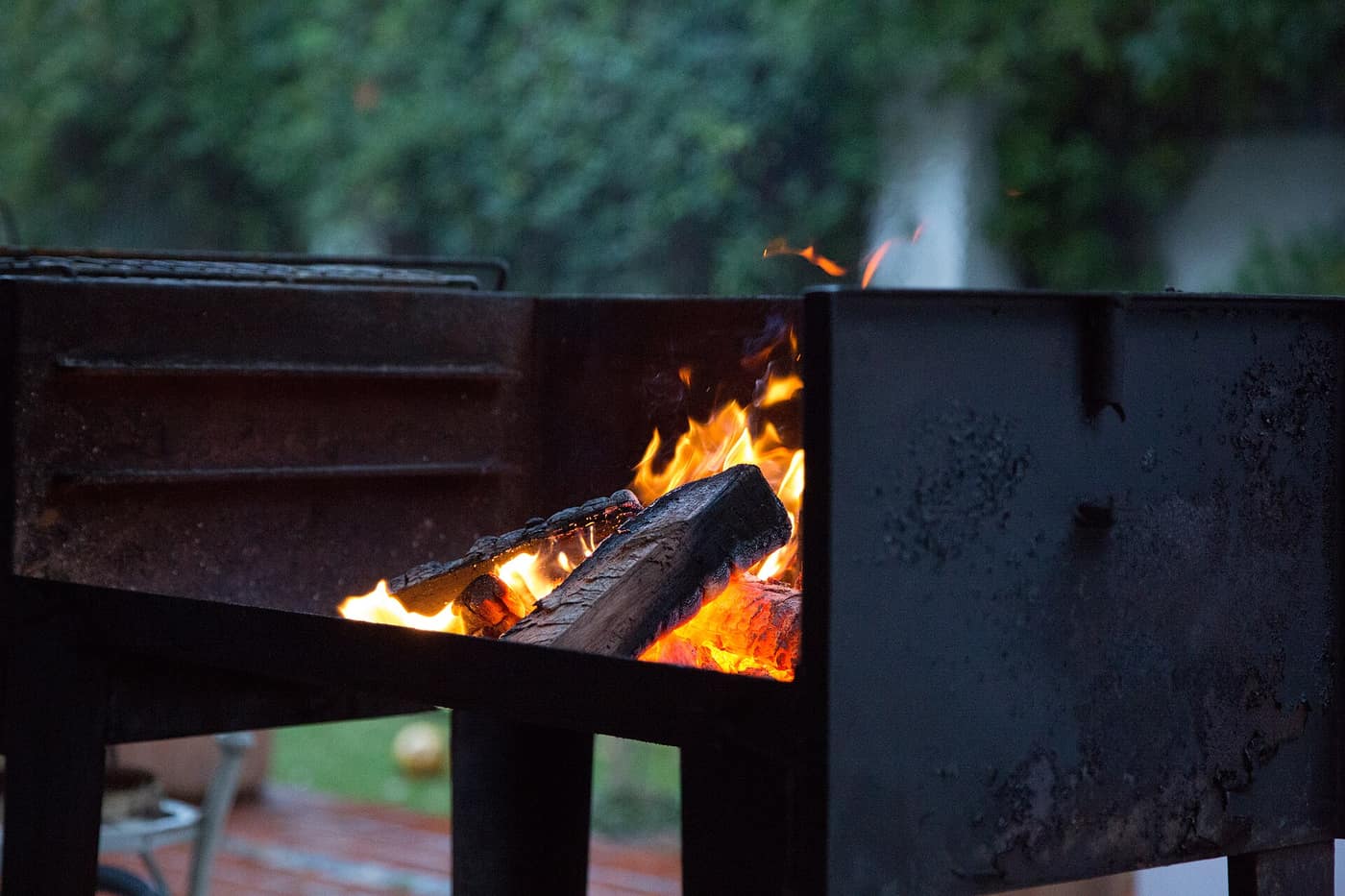
The traditional braai. You build a fire, let it burn down and cook over the coals. It takes time and some skill, but nothing else tastes quite like it, and for many people the time around the fire is the braai.
Good at: flavour, atmosphere, big weekend braais, potjies (with a side fire for top-ups).
Not so good at: weeknights, precision, small spaces and complexes where open fires aren’t welcome.
Wood quality makes or breaks this option. Dry, dense wood like sekelbos or rooikrans gives hot, lasting coals; wet wood gives smoke and frustration. See our braai wood guide for which to buy, and how to make a braai fire for the method.
Charcoal and briquettes: the middle ground
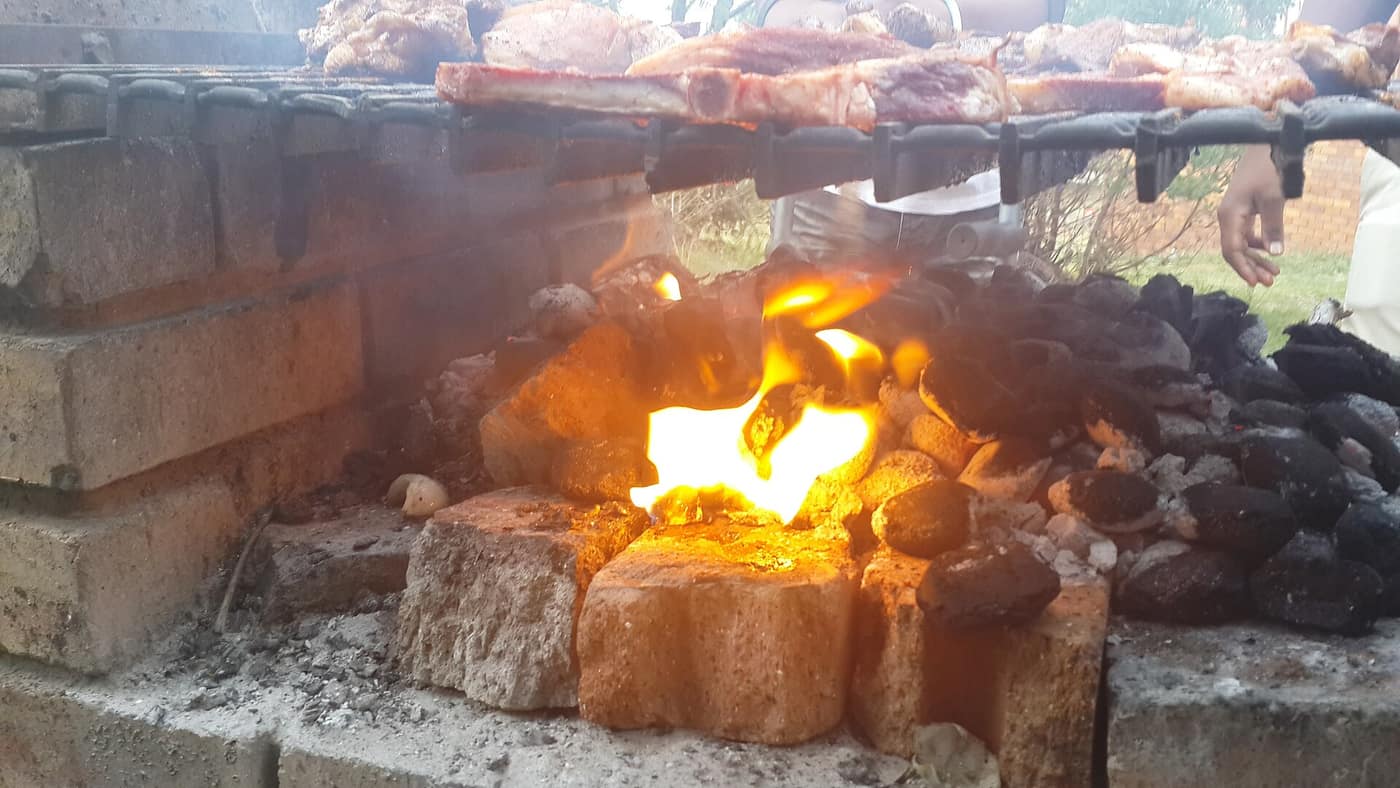
Charcoal is wood that has already been burnt down, so it reaches cooking heat much faster.
- Lump charcoal lights quickly and burns hot, but burns out sooner.
- Briquettes take a little longer to light but give steady, even heat for longer. That makes them ideal for kettle braais, roasts and indirect cooking.
A chimney starter makes charcoal easy: fill it, light a firelighter underneath, and the coals are ready in about 20 minutes, no fuel needed. Our charcoal and briquettes guide covers how much to use.
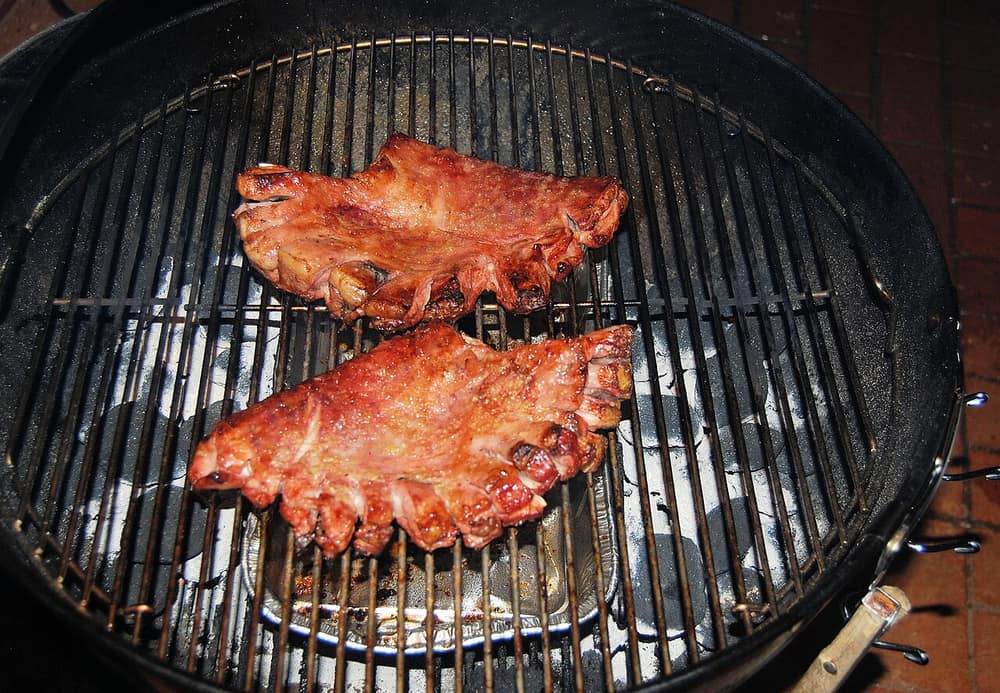
What about a kettle braai?
Kettle braais (like the classic Weber kettle) use charcoal or briquettes with a lid. They’re the most versatile option: direct braai, roasts with indirect heat, even bread. If you can only own one braai, a kettle is a strong choice. Our Weber braai guide explains the range, and a kamado takes the same idea further for low-and-slow cooking.
Gas: the weeknight hero
A gas braai is a gas burner under a grid, plate or griddle, usually with a lid. It lights instantly and lets you set the heat exactly, which is why gas suits midweek cooking and smaller spaces. With the lid closed it can roast and bake like an outdoor oven, and a flat plate or skottel handles eggs, onions and seafood that would fall through a grid.
Good at: speed, control, little mess, balconies and complexes.
Not so good at: smoky flavour (though a lid helps), and it needs a gas cylinder that’s refilled and checked.
Gas safety basics
- Check hoses and connections regularly. Brush soapy water over the joints with the gas on: bubbles mean a leak.
- Keep the cylinder upright and outdoors, away from heat.
- Turn the cylinder off at the valve when you’re done.
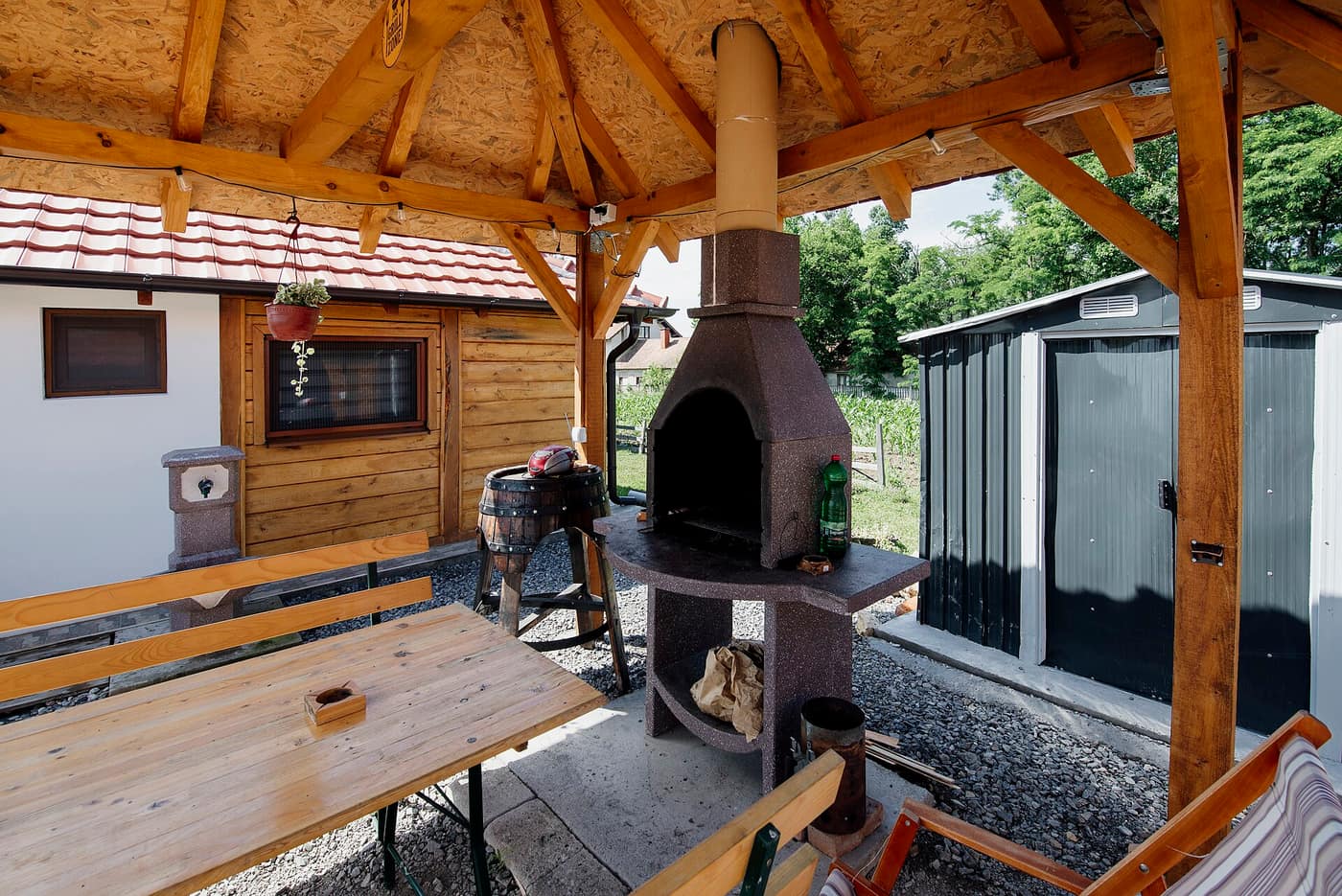
- A fixed gas installation (for example, a gas line piped to a built-in braai) must be done by a registered gas installer, who gives you a Certificate of Conformity (CoC). Get quotes from gas installers.
What about flavour, really?
Most of the “braai taste” comes from two things: fat and juices dripping onto hot coals and turning into smoke, and the smoke from the fuel itself. Wood gives you both. Charcoal gives you the first and a milder version of the second. Gas gives you mostly the first, which is why a closed lid helps so much: it traps that smoke around the meat.
Between wood coals and charcoal, the difference on the plate is smaller than the difference in the experience: the flames, the waiting around the fire and the smell of the wood are a big part of why people choose wood.
Which one suits your life?
| If you… | Go for |
|---|---|
| Braai once a week or less, mostly on weekends | Wood, or a wood/charcoal braai stand |
| Want real braai flavour on a weeknight | Charcoal in a kettle, with a chimney starter |
| Live in a flat or complex | Gas (check the rules first) |
| Want to roast, bake and smoke too | Kettle braai or kamado |
| Cook for big crowds often | A large wood/charcoal braai, plus gas for weeknights |
| Go camping or to the beach a lot | A portable wood/charcoal braai or a skottel |
Many South African homes end up with two: a wood or charcoal braai for weekends and a gas braai for weeknights. Our braai buying guide covers sizes and types in more detail.
Braais worth a look
Here’s one solid option for each style, from a budget charcoal kettle to a family-sized gas braai.

Megamaster
Ember Series 37cm Kettle Braai
The cheapest way to find out whether charcoal and a lid suit you. Small enough for a patio or a weekend away, and it does direct braaiing and lid-on cooking.
- 37 cm kettle
- Enamel-coated
- Hinged cooking grate
- Wood or charcoal
- Low price for a lidded braai
- Compact and easy to move
- 37 cm is small for more than a few people

HomeFires
Home Fires 430 S/S FS Bakkie Braai
A stainless steel, open braai built for wood or charcoal that packs into a bag for the bakkie. A good pick if the fire is part of the fun and you braai away from home too.
- 430 size
- Stainless steel
- Freestanding
- Bag, chopping board and tong included
- Stainless steel copes with weather
- Packs up for camping and the beach
- Pricier than a basic steel braai stand
- No lid for roasting

ALVA
Alva Everest Tabletop 3-Burner Gas BBQ with Grill, Plancha Plate & Cover
A tabletop gas braai with both a grill and a flat plancha plate, so you can do chops on one side and onions, eggs or prawns on the other. Suits a balcony or small patio.
- 3 burners
- Tabletop
- Grill and plancha plate
- Cover included
- Grill and flat plate in one
- Compact footprint
- Needs a sturdy table or stand
- Less smoky flavour than charcoal or wood

Jetmaster
Jetmaster Atlanta Portable Gas Braai – 4 burner
Four burners give you room for a family-sized braai and separate heat zones, and the stainless finish suits an outdoor patio.
- 4 burners
- Portable
- Stainless steel finish
- Room for a full family braai
- Separate burners for hot and gentle zones
- Bigger and pricier than a tabletop unit
Prices change often; check the retailer for the current price and stock. We may earn a commission if you buy through these links, at no extra cost to you. Star ratings are the store's own customer reviews, shown once a product has at least 3. How we choose products.
FAQ
Is a gas braai a real braai?
That depends on who you ask. Gas cooks well and quickly, especially with the lid closed, but it doesn’t give the wood-smoke flavour of a fire. Many people use gas midweek and wood or charcoal on weekends.
Which is cheaper to run: gas, charcoal or wood?
It depends on local prices and how often you braai. Wood and charcoal cost a bag per braai or two; gas costs a cylinder refill that lasts several braais. Compare what you pay locally for each.
Can I braai with charcoal on a balcony?
Sometimes, but many complexes don’t allow open fires on balconies. Check your body corporate rules first. Gas is usually the safer bet in flats.
Which braai is best for load shedding?
All three work without electricity. Gas is quickest for a weeknight meal when the power is off; wood and charcoal need more time but no cylinder.
Do I need a CoC for a gas braai?
A portable gas braai connected to a cylinder doesn’t need a fixed installation. A fixed gas installation, such as a gas line piped to a built-in braai, must be done by a registered installer who issues a Certificate of Conformity.

Johan Botha
Braai & outdoor editor
Writes our braai, fire pit and pizza oven guides. Firmly in the wood-fire camp, but owns up to a gas braai for weeknights.
More from Johan →