In an emergency, get everyone out first and call 112 from a cellphone, or your local fire brigade. This guide is general information; always follow the manufacturer's instructions and local regulations.
Key takeaways
- Fit smoke alarms outside every sleeping area, in the main living area and on every level of the house.
- Use both ionisation and photoelectric technology, as separate alarms or dual-sensor units, for cover against flaming and smouldering fires.
- If you use a gas heater, gas geyser, fireplace, wood stove or paraffin, fit a carbon monoxide alarm as well.
- Test every alarm monthly, and replace smoke alarms 10 years after the manufacture date printed on the back.
- If a CO alarm sounds, get everyone outside first and ask questions later.
A fire that starts while everyone is asleep is the one that catches a household off guard: nobody is awake to notice the smoke. A smoke alarm is the cheapest piece of safety kit in your home, and it buys the one thing you need most: time to get out. A carbon monoxide (CO) alarm does the same for a gas you can’t see, smell or taste.
Every South African home should have smoke alarms in the passages and living areas, plus a CO alarm if you use a gas heater, gas geyser, fireplace or wood stove. This guide explains the different types, where to put them, what to do when one goes off, and how to keep them working through load shedding and the years after.
Quick answer: what does a typical home need?
| Home | Smoke alarms | CO alarm |
|---|---|---|
| Flat or small house, electric heating only | One in the passage outside the bedrooms, one in the living area | Not essential, but worth it if a garage or neighbour’s flue is close |
| House with a gas heater, gas hob or gas geyser | As above | Yes: in the room with the appliance and near the bedrooms |
| House with a fireplace or closed-combustion stove | As above | Yes: in the room with the fireplace and near the bedrooms |
| Double-storey home | One on every level, including the top of the stairs; consider interconnected alarms | Yes, if any fuel-burning appliance is in use |
| Home with a solar battery or inverter in a garage or storeroom | Add one near the equipment, ideally one that alerts your phone | Only if fuel-burning appliances are present |
Add an alarm inside any bedroom where someone sleeps with the door closed, smokes, or uses an electric blanket or heater.
Smoke alarm types
| Type | How it detects | Strength | Weakness |
|---|---|---|---|
| Ionisation | A tiny radioactive source ionises air in a chamber; smoke particles disrupt the current | Responds faster to fast, flaming fires | More nuisance alarms from cooking and toast; slower on smouldering fires |
| Photoelectric (optical) | Smoke scatters a light beam onto a sensor | Responds faster to slow, smouldering fires (a cigarette in a couch, an electrical fault) | Can be slower on fast flaming fires |
| Dual-sensor | Both sensors in one unit | Covers both kinds of fire | Usually costs more |
| Heat alarm | Triggers at a set temperature or a fast temperature rise | Good for kitchens and garages, where smoke alarms cause false alarms | Not a substitute for a smoke alarm in living areas |
| Combination smoke and CO | Smoke sensor plus a CO sensor | One device, one battery to check | The CO sensor may wear out before the smoke sensor |
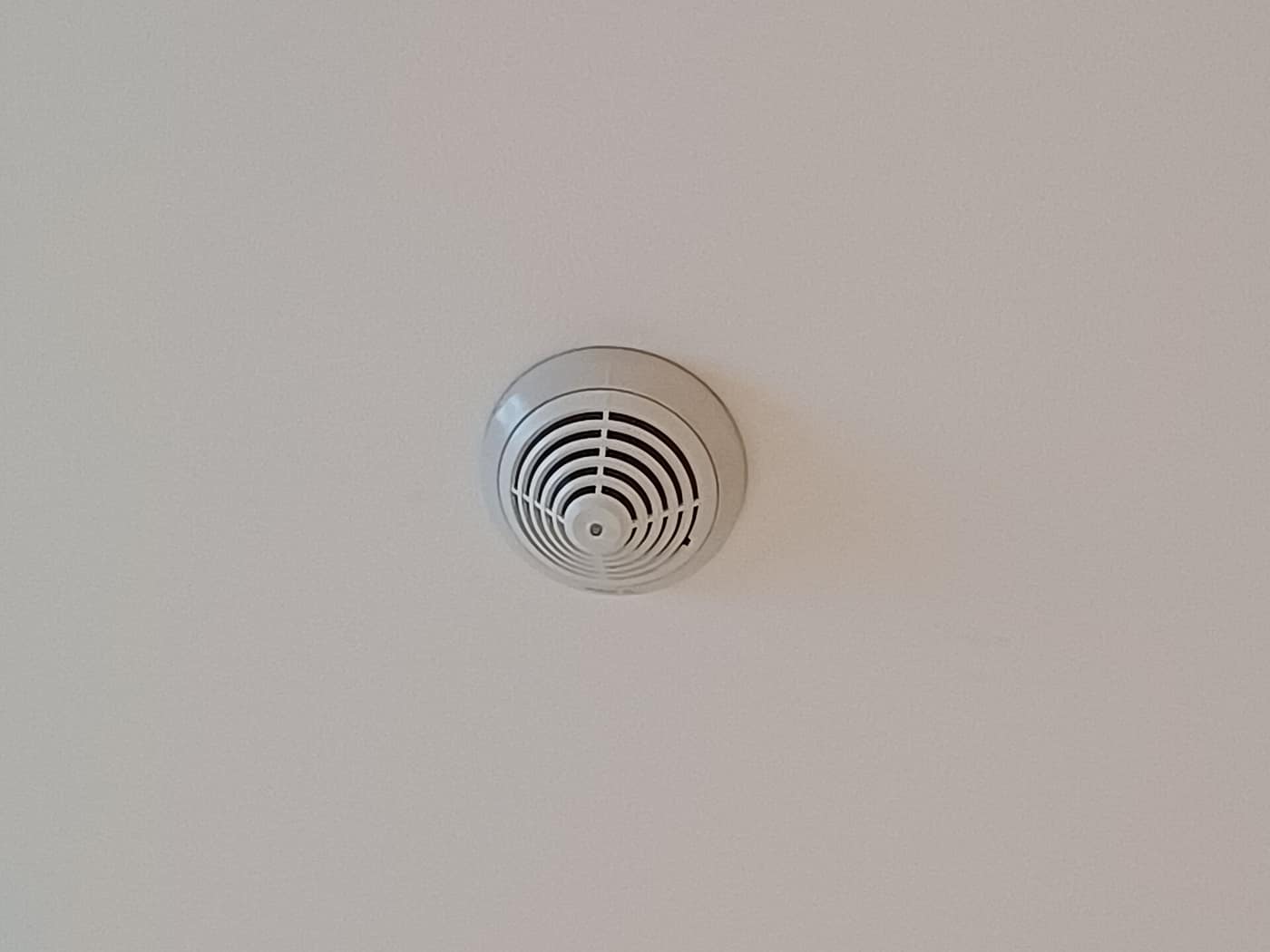
The US National Fire Protection Association (NFPA) recommends using both ionisation and photoelectric technology, either as separate alarms or as dual-sensor units. Many homes prefer photoelectric alarms near kitchens because they cause fewer false alarms from cooking.
Battery, mains or connected?
- Battery (replaceable): cheapest and easiest to fit. You must change the battery, typically once a year.
- Sealed long-life battery: the battery lasts the life of the alarm. A good choice for most homes.
- Mains-powered with battery backup: usually installed by an electrician. Keep in mind that load shedding and outages mean the backup battery must be working.
- Interconnected: when one alarm sounds, they all sound. Useful in larger or double-storey homes, where an alarm downstairs may not wake anyone upstairs.
- Smart or monitored: sends alerts to your phone, or to a security or emergency response company. Useful if the house is often empty. Several insurers and security companies in South Africa offer linked detectors.
Price bands: basic battery ionisation or photoelectric alarms are entry-level; sealed long-life and dual-sensor alarms are mid-range; interconnected, smart and monitored systems are premium.
Where to put smoke alarms
Smoke rises and spreads along the ceiling, so position matters as much as the type you buy.
- Outside every sleeping area, in the passage between bedrooms and the rest of the house.
- In the main living area and on every level of a double-storey home, including at the top of the stairs.
- Inside bedrooms if anyone sleeps with the door closed, smokes, or uses an electric blanket or heater in the room.
- Near (but not in) the kitchen. Fit a heat alarm in the kitchen itself if you want cover there.
- Near solar inverters and batteries, especially if they’re in a garage or storeroom. See our lithium battery fire safety guide.
- On the ceiling, ideally near the centre of the room, and away from corners where air doesn’t circulate. Follow the manufacturer’s placement instructions.
Avoid: bathrooms (steam), right next to stoves or toasters, next to windows, fans, air conditioners or extractors, and dusty or very humid spots such as garages without ventilation.
Carbon monoxide alarms
CO is produced when gas, paraffin, wood, charcoal or coal burns without enough air. It has no smell, no colour and no taste. Early symptoms (headache, dizziness, nausea, tiredness) are easy to mistake for flu, and high levels can kill, especially while people are asleep.
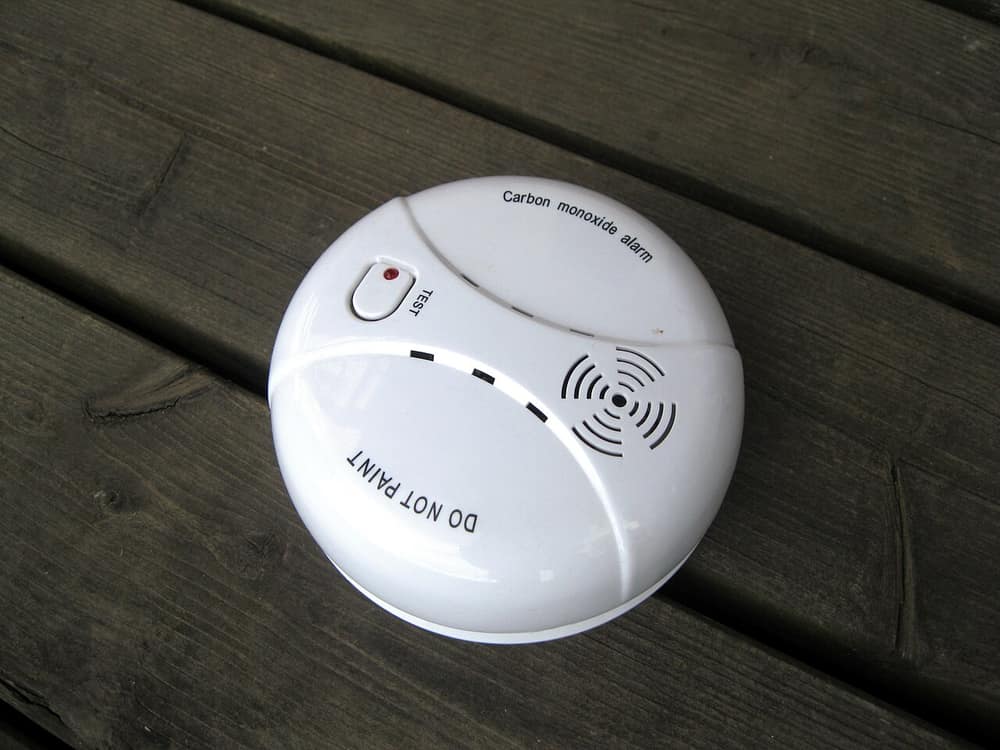
You need a CO alarm if your home has:
- A gas heater, especially a portable indoor heater. See our gas heater guide and gas heater safety guide.
- A gas geyser, hob or gas fireplace.
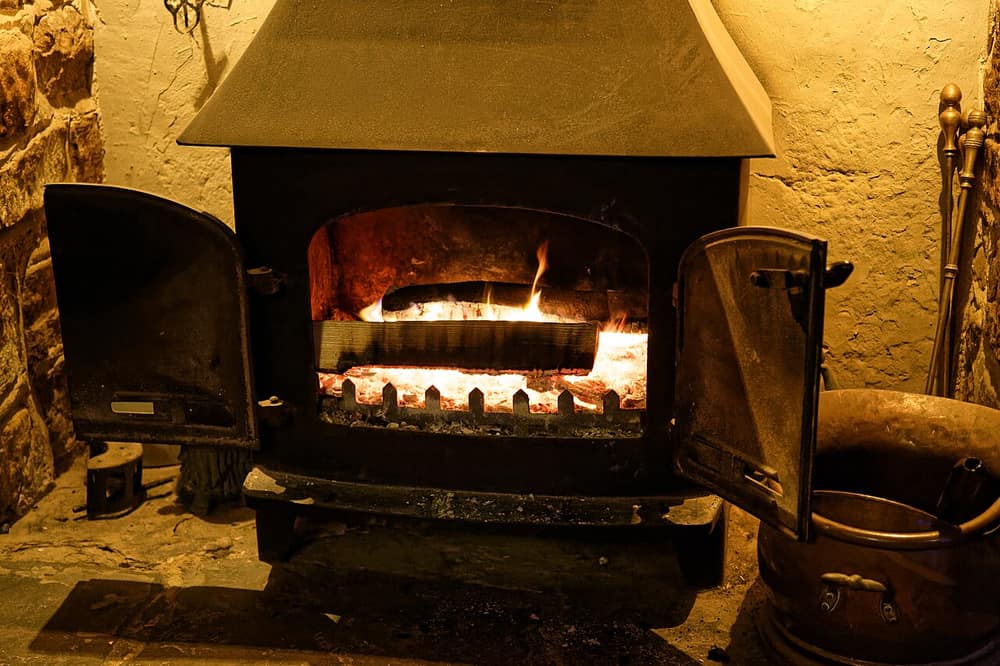
- A fireplace or closed-combustion stove, where a blocked or poorly drawing chimney can push CO back into the room.
- An indoor braai room, or a garage attached to the house where cars or generators run.
- Paraffin heaters or stoves.
Where to put CO alarms
- In each room with a fuel-burning appliance, positioned according to the manufacturer’s instructions (distance from the appliance and height on the wall or ceiling vary by model).
- Near sleeping areas, so the alarm will wake you. The NFPA recommends a CO alarm outside each separate sleeping area.
A CO alarm doesn’t replace ventilation or appliance maintenance. Never use a gas heater, braai, generator or charcoal indoors in a closed room, and never sleep with a gas heater running.
If the CO alarm goes off
- Get everyone outside into fresh air straight away.
- Turn off fuel-burning appliances on the way out only if it’s quick and safe, and open doors and windows.
- Call for medical help if anyone feels unwell (112 from a cellphone).
- Don’t go back in until the source is found and fixed. Have gas appliances checked by a gas installer registered with SAQCC Gas, and chimneys checked by a sweep (see our chimney cleaning guide).
Testing and maintenance
| When | What to do |
|---|---|
| Monthly | Press the test button on every alarm until it sounds |
| Yearly | Replace replaceable batteries (or when the low-battery chirp starts); vacuum or dust the vents gently |
| Every 10 years | Replace smoke alarms. The NFPA recommends replacing them 10 years from the date of manufacture, which is printed on the back |
| Per manufacturer | Replace CO alarms. Their sensors often have a shorter life than smoke sensors; many units show an end-of-life warning |
What the beeps mean
Alarms speak in a few patterns, and it pays to know them before you need them:
- Loud, continuous alarm: smoke or CO detected. Act first, investigate later.
- A single chirp every minute or so: usually a low battery. Replace it the same day.
- End-of-life signal: many alarms chirp or flash in a different pattern when the sensor is worn out. Check your manual; replacing the battery won’t fix it.
Plan your escape
An alarm only helps if everyone knows what to do when it sounds:
- Two ways out of every room where possible, and a meeting point outside.
- Burglar bars and security gates: keep keys somewhere everyone can find in the dark, and consider escape-release burglar bars in bedrooms.
- Practise a night-time drill with children, so the sound of the alarm means “get out”, not “hide”.
- Get out, stay out, call for help. Dial 112 from a cellphone. Save your local municipal fire number in every phone.
- Keep a fire extinguisher and a fire blanket for small fires only. If a fire is spreading or the room is filling with smoke, leave.
Is a smoke alarm a legal requirement?
We couldn’t confirm a general legal requirement for smoke alarms in existing private homes in South Africa. Requirements can apply to new buildings and other building types under the National Building Regulations (SANS 10400-T), and estates, bodies corporate, landlords and insurers may set their own rules. Check with your municipality, insurer or managing agent. Either way, the cost of an alarm is small compared to the protection it offers.
FAQ
What’s the difference between ionisation and photoelectric smoke alarms?
Ionisation alarms react faster to flaming fires, and photoelectric alarms react faster to smouldering fires and give fewer false alarms from cooking. For the best cover, use both types or dual-sensor alarms.
Do I need a carbon monoxide detector with a gas heater?
Yes, it’s strongly recommended. Any gas, paraffin, wood or charcoal appliance can produce CO if it’s faulty or the room isn’t ventilated. A CO alarm is a backup to ventilation and maintenance, not a replacement for them.
How often should I test my smoke alarm?
Press the test button once a month, change replaceable batteries at least once a year, and replace the whole alarm 10 years after the manufacture date, or sooner if the manufacturer says so.
Will a smoke alarm work during load shedding?
Battery and sealed-battery alarms work normally. Mains-powered alarms rely on their backup battery during an outage, so test them and keep the backup battery fresh.
Can a smoke alarm detect carbon monoxide?
Not unless it’s a combination smoke and CO alarm. A standard smoke alarm only detects smoke, so you need a separate CO alarm, or a combination unit, if you have fuel-burning appliances.
Where should I not put a smoke alarm?
Avoid bathrooms, the spot right beside the stove or toaster, and places near windows, fans, air conditioners or extractors, where steam, cooking fumes or draughts cause false alarms or blow smoke away from the sensor.

Nadia Pillay
Home fire safety writer
Writes our home fire safety guides, built on SANS standards, SAQCC rules and fire service advice.
More from Nadia →