We're independent: products are chosen on merit and prices come from the retailers' own sites. We may earn a commission if you buy through our links. Learn more.
In an emergency, get everyone out first and call 112 from a cellphone, or your local fire brigade. This guide is general information; always follow the manufacturer's instructions and local regulations.
Key takeaways
- There are five common types in South Africa: dry chemical powder (DCP), CO2, foam, water and wet chemical.
- ABC DCP covers the widest range of home fires; CO2 suits electrical equipment; wet chemical is made for cooking oil.
- Never use water on electrical, oil, fuel or gas fires.
- Read the label, not the colour: we couldn't confirm a single mandatory South African colour code.
- PASS: Pull the pin, Aim at the base, Squeeze, Sweep. Only on a small fire with your exit behind you.
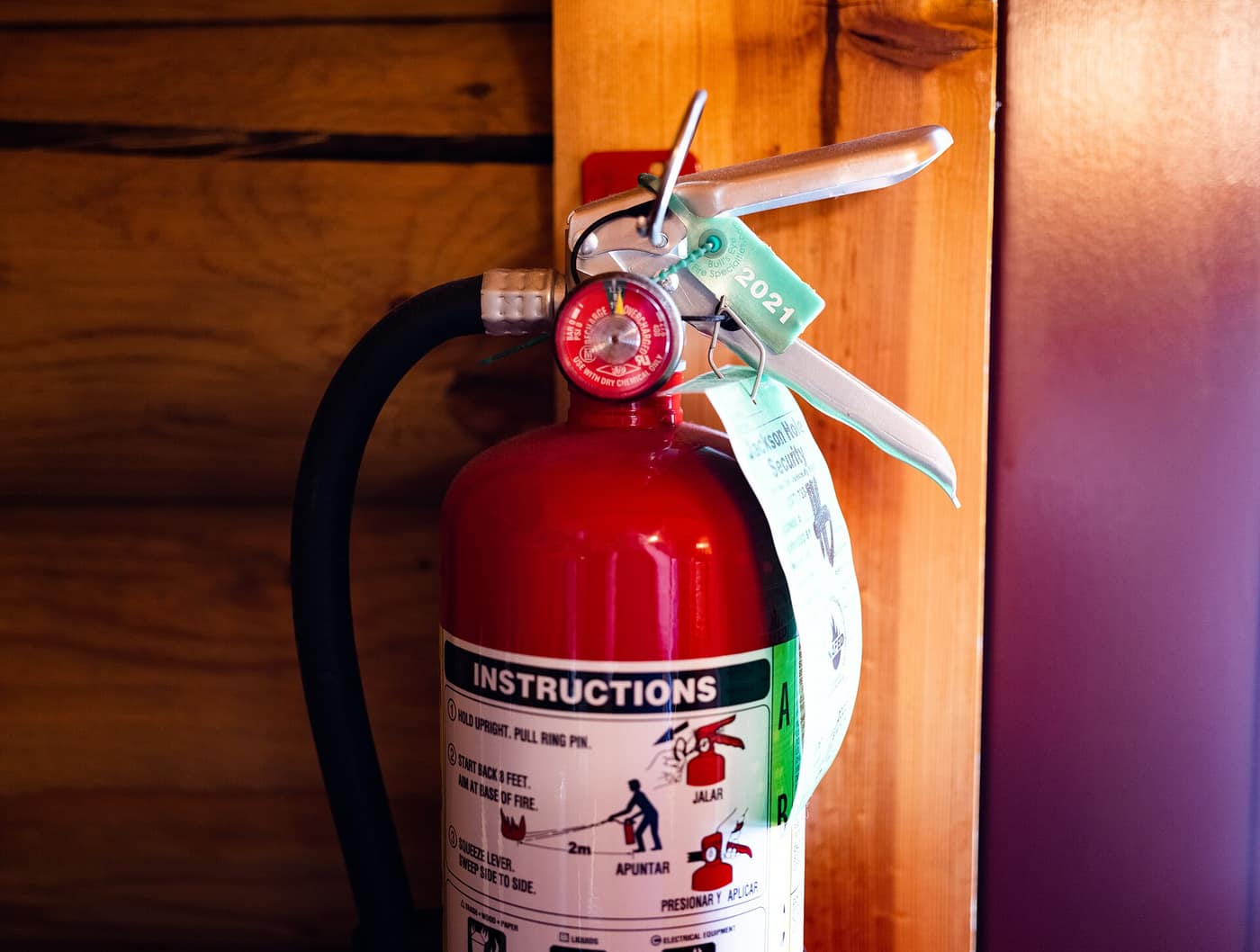
Pick up any extinguisher and you’ll find a cluster of letters, pictograms and small print on the label. In a calm moment it’s easy to ignore. In a fire it’s the difference between knocking the flames down and throwing burning oil across the kitchen.
There are five common types of fire extinguisher in South Africa: dry chemical powder (DCP), carbon dioxide (CO2), foam, water and wet chemical. Each one is rated for certain classes of fire. This guide explains the classes, what each type does, how to read a label, and the PASS method for using one. Using the wrong type can make a fire worse, so match the extinguisher to the fire, and if in doubt, get out and call for help.
Quick answer: which type for which fire
| What’s burning | Use | Never use |
|---|---|---|
| Curtains, furniture, paper | DCP (ABC), water, foam | — |
| Pan of cooking oil | Fire blanket (heat off if safe), wet chemical | Water, and avoid DCP at close range |
| Petrol, paraffin, paint | DCP, foam, CO2 | Water |
| Gas leak on fire | Close the valve if safe, then DCP; otherwise leave | Water |
| Electrical appliance or DB board | Power off if safe; CO2 or DCP marked for electrical | Water, foam (unless label allows) |
| Lithium or solar battery | Get out and call for help | Don’t attempt it yourself |
The classes of fire
Fires are grouped by what’s burning. The classes below follow the international classification (ISO 3941) that South African extinguisher labels generally use:
| Class | What’s burning | Examples at home |
|---|---|---|
| A | Ordinary solid combustibles | Wood, paper, cardboard, fabric, most plastics, furniture |
| B | Flammable liquids | Petrol, diesel, paraffin, paint, thinners |
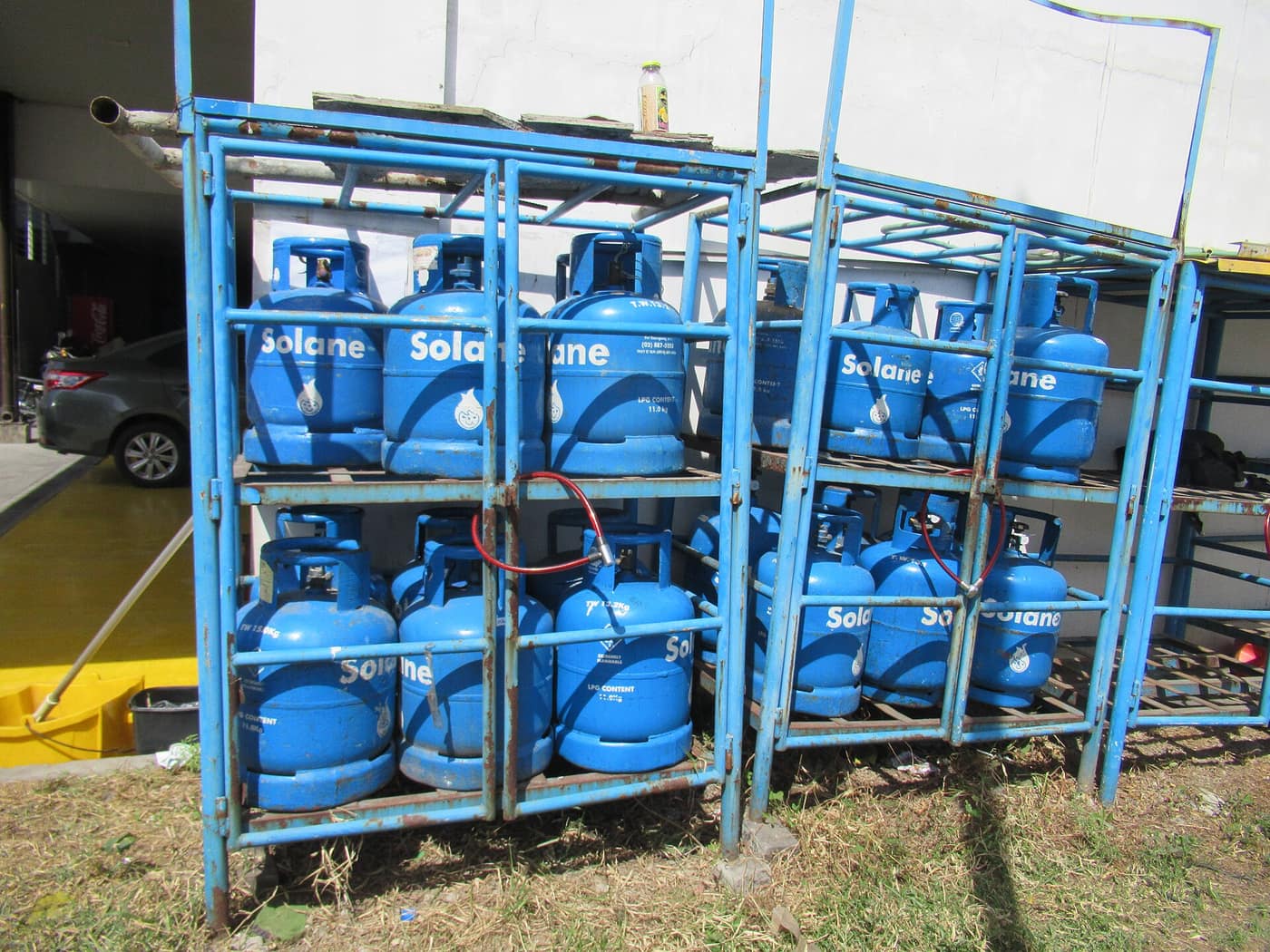
| C | Flammable gases | LPG from a gas cylinder, heater or braai |
| D | Combustible metals | Magnesium, sodium, some metal shavings (rare at home) |
| F | Cooking oils and fats | A pan, potjie or deep-fryer of burning oil |
Electrical fires aren’t a separate class in this system, because electricity is a source of ignition rather than a fuel. Labels show suitability for electrical equipment separately, usually with a pictogram or a voltage note. Some suppliers and older materials call electrical fires “Class E”, and some describe Class C as electrical, so always read the specific label rather than relying on the letter alone.
The five extinguisher types
| Type | Rated for (typical) | How it works | Watch out for |
|---|---|---|---|
| DCP (dry chemical powder) | A, B, C. Many are marked for electrical equipment | A powder interrupts the chemical reaction of the fire | Messy residue; reduces visibility indoors; not for cooking oil fires |
| CO2 | B, electrical equipment | Displaces oxygen and cools slightly | Poor on class A solids; don’t use in small, closed rooms; the horn gets extremely cold, so hold the handle only |
| Foam | A, B | Forms a blanket over the fuel to smother it | Not for live electricity unless the label says so; not for cooking oil |
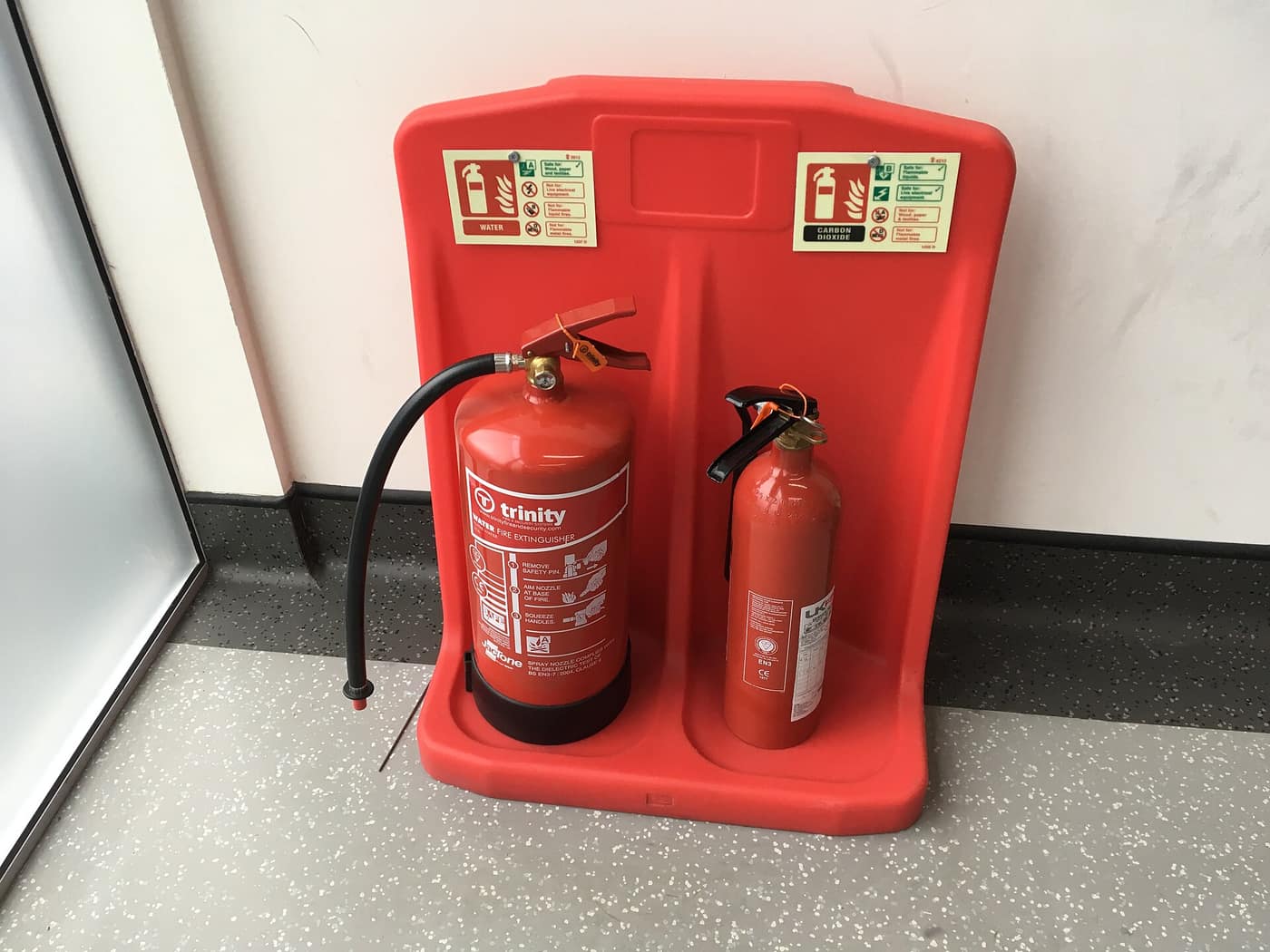
| Water | A only | Cools burning solids | Never on electrical, fat, oil, fuel or gas fires |
| Wet chemical | F, often A | Reacts with burning oil to form a soapy layer that seals and cools it | Not for electrical fires unless the label says so |
DCP: the all-rounder
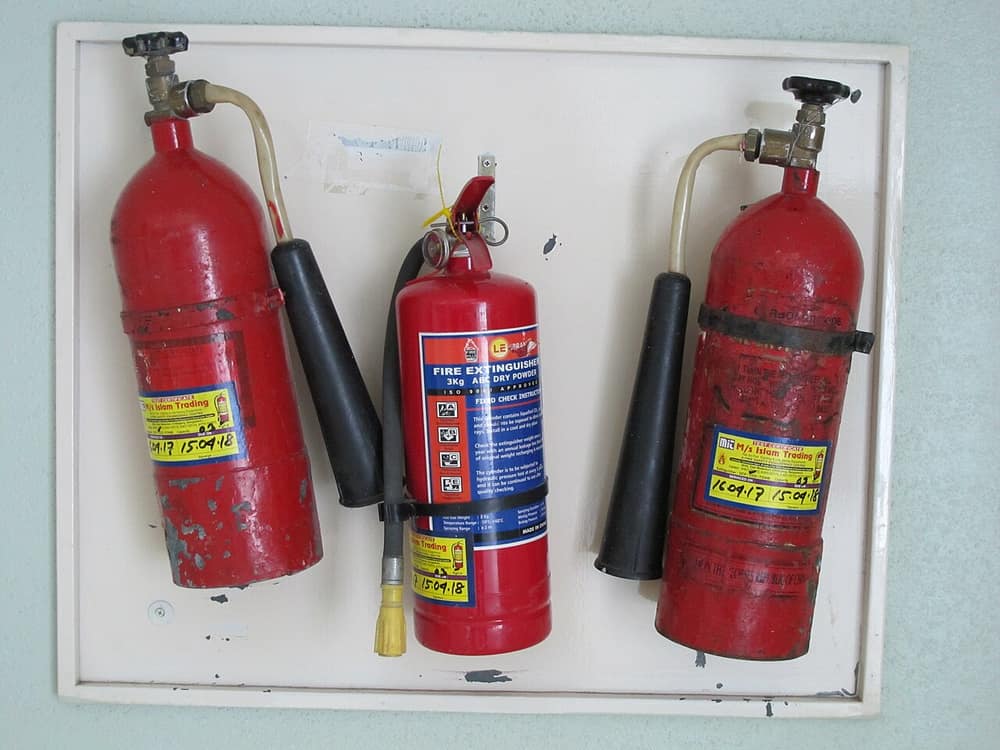
The ABC DCP extinguisher is the most common type in South African homes, cars and businesses because it covers the widest range of fires. The trade-off is the fine powder it leaves behind, which can damage electronics and is hard to clean up. It’s also the cheapest: at Arbor Safety (Nov 2026), a 2.5 kg ABC unit costs around R404. Our fire extinguisher guide covers sizes and where to mount one.
CO2: clean, but specialised
CO2 extinguishers leave no residue, which makes them a common choice near computers, server rooms and electrical boards. They’re less effective on burning solids, because once the gas disperses, hot material can re-ignite. You can spot one by its wide horn instead of a narrow nozzle. Expect to pay roughly double what a similar-sized DCP costs: a 2 kg CO2 unit is around R833 at the same supplier.
Foam and water
Water and foam extinguishers are mainly for class A fires (and foam for class B). They’re more common in offices and commercial buildings than in homes. Never use either on electrical equipment unless the label specifically allows it.
Wet chemical: for cooking oil
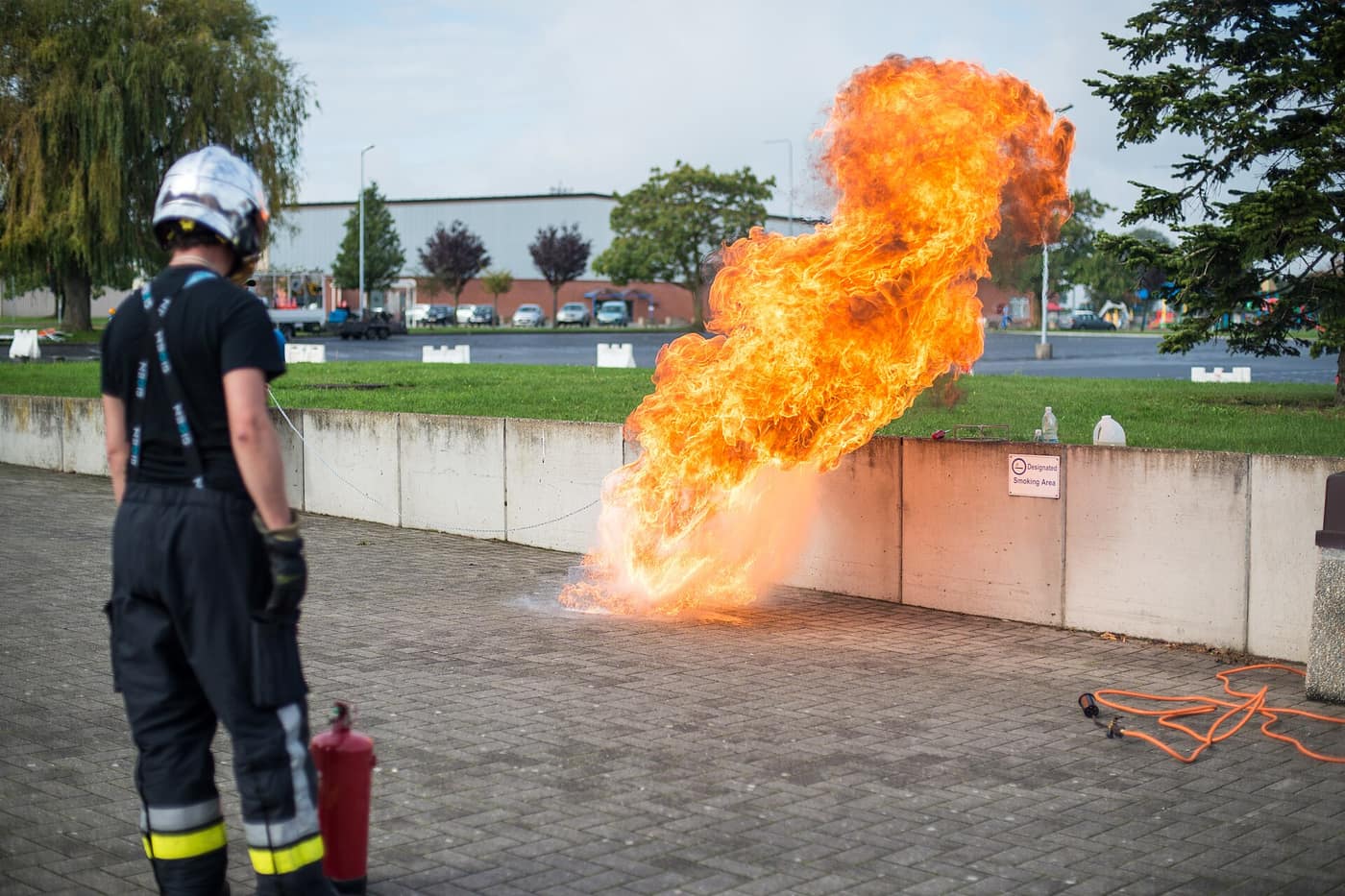
Burning oil is extremely dangerous because water turns instantly to steam and throws burning oil out of the pan. Wet chemical extinguishers are designed for class F fires and are standard in commercial kitchens. At home, a fire blanket is the simpler first line of defence for a pan fire, and much cheaper: a 6 l wet chemical unit is around R1,369 at Arbor Safety (Nov 2026).
Colour coding in South Africa: read the label
You may have seen charts showing coloured bands for each type, such as black for CO2, blue for powder, cream for foam and yellow for wet chemical. Those colours come from the UK and European convention, and some suppliers in South Africa use them on labels. We couldn’t confirm a single mandatory South African colour code, and in practice extinguishers here vary.
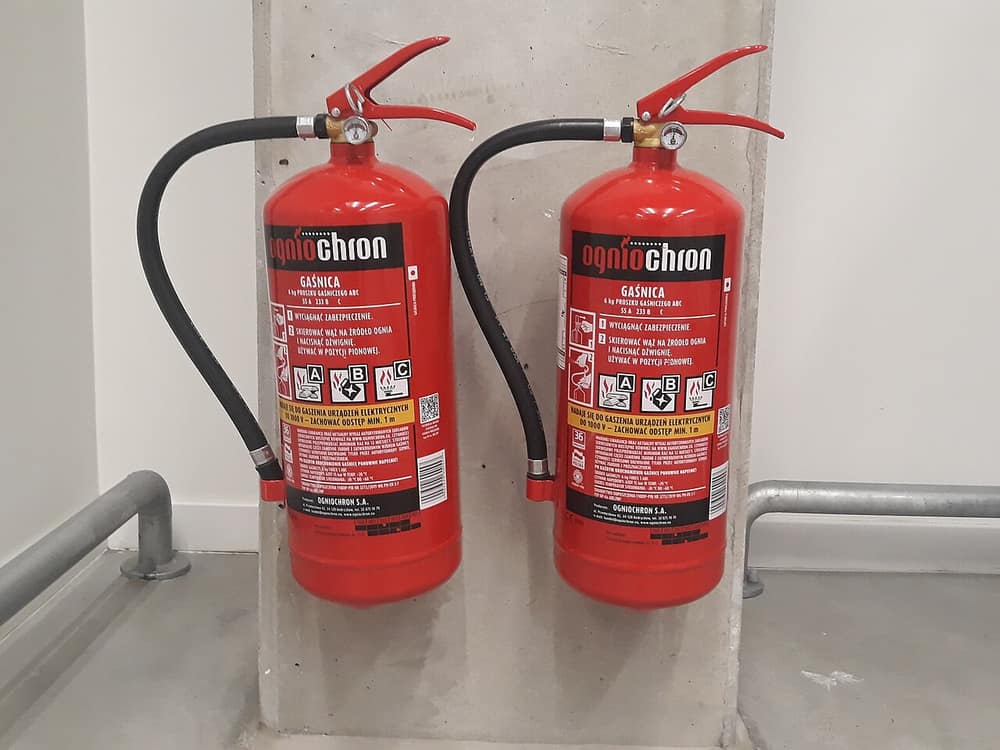
So don’t rely on colour. Every compliant extinguisher label should show:
- The agent (for example “ABC dry powder” or “carbon dioxide”)
- The fire classes it’s rated for, with letters and pictograms
- Whether it’s suitable for electrical equipment
- The mass or volume of agent, and operating instructions
- The manufacturer and the standard it’s certified to (portable extinguishers in buildings must comply with SANS 1910)
What the fire rating means
Many labels also carry a rating such as “5A/21B” (a figure listed for one local 1 kg DCP unit). The numbers refer to the size of the standard test fires the extinguisher put out: the A figure for burning solids, the B figure for flammable liquids. Higher numbers mean more firefighting power, which is a better way to compare two extinguishers than size alone.
Extinguishers worth knowing
These are one of each main type, all in stock at a South African supplier. For most homes, the DCP is the one to buy first.

Arbor Safety Co
2.5kg DCP Fire Extinguisher (Firemate)
The type most homes should start with. ABC powder covers solids, liquids and gas fires, and the supplier describes it as effective on electrical hazards.
- 2.5 kg ABC dry chemical powder
- Class A, B and C
- Supplier says it conforms to SANS 1910:2009 fire ratings
- Covers the widest range of fires
- The cheapest type per kilogram
- Messy powder residue
- Not for pans of burning oil

Arbor Safety Co
2kg CO2 Fire Extinguisher (Alloy Steel)
Clean carbon dioxide for studies, DB boards and server cupboards, where powder would do as much damage as the fire.
- 2 kg carbon dioxide
- For flammable liquids and electrical hazards
- Supplier lists SANS 1567 certification
- Leaves no residue
- Suited to electrical equipment
- Weak on burning wood, paper and fabric
- Horn gets extremely cold in use

Arbor Safety Co
6l Wet Chemical Fire Extinguisher
Made for class F fires in deep fryers. Worth it if you deep-fry often or run a busy outdoor kitchen; for most homes a fire blanket does the pan-fire job for far less.
- 6 litres wet chemical
- Class F (cooking oils and fats)
- Designed for deep-fryer fires
- Purpose-built for burning oil
- Cools and seals the oil surface
- The most expensive type here
- Not for electrical fires unless the label says so

Arbor Safety Co
9l Water Fire Extinguisher
A straightforward water unit for wood, paper and textiles, more at home in offices and buildings than in a house. Never on electrics, oil or fuel.
- 9 litres water
- Class A: wood, paper, textiles
- About 12.9 kg full
- Hose and horn
- No powder or chemical residue
- Effective on burning solids
- Dangerous on electrical, oil and fuel fires
- Heavy for its single class
Prices change often; check the retailer for the current price and stock. We may earn a commission if you buy through these links, at no extra cost to you. Star ratings are the store's own customer reviews, shown once a product has at least 3. How we choose products.
How to use a fire extinguisher: the PASS method
Before you start, check three things: everyone is out or leaving, someone is calling for help (112 from a cellphone, or your saved municipal fire number), and your exit is behind you.
- P – Pull the safety pin. This breaks the tamper seal.
- A – Aim the nozzle or horn low, at the base of the fire, where the fuel is. Spraying the flames does little.
- S – Squeeze the handle steadily.
- S – Sweep from side to side across the base of the fire until it’s out.
Tips that matter
- Start about two to three metres away and move closer as the fire shrinks. Follow the distance on the label.
- Small extinguishers run out fast. A small DCP unit can empty in seconds. If the fire isn’t clearly shrinking, stop and leave.
- Don’t turn your back on a fire that seems out. Back away towards the exit and watch for re-ignition.
- Outdoors, stand with the wind behind you, so powder or gas blows towards the fire, not into your face.
- CO2 horns get freezing cold. Hold the handle and the insulated part only.
- Call the fire brigade anyway, even if you put the fire out. Hidden embers in walls, ceilings or furniture can flare up later.
- Recharge or replace the extinguisher after any use.
For battery fires, don’t try at all. Our lithium battery fire safety guide explains why, and what to do instead.
Get trained if you can
Reading about PASS is useful, but squeezing an extinguisher for the first time during a real fire is hard. Many fire equipment companies and training providers run short practical courses, and some workplaces offer them to staff. If you get the chance, take it. Always follow the manufacturer’s instructions printed on your extinguisher.
FAQ
What are the main types of fire extinguisher?
Dry chemical powder (DCP), carbon dioxide (CO2), foam, water and wet chemical. DCP is the most common all-rounder for homes and cars, CO2 suits electrical equipment, and wet chemical is designed for cooking oil fires.
What does PASS stand for?
Pull the pin, Aim at the base of the fire, Squeeze the handle, and Sweep from side to side. Only use it on a small fire with a clear exit behind you.
Which extinguisher should never be used on an electrical fire?
Water, and foam unless the label specifically says it’s safe on electrical equipment. Switch off the power if it’s safe to do so, then use a CO2 or DCP extinguisher marked for electrical fires.
What colour is a CO2 fire extinguisher in South Africa?
In the UK convention, CO2 extinguishers carry a black band, and some local suppliers follow that. We couldn’t verify a single compulsory South African colour code, so read the label for the agent and fire classes rather than relying on colour.
Is class C an electrical fire?
Under the international classification most labels follow, class C is flammable gas and electrical suitability is shown separately. Some local suppliers use “C” or “E” for electrical, so always check the pictograms on the label.
Which fire extinguisher is best for a home?
An ABC dry chemical powder extinguisher, because it covers solids, liquids and gas fires and many are marked for electrical equipment. Pair it with a fire blanket in the kitchen for pan fires.

Nadia Pillay
Home fire safety writer
Writes our home fire safety guides, built on SANS standards, SAQCC rules and fire service advice.
More from Nadia →