We're independent: products are chosen on merit and prices come from the retailers' own sites. We may earn a commission if you buy through our links. Learn more.
Key takeaways
- Wors wants medium coals: you should manage 4–5 seconds with your hand about 10 cm above the grid.
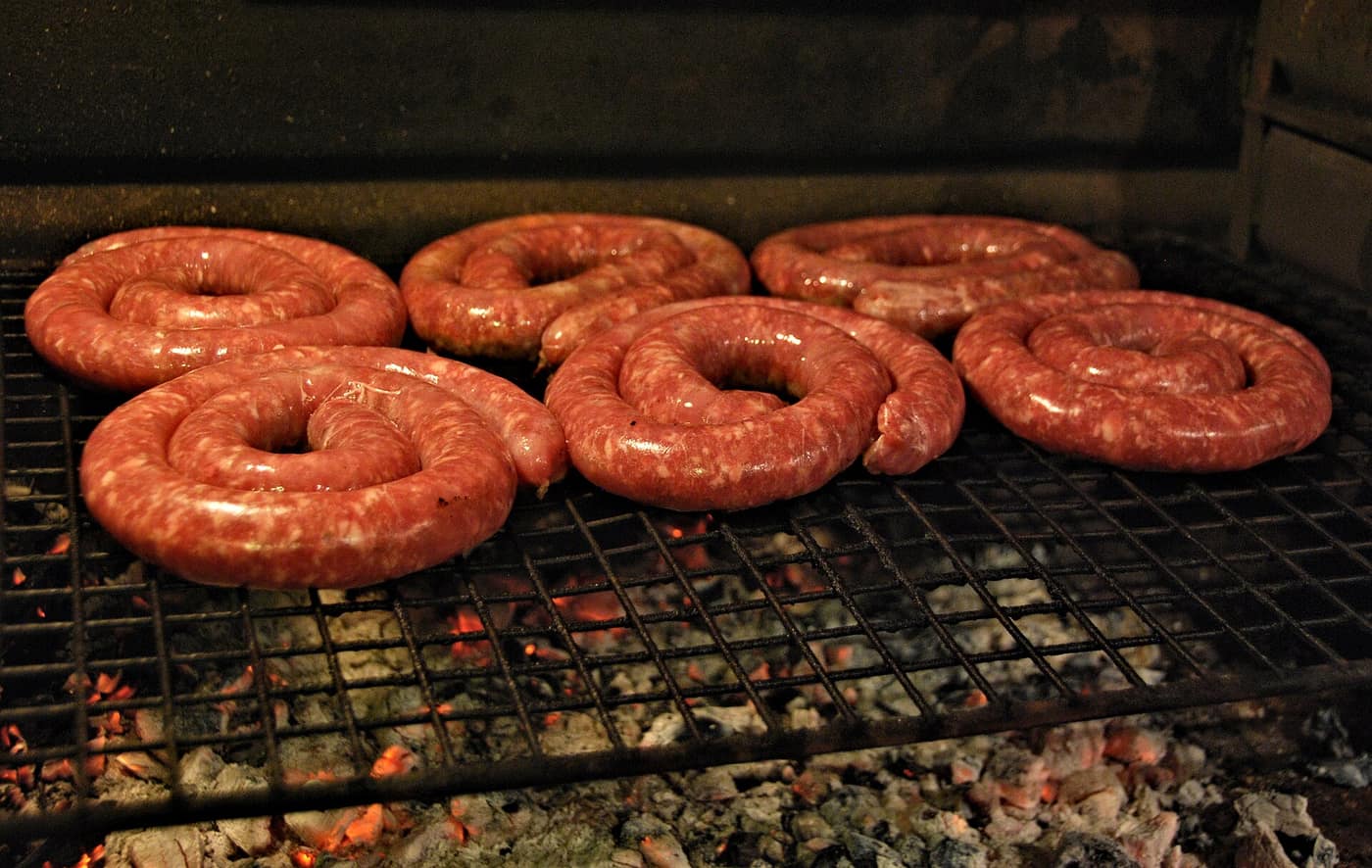
- A standard coil takes about 12–15 minutes in total. It's done when it's firm, browned and 71 °C in the middle.
- Never prick the casing. The fat and juices run out, the coals flare up and the wors dries out.
- Turn it often in a hinged grid, or slide two skewers through the coil so it turns in one piece.
- Real boerewors is legally defined: at least 90% meat and no more than 30% fat, so read the label on a cheap coil.
Boerewors is the one thing on almost every South African braai, and the one thing most often ruined. It goes on last, gets dumped over coals that are far too hot, gets stabbed with a fork “to let the fat out” and comes off burnt outside and dry inside, or split and still pink in the middle.
None of that is necessary. Wors is forgiving if you give it medium coals, leave the casing alone and turn it often. This guide covers how to buy good wors, how hot the fire should be, how long it takes, how to tell when it’s done, and how to turn it into a proper boerie roll.
Quick answer
| Step | What to do |
|---|---|
| Heat | Medium coals: 4–5 seconds with your hand about 10 cm above the grid |
| Before it goes on | Out of the fridge 15–20 minutes ahead; don’t prick, don’t salt |
| Grid | Hinged (toeklap) grid, or two skewers through the coil on a flat grid |
| Time | About 12–15 minutes in total for a standard coil, turning every 3–4 minutes |
| Done when | Firm when squeezed, browned all over, 71 °C in the thickest part |
| After | Rest 2–3 minutes, then cut into portions or roll lengths |
Thicker wors, a cold wind or tired coals all add time. Our braai timer counts down the turns for you.
Buying good boerewors
Good wors starts at the butcher, not the braai. A cheap coil that is mostly water, filler and fine-ground fat will shrink, spit and taste of salt no matter how carefully you cook it.
What the law says
“Boerewors” is a legally defined product in South Africa. Under the raw processed meat regulations published in 2022 under the Agricultural Product Standards Act, it must:
- be made from beef, mutton or lamb, pork or goat (or a mix of these) in an edible casing,
- contain at least 90% meat, with fat capped at 30%,
- contain no offal (except the casing itself), no mechanically recovered meat and no colourants.
Apart from the meat, only cereal or starch, vinegar, spices, herbs, salt, permitted food additives and water may go in. “Braaiwors” is a different product with a much lower bar: as little as 40% meat, and it may contain offal, soya protein, mechanically recovered meat and colourants. Both are legal; they’re just not the same thing, so read the label on a suspiciously cheap coil.
What to look for at the counter
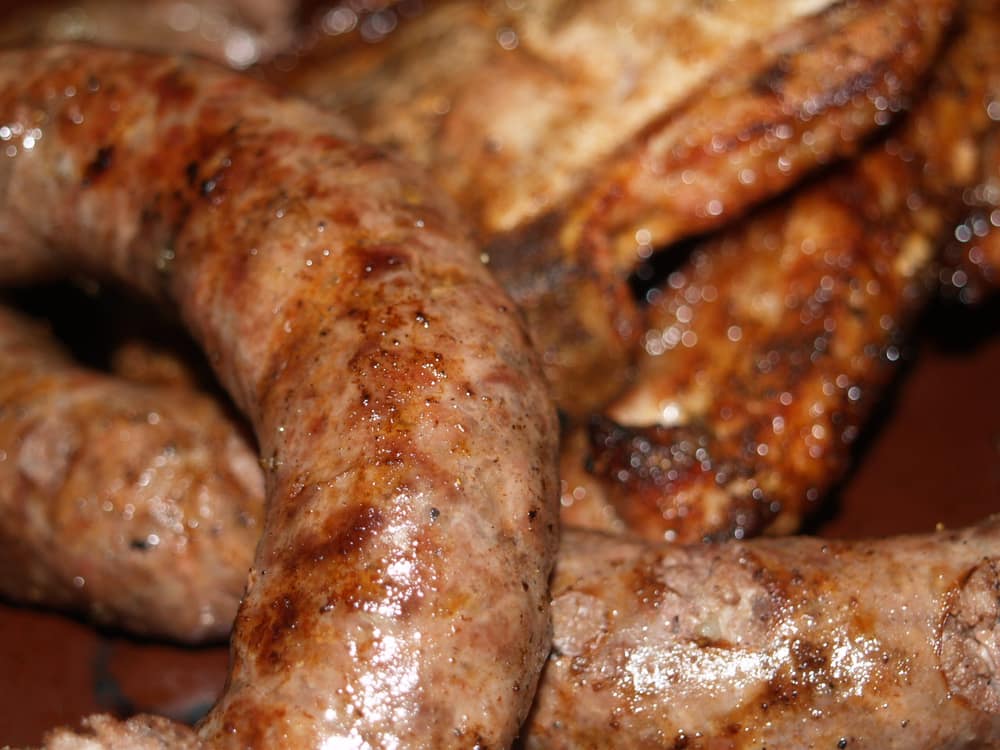
- A coarse grind. You should see separate bits of meat and fat, not a smooth pink paste.
- Visible flecks of spice. Coriander seed and black pepper should show through the casing.
- Natural casing. It browns better and has the snap people expect. Thin, plastic-looking casings tend to split.
- A fresh smell and colour. Red to dark pink, not grey, slimy or sour-smelling.
- The right kind for the job. Traditional beef-and-pork wors is the all-rounder; lamb or mutton wors is richer. Chicken and game sausages can’t legally be called boerewors (they’re sold as “chicken wors” or species sausage), and lean chicken sausage needs gentler heat so it doesn’t dry out.
- Not droëwors. Droëwors is a thin, air-dried snack made from a similar spice mix. It isn’t meant for the braai.
Storing it
Raw sausage keeps only a day or two in the fridge at 4 °C or colder, so buy it the day before the braai or freeze it. Frozen wors stays safe, but US food-safety guidance suggests using raw sausage within 1–2 months for the best quality. Thaw it in the fridge overnight rather than on the kitchen counter, and make sure it has thawed right through before it goes on the fire. Our braai meat per person guide has a storage table for the rest of the braai, plus how much wors to buy per person.
Get the heat right
Most ruined wors is cooked over coals that are too hot. The casing chars and splits in five minutes while the middle is still raw, and the fat that runs out sets off flare-ups that finish the job.
Build your fire as usual (here’s how to make a braai fire), wait for the coals to grey over, then do the hand test. Hold your palm about 10 cm above the grid and count:
- 2–3 seconds: too hot for wors. This is steak heat. Spread the coals out or wait.
- 4–5 seconds: right for wors.
- 6–7 seconds: fine for chicken, a bit slow for wors.
Some braai fundis do the opposite and cook a coil fast over a deep bed of very hot coals, turning it only once or twice. It works if you don’t take your eyes off it, but medium coals give you a far bigger margin for error.
On a mixed braai, wors usually goes on after the chicken and before the chops and steak, which works out well: by then the fiercest heat has settled to medium.
How to braai boerewors, step by step
- Take it out of the fridge 15–20 minutes ahead. A slightly less cold coil cooks more evenly. Don’t leave it out in the sun for an hour.
- Leave the casing alone. Don’t prick it, don’t score it, and don’t salt it. Good wors is already seasoned.
- Secure the coil. In a hinged grid, lay the coil flat and close the grid gently so it holds the wors without squashing it. On a flat grid or a kettle, push two long skewers through the coil at right angles so it turns as one piece.
- Put it over medium coals. It should sizzle steadily, not roar.
- Turn every 3–4 minutes. Use the grid handle or tongs, never a braai fork. Expect to turn it three or four times.
- Watch for flare-ups. If fat catches alight, lift the grid or move the wors to the cooler side for a moment. Don’t throw water on the coals; it blows ash onto the meat.
- Check that it’s done. After about 12–15 minutes it should be firm when squeezed with tongs and browned all over. Push a thermometer into the thickest part from the end: 71 °C means it’s cooked through.
- Rest it for 2–3 minutes, then cut it into portions on a board.
Why you shouldn’t prick boerewors
Pricking is the most common wors mistake, and it’s usually done with good intentions: people want to stop the casing bursting or let some fat out.
It backfires. The holes let the fat and juices, which are most of the flavour, drain onto the coals. That fat sets off flare-ups that blacken the outside, and what’s left inside dries out. If the casing keeps splitting, the fix is gentler heat, not holes. Splits happen when the inside heats faster than the casing can stretch.
The same goes for a braai fork. Every stab is a hole. Use tongs, or turn the whole grid.
How to tell when boerewors is done
| Sign | Undercooked | Done | Overdone |
|---|---|---|---|
| Feel | Soft and squishy | Firm, slight spring | Hard and stiff |
| Outside | Pale or patchy | Evenly browned | Black, split all over |
| Inside | Pink, wet | No pink, juicy | Grey and dry |
| Thermometer | Below 71 °C | 71 °C | Well past 75 °C |
Colour on its own can mislead you, which is why US food-safety guidance treats the thermometer reading as the real test. If you don’t have one, cut a piece from the thickest part of the coil and look. A wors that looks perfect outside and is pink inside goes back on the grid over the cooler side.
The boerie roll
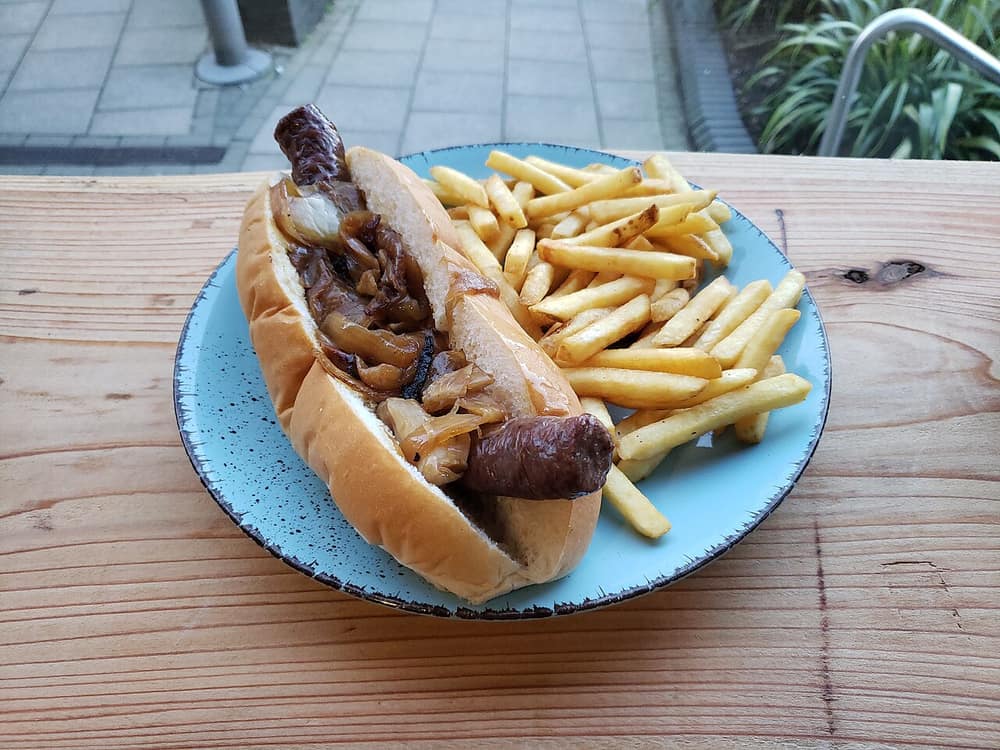
A boerewors roll is how most South Africans first met wors: at a school fete, a rugby match or a church fundraiser. It’s also the cheapest way to feed a crowd from the braai.
How to build one
- Cut the wors to roll length after it has rested. A standard hot dog roll takes a piece of about 15–20 cm.
- Warm the rolls. Toast the cut sides on the edge of the grid for a minute. Watch them, they burn fast.
- Add a relish. Tomato and onion relish (smoor or sheba), fried onions or chakalaka are the classics.
- Finish with a sauce if you like: tomato sauce, mustard or chutney.
For a bigger spread, our braai ideas guide has budget menus built around wors rolls, and braai salads covers the sides.
Kit that makes it easier
You can braai wors on any grid, but a hinged grid and a pair of decent tongs remove most of the ways it goes wrong, and a cheap thermometer removes the guesswork. Our braai grid guide compares grid types and materials in more detail.

Megamaster
Megamaster 430 x 330 Chrome Locking Folding Grid
A hinged grid that stays open by itself while you load it, then locks shut over the coil so the whole thing turns in one move. That's exactly what a big spiral of wors needs.
- 430 × 330 mm
- Chrome finish
- Stay-open, locking design
- Hands free while you lay the coil in
- Turns a whole coil without it unrolling
- Chrome isn't as durable as stainless at the coast

Megamaster
Megamaster 500 x 400 Stainless Steel Box Folding Grid
A bigger stainless box grid for when the wors shares the fire with chops or chicken. The box shape adjusts, so thick wors isn't squashed flat when you close it.
- 500 × 400 mm
- Stainless steel
- Adjustable box shape
- Fits two coils or wors plus chops
- Stainless and dishwasher-friendly
- Heavy to turn when it's fully loaded

Megamaster
Megamaster Meat Thermometer
Wors is minced meat, so it has to be cooked through. A cheap probe pushed into the end of the coil settles the argument in a few seconds.
- Stainless steel probe
- Celsius and Fahrenheit
- Reads up to 280 °C
- Costs less than a kilo of good wors
- No batteries or app to fuss with
- Analogue dial, slower to read than a digital probe

Megamaster
Megamaster Heavy Duty Tong
If you braai wors on a flat grid, you turn it with tongs, never a fork. These are sturdy stainless tongs with a firm grip on a heavy coil.
- Stainless steel
- Heavy-duty build
- Turn wors without piercing the casing
- Strong enough for chops and chicken too
- Pricier than basic tongs
Prices change often; check the retailer for the current price and stock. We may earn a commission if you buy through these links, at no extra cost to you. Star ratings are the store's own customer reviews, shown once a product has at least 3. How we choose products.
FAQ
How long do you braai boerewors?
About 12–15 minutes in total over medium coals for a standard coil, turning every 3–4 minutes. Thick wors, wind or tired coals can stretch that to 20 minutes, so go by firmness and a thermometer reading of 71 °C rather than the clock.
Should you prick boerewors before braaiing?
No. Pricking lets the fat and juices run out, which causes flare-ups and dry wors. If the casing keeps splitting, your coals are too hot.
How do you know when boerewors is cooked?
It’s firm when squeezed, evenly browned and has no pink inside. The surest test is a meat thermometer: 71 °C in the thickest part.
Can you braai frozen boerewors?
It’s better to thaw it in the fridge overnight first. Frozen wors browns and splits on the outside long before the middle is cooked through.
What is the difference between boerewors and braaiwors?
Boerewors has to meet a legal standard of at least 90% meat with no more than 30% fat, and no offal, soya or mechanically recovered meat. Braaiwors can contain as little as 40% meat and may include all of those, which is why it’s cheaper.
How long does boerewors last in the fridge?
About 1–2 days at 4 °C or colder. If the braai is further away than that, freeze it and thaw it in the fridge overnight.

Johan Botha
Braai & outdoor editor
Writes our braai, fire pit and pizza oven guides. Firmly in the wood-fire camp, but owns up to a gas braai for weeknights.
More from Johan →