We're independent: products are chosen on merit and prices come from the retailers' own sites. We may earn a commission if you buy through our links. Learn more.
Key takeaways
- If you burn wood regularly, have the chimney swept at least once a year, ideally before winter.
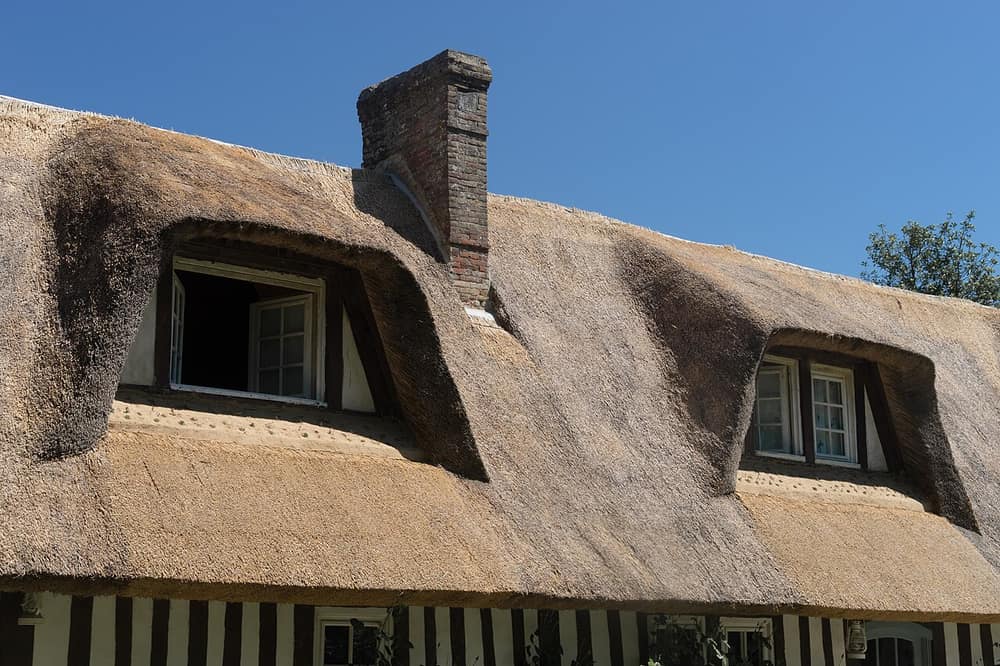
- Creosote from wood smoke is flammable. A thick layer can cause a chimney fire, and thatched roofs are especially at risk.
- Smoke in the room, a tarry smell, falling soot or a stove glass that blackens fast all mean it's time to call a sweep.
- You can clean the firebox, grate and glass yourself; the flue sweep and inspection are best left to a professional.
- Dry hardwood and a fire that isn't left to smoulder keep the chimney cleaner for longer.
Most chimney problems start quietly. The fire is a bit harder to light than last year, there’s a faint tarry smell on hot days, and a little soot drifts down onto the grate. By the time smoke is curling back into the lounge, the flue has usually needed attention for a while.
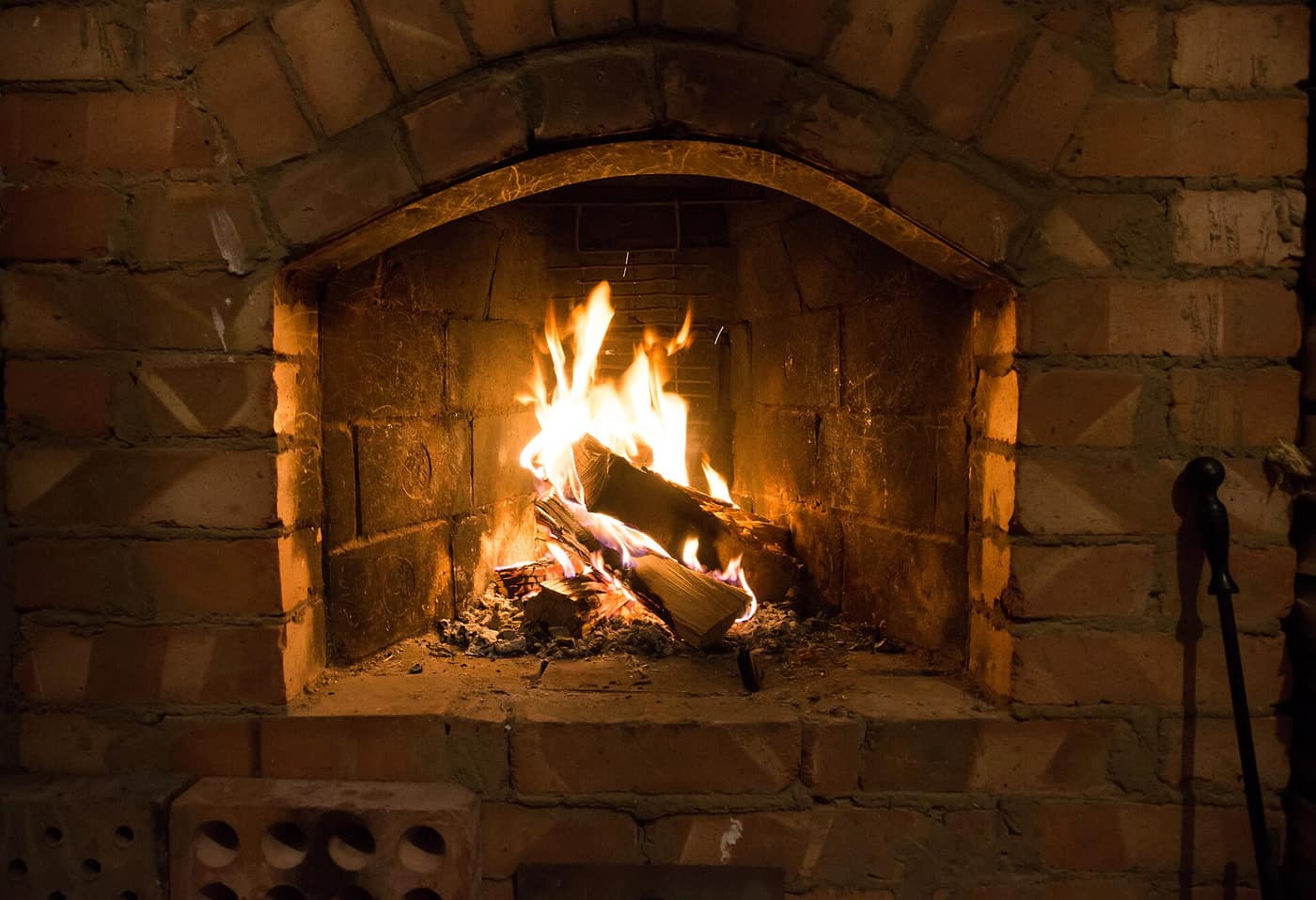
A wood-burning fireplace or stove leaves soot and creosote inside the chimney, and that build-up can block the flue or catch fire. Most homes that burn wood regularly should have the chimney swept at least once a year, ideally before winter, and more often if you use the fire a lot. This guide covers why it matters, how often to sweep, the warning signs, how to clean a fireplace yourself, and what a professional chimney sweep does that you can’t.
How often should a chimney be swept?
| How you use it | Suggested sweeping frequency |
|---|---|
| Wood fire most winter evenings (Highveld, Free State, Karoo) | At least once a year, before winter; consider a mid-season check if you burn heavily |
| Occasional wood fires (coastal areas, weekends only) | Once a year, or every couple of years for very light use, with an annual inspection |
| Closed combustion stove burning dry hardwood | At least once a year |
| Burning wet or soft wood, or often smouldering the fire | More often: these produce more creosote |
| Unused for a few years, or newly bought house | Inspect and sweep before the first fire |
| Gas fireplace (flued) | No soot sweeping as such, but have the flue and appliance checked by a registered gas installer as the manufacturer recommends |
These are general guidelines. Always follow the manufacturer’s maintenance recommendations for your fireplace or stove.
Why chimneys need cleaning
- Chimney fires. Creosote is a tar-like residue from wood smoke. It’s flammable, and a thick layer can ignite inside the flue, sometimes with enough heat to damage the chimney or set the roof alight.
- Carbon monoxide. A blocked or narrowed flue can push smoke and CO back into the room.
- Poor draw. Soot, bird nests and debris restrict airflow, so the fire smokes, struggles to light and gives less heat.
- Damage. Moisture plus soot is corrosive, and a sweep can spot cracked masonry, rusted flue pipes and failing cowls early.
Warning signs your chimney needs attention
- Smoke coming into the room, or the fire is harder to light and keep going than it used to be
- A strong smoky or tarry smell from the fireplace, especially in hot or humid weather
- Black, flaky or shiny tar-like deposits in the firebox, on the damper or at the base of the flue
- Soot falling into the fireplace
- Glass on a closed combustion unit blackening quickly
- Signs of birds or nests at the top of the chimney
- Rust, cracks or loose bricks on the chimney, or water stains on the ceiling around the flue
Signs of a chimney fire, and what to do
A loud roaring or rumbling sound, dense smoke, a strong hot smell, or flames and sparks shooting from the top of the chimney.
If you think the chimney is on fire:
- Get everyone out of the house.
- Call the fire department.
- If it’s safe, close the stove door and air controls, or the fireplace damper, to starve the fire of air.
- Don’t pour water into a hot stove or flue.
- Don’t use the fireplace again until it’s been inspected.
Keep a fire extinguisher in the home and make sure everyone knows where it is.
DIY: how to clean a fireplace
You can safely clean the parts you can reach. Always wait until the fire has been out for at least a day and the ash is completely cold.
You’ll need: a metal ash bucket with a lid, a small shovel and hand brush, a dust mask, gloves, old sheets or drop cloths, and a stiff brush.
- Protect the room. Lay drop cloths around the hearth and move rugs and furniture back.
- Remove the ash. Scoop it into a metal bucket and put it outside, away from the house.
- Brush the firebox. Brush soot off the walls and floor of the firebox and the grate.
- Check the damper (on open fireplaces) for soot build-up, and make sure it opens and closes freely.
- Clean the glass on a closed combustion unit when cool, using a cleaner made for stove glass. See how to clean fireplace glass for the step-by-step method.
- Look up the flue with a torch. If you see thick, flaky or shiny tar-like deposits, call a sweep.
Should you sweep the chimney yourself?
DIY chimney rod and brush kits exist, but sweeping is messy, often involves working on the roof, and doesn’t include the inspection a professional does. Glazed, shiny creosote may need specialised tools to remove. For most homeowners, especially with steep roofs, thatch or tall chimneys, a professional sweep is the safer choice.
DIY cleaning vs a professional sweep
| DIY cleaning | Professional chimney sweep | |
|---|---|---|
| Firebox, grate and glass | Yes | Yes |
| Full flue sweep | Possible with rod kits, but messy | Yes, with rods, brushes and vacuums |
| Glazed creosote removal | Difficult | Specialised tools |
| Inspection of flue, cowl and roof seals | Limited | Yes |
| Bird nest and blockage removal | Only if reachable | Yes |
| Roof work | Risky | Done with proper equipment |
| Cost | Your time | Entry to mid price band, depending on access and condition |
What a professional chimney sweep does
A good sweep will typically seal the fireplace opening, sweep from below or above, vacuum the soot, check the cowl and flashing, and tell you about any damage. Ask for a short written report or photos, especially if you’re buying or selling a house or need it for your insurer.
If the inspection shows a damaged chimney or the wrong flue size, you may need repairs or an upgrade. New or altered fireplaces and chimneys fall under Part V (Space heating) of the National Building Regulations, with SANS 10400-V as the deemed-to-satisfy standard, and may need municipal plan approval. Get quotes from fireplace installers and chimney specialists.
Kit for keeping the fireplace clean
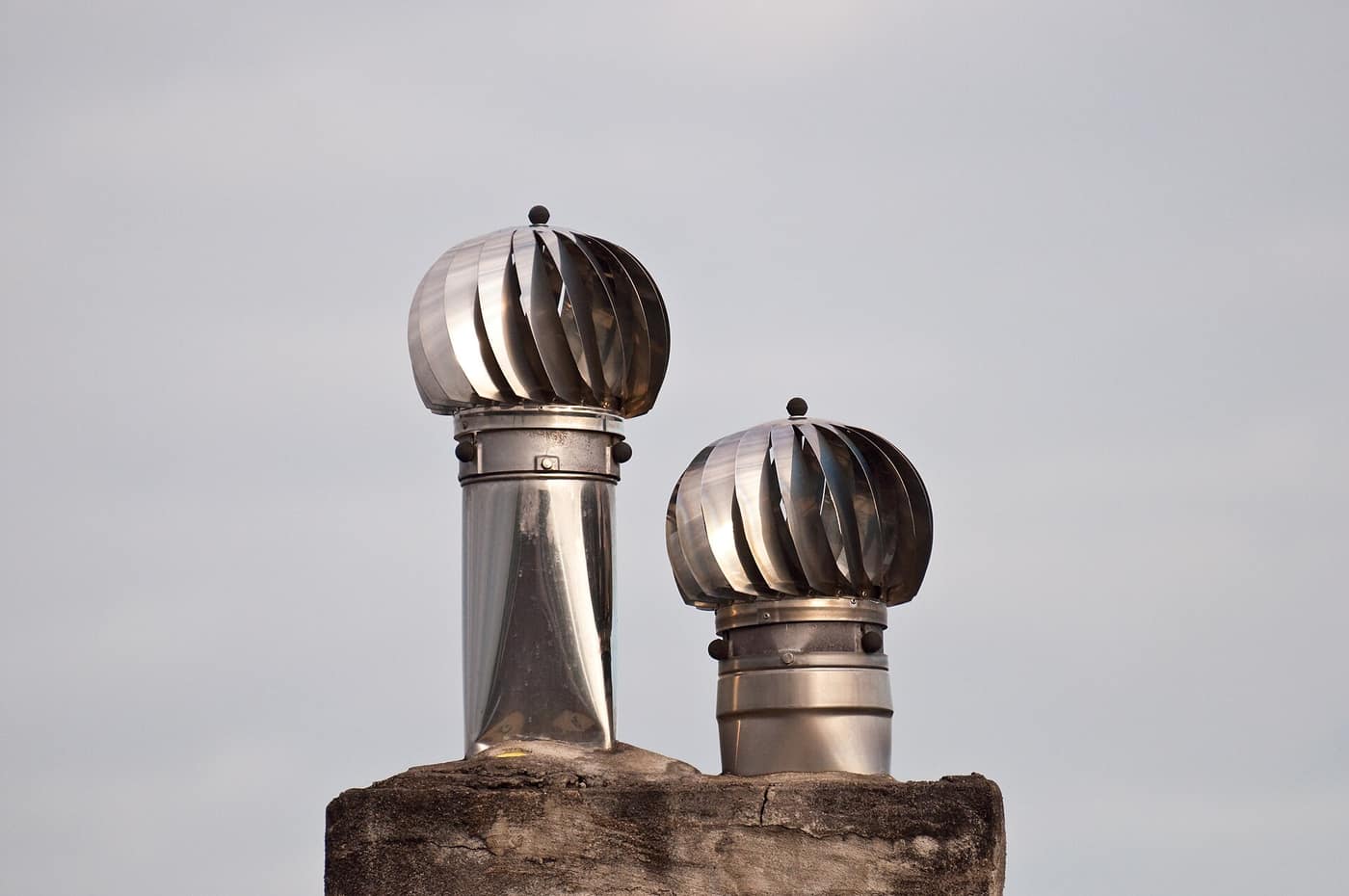
A proper tool set and a metal pan handle the routine jobs, and a cowl that suits your flue keeps out rain and birds between sweeps. Prices were checked in November 2026. Cowls come in specific flue sizes, so measure yours (or ask your installer) before you buy.

Megamaster
LUX 5-PIECE FIREPLACE TOOLSET
Brush, shovel, tongs and poker on a weighted stand, which covers the weekly ash-and-soot jobs you can safely do yourself.
- Brush, shovel, tongs and poker
- Stand with heavy-duty base
- Four-slot top rack
- Everything for firebox cleaning in one set
- Stand keeps tools tidy on the hearth
- Not for sweeping the flue itself

Megamaster
Megamaster Dust Pan and Brush
A small mild steel pan and brush that gets into the corners of a firebox or braai. Mild steel, so it stands up to gritty ash better than a plastic pan.
- Mild steel
- Dustpan and brush
- Compact size for corners
- Cheap and practical
- Small enough for a stove firebox
- Only for cold ash; it's not a full tool set

HomeFires
Homefires HIGH WIND FIXED COWL – single wall – black or stainless steel – 150mm
A slip-on high wind cowl for a 150 mm single-wall flue, to help with downdrafts and keep rain out of the pipe.
- 150 mm, single wall
- Stainless steel or black
- Slip-on, fits directly onto flue
- No moving parts
- Simple slip-on fitting
- Only fits a 150 mm single-wall flue
- Doesn't replace a proper sweep

Jetmaster
Jetmaster Ø 150 mm Turbo Cowl Round Base Mild Steel – Black
A turbo (rotating) cowl for a 150 mm round flue. Jetmaster sells the same design in sizes from 125 mm up, so match it to your flue.
- Ø 150 mm round base
- Rotating turbo cowl
- Mild steel, black
- Wide size range to match your flue
- Helps keep rain and birds out
- Mild steel needs checking for rust, especially at the coast
Prices change often; check the retailer for the current price and stock. We may earn a commission if you buy through these links, at no extra cost to you. Star ratings are the store's own customer reviews, shown once a product has at least 3. How we choose products.
How to keep your chimney cleaner for longer
- Burn dry, seasoned hardwood. Wet wood produces far more smoke and creosote. Our braai wood guide covers good local hardwoods and how to tell if wood is dry.
- Never burn treated or painted timber, pallets with chemical treatment, plastic, cardboard boxes or rubbish.
- Avoid smouldering fires. On a closed combustion fireplace, run the fire hot for a while after lighting and don’t close the air controls right down overnight.
- Fit a cowl with a mesh to keep birds and rain out.
- Fit smoke and CO alarms near the fireplace (see smoke and CO detectors).
FAQ
How do I know if my chimney needs cleaning?
Smoke coming into the room, a fire that’s hard to light, a tarry smell, falling soot and black, flaky or shiny deposits in the flue are all signs. If you’ve had a full winter of regular fires since the last sweep, it’s due.
Do I need to sweep a chimney I hardly use?
Yes, at least periodically. Even an unused chimney can be blocked by bird nests, debris or crumbling masonry. Have it inspected before you light the first fire of the season.
Can I use a chemical chimney-cleaning log instead of a sweep?
Products like these may help loosen some deposits, but they don’t replace a physical sweep and inspection. Follow the product instructions and still have the chimney swept regularly.
Do gas fireplaces need chimney cleaning?
Gas burns much more cleanly than wood, so there’s little soot. Flued gas fireplaces still need their flue and appliance checked by a registered gas installer, as the manufacturer recommends. Our fireplace guide explains the differences between fireplace types.
What should I do with fireplace ash?
Let it cool completely in a lidded metal bucket outside, away from the house. Embers can stay hot for a long time, so never tip fresh ash into a plastic bin.

Lize van Wyk
Heating & fireplaces writer
Covers gas heaters, fireplaces and keeping a South African home warm through winter and load shedding.
More from Lize →