We're independent: products are chosen on merit and prices come from the retailers' own sites. We may earn a commission if you buy through our links. Learn more.
Key takeaways
- A closed combustion fireplace burns wood in a sealed box with air controls, so far more heat stays in the room than with an open fire.
- Size it properly: too small won't keep up on a cold night, too big ends up smouldering and soots up the glass and flue.
- The flue matters as much as the stove. Use the diameter the manufacturer specifies and keep the stated clearances from timber and thatch.
- Installation falls under SANS 10400-V and may need municipal plans. Some importers only honour warranties with an approved installer.
- Burn dry hardwood, don't shut the air right down overnight, and have the flue swept at least once a year.
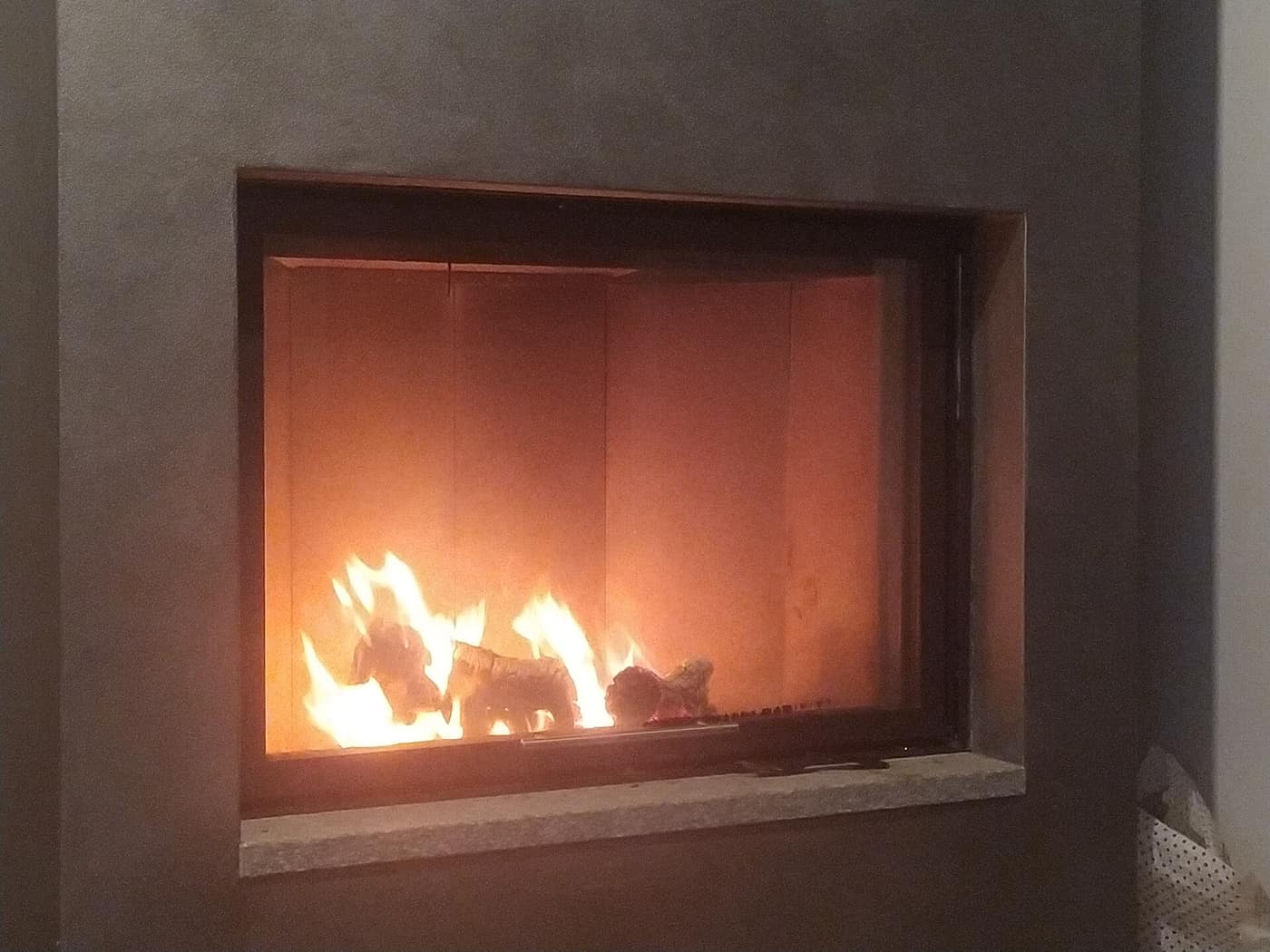
If you’ve ever sat in front of an open fire with your face roasting and your back freezing, you already understand the problem a closed combustion fireplace solves. It’s a sealed wood-burning stove or firebox with a glass door and adjustable air controls, which lets you burn wood slowly and keep most of the heat in your home instead of sending it up the chimney.
It’s the most effective way to heat a living area with wood, and it keeps working through load shedding. This guide explains how they work, how to choose the right size, what the flue and installation involve, and how to get the best out of one once it’s in.
Closed combustion vs open fireplace
| Open fireplace | Closed combustion fireplace | |
|---|---|---|
| Heat into the room | Low; most heat goes up the chimney | High; designed to keep heat in the room |
| Typical efficiency (approximate) | Often quoted at roughly 10–30% | Often quoted at 60% or more by manufacturers |
| Wood use | High | Much lower for the same heat |
| Burn control | Little | Adjustable air controls |
| Smoke into the room | More likely, especially with downdrafts | Rare when correctly installed |
| Safety | Sparks and embers can escape | Sealed door contains the fire |
| Ambience | Full open flame and crackle | Flame visible through glass |
| Load shedding | Works | Works |
Efficiency figures vary by source, model and how you burn, so treat them as a rough guide and compare manufacturers’ published ratings for specific models.
How a closed combustion fireplace works
In an open fireplace, the fire pulls in as much room air as it likes and sends most of the heat up the chimney. A closed combustion unit controls the air instead:
- Primary air feeds the fire from below or the front to get it going.
- Secondary (and sometimes tertiary) air comes in higher up, so the smoke and gases from the wood burn as well. That means more heat, a cleaner burn and less soot.
- Airwash systems direct air down over the glass to help keep it clear.
- A steel or cast iron body absorbs heat and radiates it into the room, while many units also have convection channels that push warm air out.
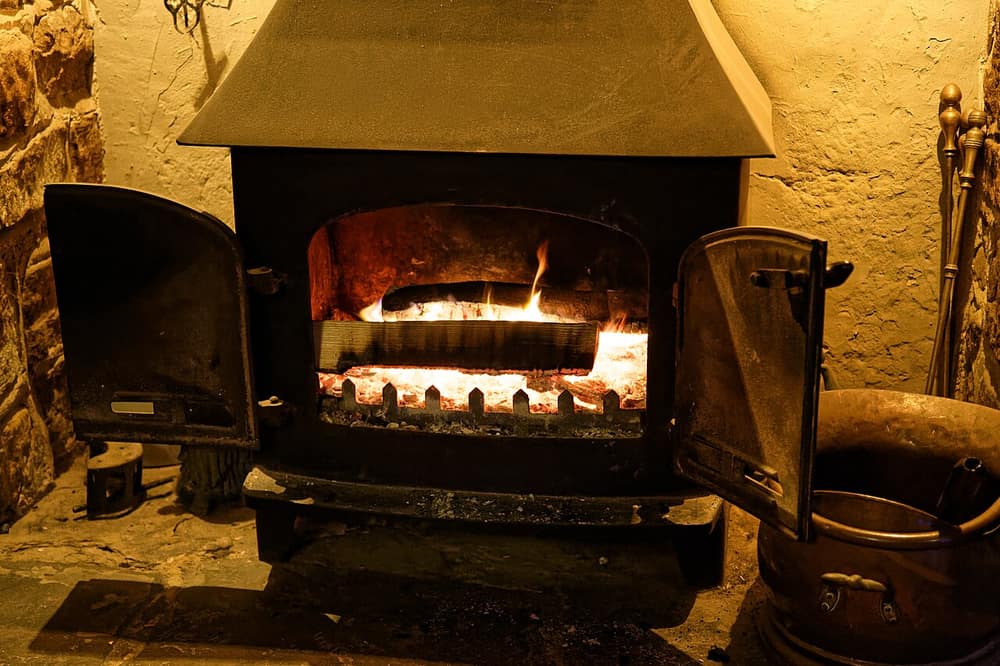
Because you can turn the air controls down, a load of wood burns for longer at a steady heat. That’s why they’re often called slow combustion fireplaces, and why the freestanding versions are known as wood stoves.
Types of closed combustion fireplace
- Freestanding wood stoves stand on a non-combustible hearth with a flue through the roof or wall. They radiate heat in all directions and are often the easiest retrofit.
- Built-in units sit in a wall, chimney breast or custom cladding for a seamless look.
- Inserts slide into an existing open fireplace, converting it into a closed system with a steel flue liner.
- Double-sided units have glass on two sides to heat two rooms.
Cast iron or steel?
| Cast iron | Steel | |
|---|---|---|
| Heat-up | Slower | Faster |
| Heat after the fire dies down | Holds and radiates heat for longer | Cools faster |
| Look | Traditional, detailed castings | Clean, modern lines |
| Weight | Heavy | Lighter |
Sizing: how many kW do you need?
Closed combustion fireplaces are rated in kilowatts (kW), and suppliers usually give a recommended heating area. Getting the size right matters:
- Too small and it won’t keep the room warm on a cold night.
- Too big and you’ll either overheat the room or keep the air controls closed so much that it smoulders, which produces more soot and creosote and dirties the glass.
Things that push you towards a larger unit: Highveld or Free State winters, high or vaulted ceilings, large windows, open-plan layouts and poor insulation. Coastal homes and well-insulated rooms can often use less.
For a feel of the range, here’s what some models on sale locally are rated at:
| Model | Output | Manufacturer’s heating area |
|---|---|---|
| Wiking S4 | 5–7 kW | Not stated |
| Megamaster Komati | 6 kW | Up to 60 m² |
| Wiking ME086 | 9–11 kW | Not stated |
| HomeFires FLAMM 750 | 11–14 kW | Not stated |
| Megamaster Ontario | 12 kW | 96–120 m² |
| HomeFires FLAMM I1000 | 14–17 kW | Not stated |
The flue
The flue is as important as the fireplace itself.
- Use the flue diameter the manufacturer specifies; don’t reduce it.
- The flue must reach the required height above the roof to draw properly and clear turbulence.
- Keep the stated clearances from combustible materials such as timber ceilings, roof trusses and thatch. Where the flue passes through a ceiling or roof, it needs the correct insulated or ventilated fittings.
- A cowl helps prevent downdrafts and keeps rain out.
- In coastal areas, ask about flue materials suited to salty air.
Installation and approvals
A closed combustion fireplace isn’t a DIY job. A proper installation includes a non-combustible hearth, correct clearances, a properly sealed and supported flue, and roof flashing that won’t leak.
In South Africa, fireplaces, flues, chimneys and hearths fall under Part V (Space heating) of the National Building Regulations, with SANS 10400-V as the deemed-to-satisfy standard. A new fireplace or flue may need plans approved by your municipality, so check with your local building control office. Estates and body corporates often have their own rules too.
Some importers only honour warranties when an approved installer does the work, so ask about this before you buy. When you’re ready, get quotes from fireplace installers.
Brands sold in South Africa
Closed combustion fireplaces sold locally include ranges from Jetmaster, Megamaster, HomeFires (FLAMM), Wiking, Hydrofire and Calore, alongside other local manufacturers and importers. You’ll find them at specialist fireplace showrooms, braai and fireplace stores, some hardware and home improvement chains, and online. When comparing, look at:
- kW output and recommended heating area
- Body material (steel or cast iron) and warranty
- Secondary combustion and airwash
- Flue diameter and whether a flue kit is included
- Whether the price includes installation
Price bands run from entry-level steel stoves through mid-range branded units to premium designer and imported models.
Wood stoves worth buying
From a compact lounge stove to a cast iron unit for a big open-plan space. Prices were checked in November 2026 and are for the unit only.

Megamaster
Megamaster Komati Closed Combustion Fireplace
A modest 6 kW stove that Megamaster rates for areas up to 60 m², which suits a typical lounge or a well-insulated open-plan space.
- 6 kW heat output
- Heats up to 60 m² (manufacturer)
- Mild steel body
- Stay-cool handle
- Sensible size for an average lounge
- Stay-cool handle for loading wood
- Too small for big open-plan Highveld homes
- Flue and installation are extra

Wiking
WIKING S4 5-7Kw – Slow Combustion Fireplace
A compact cast iron slow combustion stove in the 5–7 kW range. Cast iron holds its heat for longer after the fire dies down.
- 5–7 kW
- Cast iron
- Freestanding, wood burning
- Unit only (flues sold separately)
- Cast iron at a mid-range price
- Compact for smaller spaces
- Not enough output for very large rooms
- Flues and accessories sold separately

Megamaster
Ontario 12kW Cast Iron Fireplace
A 12 kW cast iron closed combustion fireplace that Megamaster rates for rooms of 96–120 m². This is the one for big open-plan living areas and cold winters.
- 12 kW
- Heats 96–120 m² (manufacturer)
- Cast iron
- Closed combustion
- Lots of heat for the price
- Cast iron keeps radiating after the fire burns down
- Overkill (and prone to smouldering) in a small room
- Heavy: check your floor and hearth

HomeFires
FLAMM 750 on Log Base – Closed Combustion Freestanding Fireplace (11 – 14kW)
A design-led freestanding stove on a log-storage base, with the output for a large living area. You pay more for the looks, and the log base keeps dry wood at hand.
- 11–14 kW
- Freestanding on log base
- Closed combustion, wood burning
- Unit only (flues sold separately)
- Built-in log storage
- Output for large rooms
- Premium price
- Flues and accessories sold separately
Prices change often; check the retailer for the current price and stock. We may earn a commission if you buy through these links, at no extra cost to you. Star ratings are the store's own customer reviews, shown once a product has at least 3. How we choose products.
Using a closed combustion fireplace well
- Burn dry hardwood only. Wet wood smokes, wastes heat and blackens the glass. Our braai wood guide covers good local hardwoods and how to tell if wood is dry.
- Start with the air controls open until the fire is well established, then turn them down gradually.
- Don’t let it smoulder all night with the air fully closed. This is what builds up creosote.
- Clean the glass when cool, with a product suited to stove glass. Our guide on how to clean fireplace glass covers the newspaper-and-ash method and what never to use.
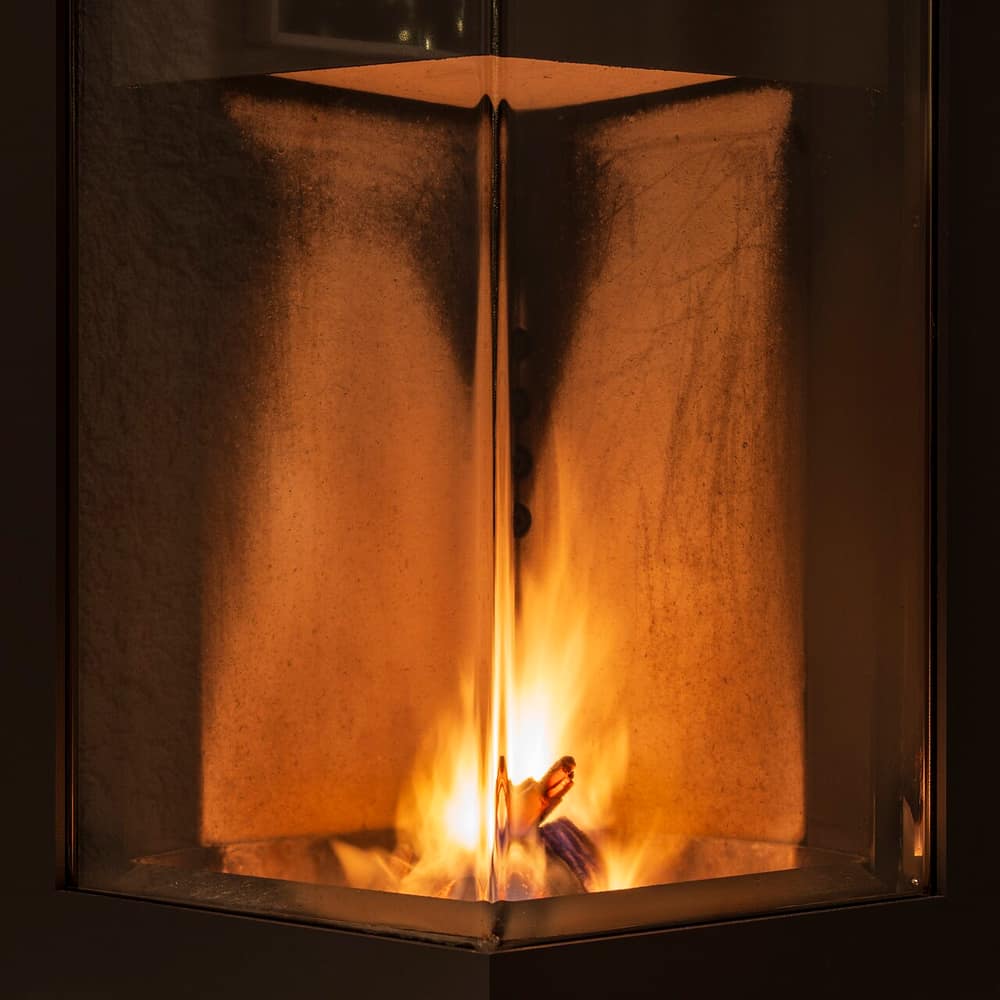
- Empty ash regularly, leaving a thin bed if your model burns best on one. Put ash in a metal container outside; embers can stay hot for a long time.
- Have the flue swept at least once a year. Our chimney cleaning guide explains the signs and the process.
- Fit a CO alarm in the room. See smoke and CO detectors.
FAQ
What is the difference between closed combustion and slow combustion?
In everyday South African usage, they mean the same thing: a sealed wood fireplace with air controls that let you slow the burn. “Wood stove” usually refers to the freestanding version.
Can I install a closed combustion fireplace in my existing fireplace?
Often, yes, with an insert and a steel flue liner run up the existing chimney. An installer needs to check the chimney’s condition and size first.
Is a closed combustion fireplace safe with a thatch roof?
It can be installed under thatch, but it needs specific precautions around the flue, spark arrestors and clearances. Use an experienced installer, check the requirements with your municipality, and tell your insurer.
How much wood does a closed combustion fireplace use?
Much less than an open fire for the same heat, because you control the burn rate. Exactly how much depends on the unit’s size, the wood and how cold it is.
Does a closed combustion fireplace work in load shedding?
Yes. It burns wood and needs no electricity, so it keeps heating when the power is off.

Lize van Wyk
Heating & fireplaces writer
Covers gas heaters, fireplaces and keeping a South African home warm through winter and load shedding.
More from Lize →