We're independent: products are chosen on merit and prices come from the retailers' own sites. We may earn a commission if you buy through our links. Learn more.
Key takeaways
- Choose your fuel first (charcoal or gas), then the size, then the extras worth paying for.
- The 57cm charcoal kettle is the classic family size; the Original is the simple one, the Master-Touch adds convenience features.
- For gas, the Spirit is the mainstream family range, the Q and Traveler are compact, and the Genesis is the big premium range.
- Weber closed its South African online store on 16 August 2026, so buy through a dealer and keep the receipt: a warranty claim needs proof of purchase and the serial number.
Say “Weber” at a South African braai and most people picture the same thing: a round black kettle, lid on, smoke curling out of the top vent. That kettle is still the heart of the range, but Weber’s local line-up also covers gas braais from balcony-sized to outdoor-kitchen-sized, small portable models, a smoker and a ceramic kamado.
That breadth is useful, and also confusing. This guide sorts the range into families, explains who each suits, compares kettle and gas, and covers the accessories and care that keep a Weber going for years. It’s neutral: we don’t sell Weber, and we’ll point out where a cheaper option makes more sense. For the main local alternative, see our Megamaster braai guide.
Quick answer: which Weber should you look at?
| You want… | Look at | Fuel |
|---|---|---|
| One versatile braai for the family | 57cm Original Kettle or Master-Touch | Charcoal |
| A kettle on a tighter budget | Compact Kettle (47cm or 57cm) | Charcoal |
| Picnics, camping, a tiny balcony | Smokey Joe or Go-Anywhere | Charcoal (Go-Anywhere also comes in gas) |
| Weeknight gas braais for a family | Spirit | Gas |
| Gas on a balcony or in a caravan | Q or Traveler | Gas |
| A full outdoor kitchen | Genesis | Gas |
| Low-and-slow smoking | Smokey Mountain Cooker or Summit Kamado | Charcoal |
The quickest way to choose is to pick your fuel first (charcoal or gas), then the size that suits your household, then decide which features are worth paying for.
How the Weber range is organised
Weber groups its braais into families. Model names and availability change over time, and not every model sold overseas is stocked in South Africa. The families below were all still listed on Weber’s South African site in November 2026, but Weber closed its local online store in August 2026, so confirm availability with a dealer before you buy.
Charcoal kettles
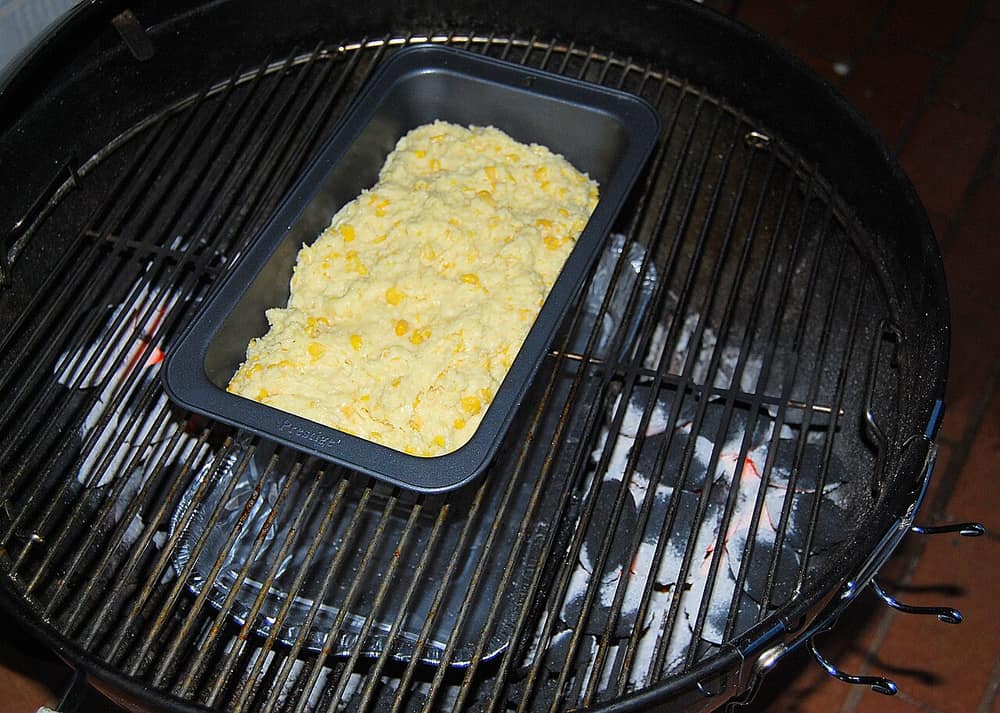
The kettle is the design Weber is famous for: a round bowl, a domed lid, and vents in the bowl and lid to control the heat. You can braai directly over the coals or bank the coals to the sides and cook indirectly with the lid closed, for roasts, whole chickens, bread and smoking.
- Compact Kettle: the simpler, cheaper kettle, listed in 47cm and 57cm sizes.
- Original Kettle: the core charcoal kettle in the 57cm family size, with a “Premium” version that adds extra features.
- Master-Touch: a step up, sold locally in the 57cm size and in several colours. Listings describe an improved ash collection system, and the range offers extra grid options.
- Ranch Kettle: a very large 96cm kettle for serious entertaining, at the top of the price range.
Who it suits: most households that want one versatile charcoal braai. The 57cm size is the common family size. Weighing a kettle against a box or drum stand? Our braai stand guide compares them.
Gas braais
- Spirit: Weber’s mainstream patio gas family, with two-, three- and four-burner models. The first digit of the model number gives the burner count (an E-210 has two burners, an E-310 three, an E-410 four). Some versions add a side burner or a high-heat sear zone.
- Genesis: a larger, more premium gas family for people who cook full meals outside, including a built-in version.
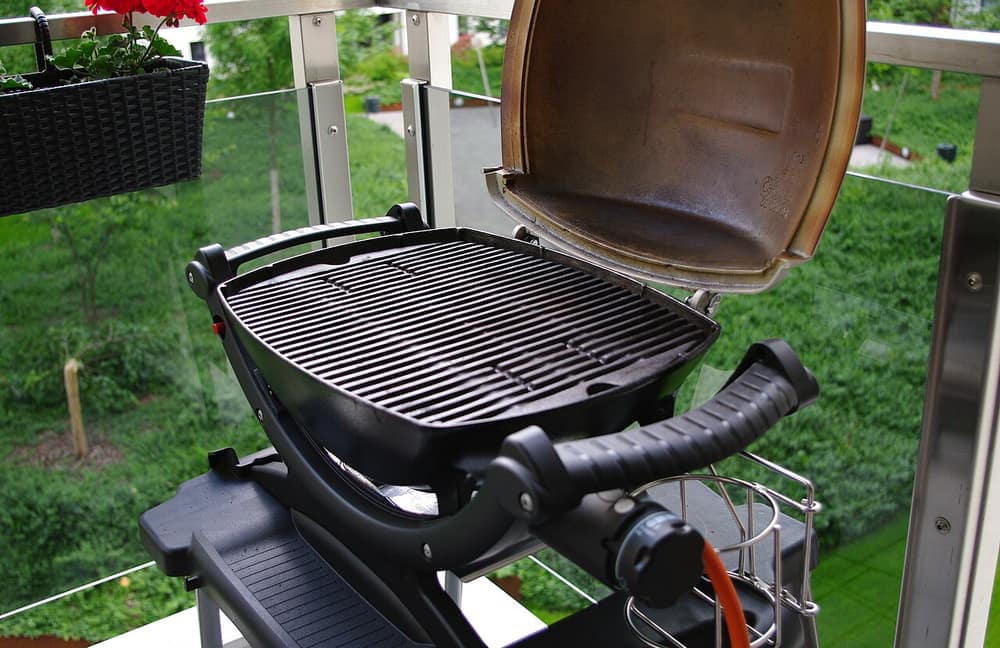
- Q series: compact gas braais with a cast-iron grid and a lid, sitting on a table or an optional stand or cart. Popular for balconies, townhouses and caravans.
- Traveler: a portable gas braai designed to fold for transport, in standard and Compact sizes.
Who it suits: people who braai midweek, live in complexes or want precise heat control. Our gas braai buying guide explains burners, size and cylinder setup in more detail.
Portable charcoal
- Smokey Joe: a small 37cm portable charcoal kettle for picnics, camping and small balconies where allowed.
- Go-Anywhere: a compact rectangular portable braai, sold in charcoal and gas versions.
Who it suits: couples, campers, or as a second braai.
Smokers and kamado
- Smokey Mountain Cooker: a dedicated charcoal smoker, listed in 37cm, 47cm and 57cm sizes, for people who want to go deep into low-and-slow. Before you buy one, our smoker braai guide shows how to smoke ribs and brisket on the kettle you may already own.
- Summit Kamado: Weber’s kamado-style charcoal cooker. It sits at the premium end of the range and is aimed at enthusiasts who want low-and-slow smoking and very high heat for pizza. Read our kamado guide to see if the kamado style suits you.
Weber SA also lists an electric compact braai, the Lumin, for spaces where neither charcoal nor gas is allowed. Bear in mind it needs a power supply.
Weber range compared
| Family | Fuel | Size | Price band | Best for |
|---|---|---|---|---|
| Compact Kettle | Charcoal | 47–57cm | Entry-level | First kettle on a budget |
| Original Kettle | Charcoal | 57cm | Entry to mid-range | First “proper” braai, versatile cooking |
| Master-Touch | Charcoal | 57cm | Mid-range | Kettle fans who want more features |
| Smokey Joe / Go-Anywhere | Charcoal (Go-Anywhere also gas) | Small, portable | Entry-level | Picnics, camping, small spaces |
| Q series | Gas | Compact | Mid-range | Balconies, townhouses, caravans |
| Traveler | Gas | Portable | Mid-range | Travel and camping |
| Spirit | Gas | 2–4 burners | Mid-range to premium | Regular family gas braais |
| Genesis | Gas | Large | Premium | Big outdoor-cooking setups |
| Smokey Mountain / Summit Kamado | Charcoal | Medium–large | Premium | Smoking, slow cooking, pizza |
Choosing between a Weber kettle and a Weber gas braai
The choice comes down to flavour, time and space:
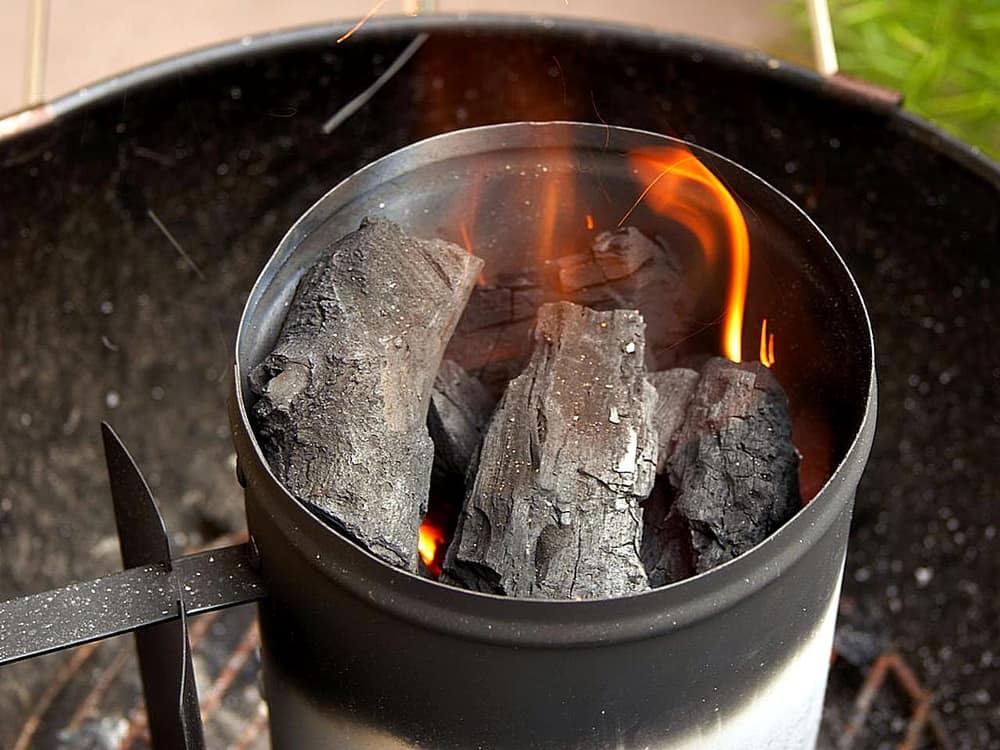
- Kettle: more smoke flavour, works without electricity or gas, and costs less to buy. Lighting charcoal takes about 20 minutes with a chimney starter.
- Gas: ready in minutes, easy to control, cleaner. Better for weeknights and places where charcoal isn’t allowed.
Many people start with a kettle and add a gas braai later. Our gas vs charcoal vs wood comparison covers the trade-offs.
Controlling the heat in a Weber kettle
A kettle has no knobs, so new owners often struggle to get it hot enough, or to keep it low enough. Three things set the temperature: how much charcoal you light, where you put it, and how much air the vents let in.
- Bottom vents (under the bowl) feed air to the coals. More air means a hotter, faster fire.
- Top vent (in the lid) lets heat and smoke out and pulls air through. Weber’s own low-and-slow guides start with both vents open and then fine-tune with the top vent.
- Lid on for anything thicker than a sosatie. The kettle works as an oven only when it’s closed, and every peek lets the heat out.
| Set-up | Where the coals go | Rough temperature | Use it for |
|---|---|---|---|
| Direct | Spread evenly under the food | Hot | Chops, wors, steak, sosaties |
| Indirect | Banked on both sides, drip tray in the middle | Medium (roughly 180–230 °C, depending on the amount of charcoal) | Whole chicken, roasts, bread, pizza on a stone |
| Low and slow | A “snake” of briquettes round the edge, lit at one end | About 110–135 °C | Ribs, pork shoulder, brisket |
For the snake method, Weber’s 57cm guide lays a double row of unlit briquettes around about half the charcoal grate, then puts 8–10 lit briquettes at one end so the fire creeps along slowly. A tray of warm water in the middle helps keep the temperature steady. For a short low-and-slow cook of two hours or less, Weber suggests simply using 10–12 lit briquettes in one charcoal basket. Our smoker braai guide takes the snake further, with wood chunks and timings for ribs and brisket.
When the kettle won’t get hot
- Ash is blocking the bottom vents. Empty the ash catcher before every cook; ash piled over the bottom vents chokes the fire.
- The vents are partly closed from last time, when you shut them to put the fire out.
- Not enough charcoal, or old damp charcoal. Briquettes stored in a damp garage light slowly and burn cool.
- Too much peeking. Lifting the lid every few minutes can drop the temperature a long way.
To put a kettle out, close the lid and shut both vents. Starved of air, the coals die down, and any unburnt briquettes can be relit next time. Choked coals can stay hot for many hours, so leave the ash in the kettle until the next day and check it is cold to the touch before you empty it into a metal bin.
Useful Weber accessories
- Chimney starter: the easiest way to light charcoal without fire-lighter fluid.
- Charcoal baskets or rails: keep coals to the sides for indirect cooking.
- Hinged or insert grids: let you add coals or swap in a pizza stone, wok or griddle insert on compatible models. Weber lists a full-size griddle for the 57cm kettle, for example.
- Thermometer: a probe thermometer takes the guesswork out of roasts and low-and-slow cooks.
- Cover: protects the braai from sun and rain.
- Briquettes: give steady, long heat for kettle cooking. See our charcoal and briquettes guide.
Check compatibility before buying accessories, since grids and inserts are made for specific models and sizes.
Kettle extras worth buying
With Weber’s own online store closed, these are in-stock extras from other local stores that work with a kettle, plus a cheaper kettle if the Weber you want is hard to find.

Megamaster
Megamaster Meat Thermometer
A stainless-steel probe thermometer for the middle of a roast or a whole chicken. With the kettle lid closed, it tells you when the meat is done without the guesswork.
- Stainless steel probe
- Reads up to 280 °C
- Celsius and Fahrenheit
- Very low price
- Fits any braai, not just a Weber
- A basic retro-style probe with no extras

ALVA
Pizza Stone Ceramic 30cm With Lifter & Cutter
A 30cm ceramic stone on a chrome carry rack, with a lifter and a cutter in the box. Set it on the grid over indirect heat, close the lid, and the kettle bakes pizza with a crisp base.
- 30cm ceramic stone
- Chrome steel carry rack
- Lifter and cutter included
- Cheap way to try pizza on the braai
- Rack makes a hot stone easier to move
- 30cm limits pizza size
- Ceramic can crack if it gets wet and then heated fast

Megamaster
Ember Series 37cm Kettle Braai
If the Weber you wanted is out of stock or over budget, a small enamelled kettle from a local brand gets you cooking with the lid down for a lot less.
- 37cm kettle
- Enamel-coated
- Hinged cooking grate
- Low price
- Hinged grate for adding coals
- Smaller than a family 57cm kettle
- Not a Weber, so Weber accessories may not fit
Prices change often; check the retailer for the current price and stock. We may earn a commission if you buy through these links, at no extra cost to you. Star ratings are the store's own customer reviews, shown once a product has at least 3. How we choose products.
Buying, warranty and spares now Weber SA’s online store has closed
Weber South Africa closed its direct online store on 16 August 2026. Its notice says existing product warranties remain valid and will still be honoured, and that questions about orders, returns or warranty claims go to [email protected].
Where to buy
Buy from a Weber dealer (Weber’s South African site has a “Locate a Dealer” page): specialist braai stores, homeware and department stores, and online retailers. Ask whether they can get spares for your model.
What the warranty covers
Weber SA’s warranty page lists these periods. It says the terms are for information only and that your braai’s Owner’s Guide is what applies, so check it for your model.
| Range | Main body | Other parts |
|---|---|---|
| Charcoal kettles | Bowl and lid 10 years, One-Touch cleaning system 5 years (both against rust-through or burn-through) | Plastic parts 5 years, other parts 2 years |
| Smokey Mountain Cooker | Bowl, lid and centre ring 10 years | Plastic parts 5 years, other parts 2 years |
| Spirit and Genesis gas | Cookbox and lid 10 years, stainless burner tubes 10 years | Stainless grates and Flavorizer bars 5 years, other parts 2 years |
| Q series | Cookbox and lid 5 years, burner tubes 5 years, cast-iron grates 5 years | Plastic parts 5 years, other parts 2 years |
| Accessories | 2 years | Premium covers 3 years |
To claim, you need your proof of purchase, the serial number and photos of the fault. Register the braai on Weber’s site when you buy it; Weber says this speeds up claims.
Spares
Weber SA’s spares page still lists parts such as 47cm and 57cm cooking and charcoal grates, a 57cm hinged cooking grate, One-Touch cleaning kits, an ash catcher and a Compact Kettle leg. Order them through a dealer, and take your kettle’s size and model along, since grates and ash parts are size-specific.
Buying a second-hand Weber
Most parts that wear out on a kettle can be replaced, so a used one can be a good buy. Check these first:
- The bowl and lid: look inside and underneath for rust holes. Small chips and surface rust are mostly cosmetic; holes mean the kettle is near the end.
- The vents: the bottom vents should open and close freely, and the lid vent should turn.
- Legs and wheels: wobbly legs or rusted leg sockets make a hot kettle unstable.
- The date code: on most kettles made since 1979 it’s stamped on the lid vent, and Weber’s code chart turns it into a production date.
A once-off private sale is generally outside the Consumer Protection Act, so you’ll usually buy voetstoots, and Weber’s own warranty usually won’t follow the braai to you.
Care and maintenance
Kettle
- Empty the ash catcher after every cook once the ash is cold. Ash holds moisture and causes rust.
- Brush the grid while warm.
- Keep the vents moving freely and clear of old ash.
- Wipe the enamel with a damp cloth; avoid harsh abrasives that scratch the coating.
Gas
- Leak test with soapy water every time you connect a cylinder: bubbles at a joint mean a leak.
- Keep the cylinder upright and outdoors, and turn it off at the valve after cooking.
- Clean the grease tray and drip cup regularly.
- Burn off the grid on high for a few minutes and brush it clean.
- Inspect hoses and the regulator every season.
Cover both types when not in use, especially at the coast.
FAQ
Which Weber kettle size should I buy?
The 57cm kettle is the common family size and gives room to cook indirectly with coals on both sides. The 47cm suits couples, and the 37cm Smokey Joe suits picnics and camping.
Is a Weber warranty transferable if I buy second-hand?
Usually not. Weber’s warranty statement for Europe, the Middle East and Africa covers the original buyer only (or the person it was bought for as a gift), and a claim needs the original proof of purchase.
Is a Weber Q a good braai for a balcony?
The Q series is compact and runs on gas, which makes it a popular balcony and townhouse choice. Check your body corporate rules first, keep it clear of flammable materials and use it only in a well-ventilated outdoor space.
Can you use wood in a Weber kettle?
Weber kettles are designed for charcoal and briquettes. Small wood chunks or chips added to the coals for smoke flavour are fine, but a full wood fire isn’t what a kettle is designed for.
How do you put out a Weber kettle?
Close the lid and shut both the top and bottom vents. Without air the coals go out, and any briquettes that haven’t burnt through can be relit next time. Coals can stay hot for many hours, so only empty the ash the next day, once it is cold to the touch.
Can you still get Weber spare parts in South Africa?
Yes. Weber SA’s site still lists grates, ash catchers and One-Touch cleaning kits for the 47cm and 57cm kettles, but its online store closed in August 2026, so order spares through a Weber dealer. Contact Weber South Africa if a dealer can’t source a part.
Does a Weber kettle work during load shedding?
Yes. A charcoal kettle needs no electricity, and neither does a gas braai with a manual or battery igniter. Electric models like the Lumin do need power.

Johan Botha
Braai & outdoor editor
Writes our braai, fire pit and pizza oven guides. Firmly in the wood-fire camp, but owns up to a gas braai for weeknights.
More from Johan →