We're independent: products are chosen on merit and prices come from the retailers' own sites. We may earn a commission if you buy through our links. Learn more.
In an emergency, get everyone out first and call 112 from a cellphone, or your local fire brigade. This guide is general information; always follow the manufacturer's instructions and local regulations.
Key takeaways
- If a lithium battery catches fire, don't fight it: get everyone out, close doors behind you and call 112.
- Insist on an electrical Certificate of Compliance from a registered electrical contractor, not a certificate of completion.
- Install batteries somewhere ventilated, out of direct sun and away from cars, fuel, gas cylinders and escape routes.
- Swelling, heat, strange smells, hissing or repeated error codes mean switch off and call a technician.
- Have the system inspected at least once a year, and fit a smoke alarm near the equipment.
Load shedding turned the inverter and lithium battery into a standard household appliance in South Africa, and it has kept a lot of lights on through long evenings. But lithium-ion batteries store a lot of energy in a small space, and when one fails it can overheat, release toxic and flammable gases and burn intensely.
Solar and inverter batteries are now a significant cause of house fires in South Africa, so installation quality and maintenance matter. This guide covers how big the risk is, why batteries fail, the installation rules that protect you, the warning signs to act on and, most importantly, what to do if a lithium battery catches fire. The short version of that last part: don’t try to fight it yourself. Get everyone out and call for help.
At a glance: the five things that matter most
| Do this | Why |
|---|---|
| Use a registered electrical contractor and get a CoC | Poor installation is one of the main causes cited for solar fires |
| Put the battery in a ventilated spot, away from escape routes | Heat speeds up failure, and a fire must never block your way out |
| Learn the warning signs | Swelling, heat, smells and error codes give you a chance to act early |
| Service the system once a year | Connections loosen and cells age, even on a good installation |
| Know your fire plan: out, doors closed, 112 | Lithium battery fires are hard to put out and the smoke can be toxic |
How big is the risk?
In September 2026, Discovery Insure and Fire Ops SA reported that about one in four structural fires attended by their Fire Force response service were linked to solar systems. Coverage of the data put it at 48 of 197 structural fire calls since January 2026, mainly in Gauteng with some in Bloemfontein and Durban. Discovery noted it is not a national estimate. Causes cited included ageing or faulty batteries, inverter faults, loose or deteriorating wiring and connections, and poor installation.
With Stats SA’s 2025 General Household Survey estimating about 675,000 South African homes with solar systems, as quoted in the same release, getting installation and maintenance right is worth the effort.
Why lithium batteries catch fire
The key risk is thermal runaway: a cell overheats, which triggers a chemical reaction that produces more heat, which spreads to neighbouring cells. Once it starts, it can be very hard to stop.
Common triggers:
| Trigger | Examples |
|---|---|
| Poor installation | Undersized cables, loose or badly crimped connections, no proper isolation or protection devices |
| Incompatible equipment | A battery and inverter that aren’t designed to work together, or batteries mixed from different makers or ages |
| Heat | Batteries in hot roof spaces, in direct sun, or packed into unventilated cupboards |
| Physical damage | Dropped, dented or crushed packs; water damage |
| Ageing and wear | Cells degrading over time; batteries kept beyond their designed life |
| Poor-quality products | Packs without a proper battery management system (BMS) or recognised certification |
| Charging faults | Wrong charge settings, faulty chargers, overcharging |
Installation rules that matter
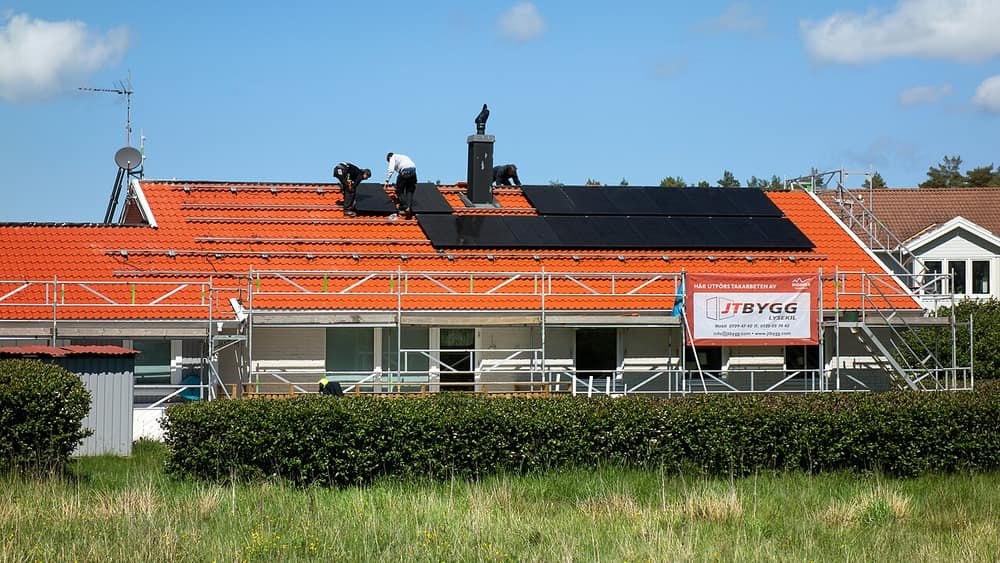
- Electrical Certificate of Compliance (CoC). A solar, inverter or battery installation is part of your electrical installation and should be certified with an electrical CoC from a registered electrical contractor, under the Electrical Installation Regulations and the wiring code (SANS 10142-1). Adding or changing a battery or inverter should be covered by a new or updated CoC. Discovery and Fire Ops SA advise insisting on a valid CoC, not a “certificate of completion”, which is not the same document.
- Use a qualified installer. Look for a registered electrician, and ask about industry accreditation. The Discovery release points to SAPVIA registration or PV GreenCard certification as accreditations to look for.
- Register the system with your municipality or Eskom where required. Rules for grid-tied systems vary by municipality, so ask your installer and check your municipality’s requirements.
- Tell your insurer. Many insurers want to know about solar installations and may ask for the CoC after a claim.
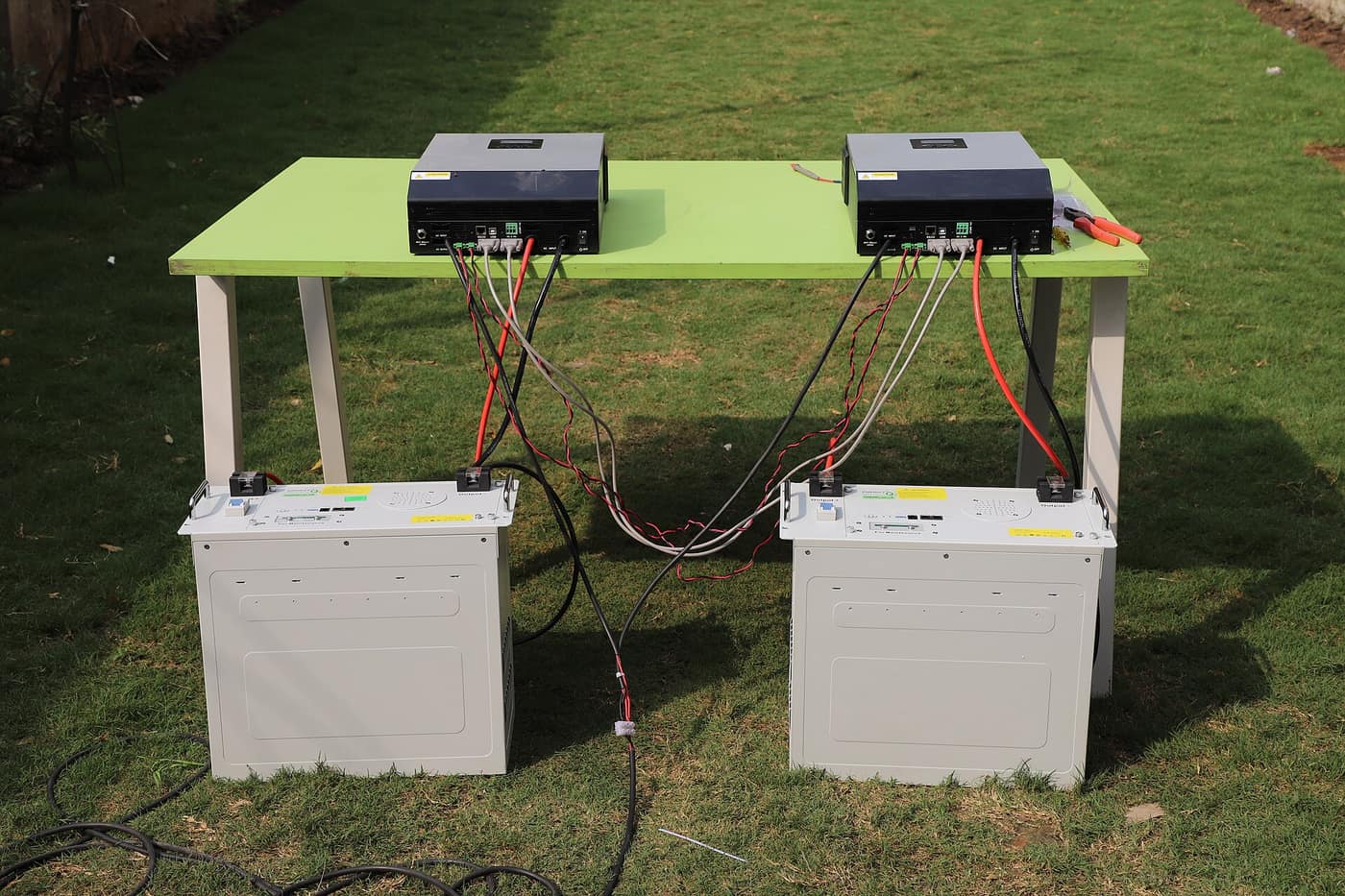
- Location. Install batteries and inverters in a well-ventilated spot, out of direct sun, and away from vehicles, fuel, gas cylinders and combustible materials. The Fire Protection Association of Southern Africa (FPASA) has recommended outdoor, well-ventilated locations installed by a certified installer. Your installer should advise on the safest spot and follow the manufacturer’s clearances.
- Not in bedrooms or escape routes. Don’t put batteries where a fire would block your way out.
Planning a new system or an upgrade? You can get quotes from registered solar and electrical installers through us.
Questions to ask your installer
- Are you a registered electrical contractor, and will I get an electrical CoC for this work?
- Are the battery and inverter designed to work together?
- Where will the battery go, and what clearances does the manufacturer require?
- Where is the isolator switch, and how do I shut the system down safely?
- What does an annual service include, and do you offer one?
Warning signs to act on
Switch off the system (following your installer’s shut-down procedure) and call a qualified technician if you notice:
- Swelling or bulging of the battery casing
- Unusual heat from the battery or inverter
- Burning, chemical or sweet smells
- Hissing, popping or crackling sounds
- Smoke or vapour, even a wisp
- Repeated error messages, unexplained shutdowns or faults
- Discoloured or melted cables, plugs or terminals
A swollen battery must be replaced. Don’t puncture, press or try to repair it.
Maintenance
- Annual inspection and service. Fire Ops SA advises having batteries, inverters, wiring and connections inspected and serviced at least once a year. A CoC at installation doesn’t mean the system can be forgotten.
- Keep the area clear, clean and dry, with nothing stored against the battery.
- Replace batteries before end of life, according to the manufacturer.
- Fit a smoke alarm near solar equipment, ideally one that alerts your phone or a response service when you’re out. See our smoke and CO detector guide.
What to do in a lithium battery fire
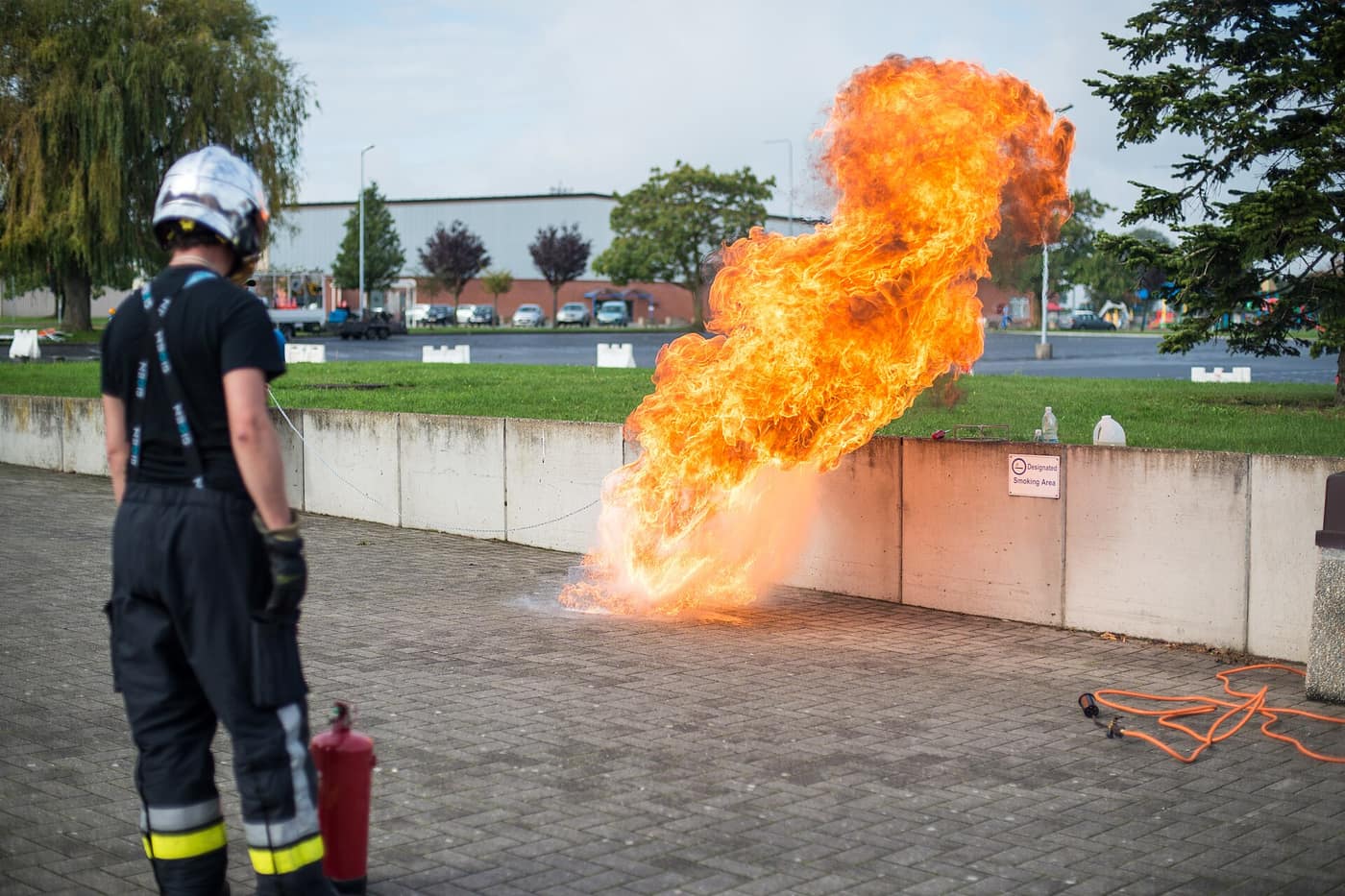
Don’t fight it yourself. Discovery and Fire Ops SA advise homeowners not to try to manage a lithium-ion battery fire, because the smoke can be toxic.
- Get everyone out of the house, and close doors behind you to slow the spread.
- Call for help immediately. From a cellphone, dial 112. Save your local municipal fire number in your phone. Tell the call taker it’s a lithium battery or solar fire.
- Stay out and upwind of the smoke. Don’t go back in.
- Isolate the system only if it’s safe and you can do it from away from the fire, for example a clearly marked isolator switch outside the room. Don’t approach the battery.
- Warn the fire brigade about solar panels on the roof, because they can still produce electricity in daylight.
Water and extinguishers: what we could verify
- Water. Guidance differs. The International Association of Fire Chiefs and a US state fire marshal’s office (with NFPA) say water is the preferred agent for firefighters on lithium-ion fires, often in large volumes for a long time. Other sources warn against using water. For homeowners, the consistent advice is the same: evacuate and leave it to the fire brigade. Never spray water near live electrical equipment.
- Re-ignition. Lithium battery fires can re-ignite minutes, hours or even days later, which is another reason to let firefighters handle and monitor them.
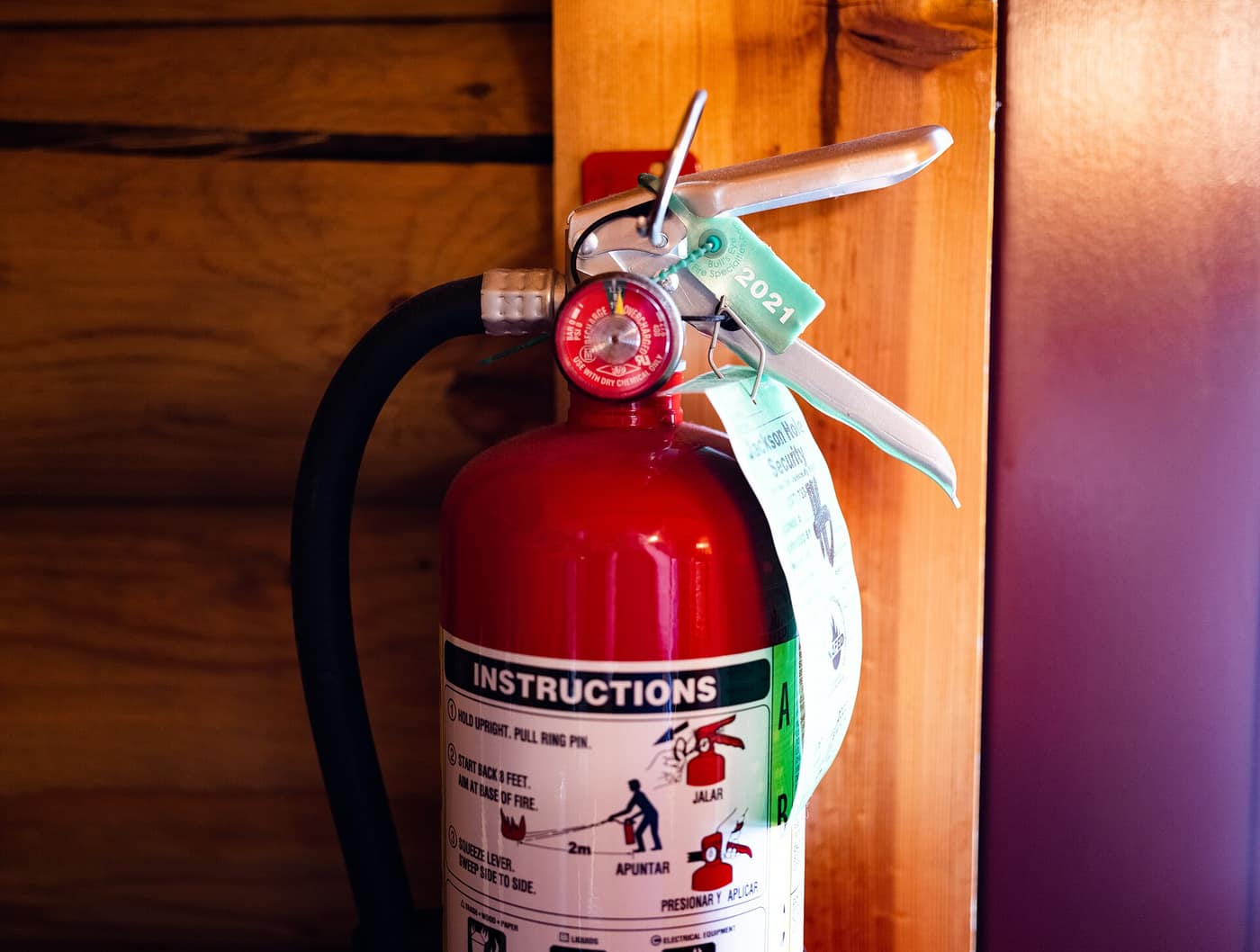
- “Lithium battery fire extinguishers.” Products sold for lithium fires include vermiculite-based agents, water mist, gels and specialised blankets. There’s no fire class for lithium-ion batteries in the current classification system, and SAQCC Fire has stated that no lithium fire extinguisher in South Africa complies with SANS 1910. A standard ABC powder or CO2 extinguisher won’t stop thermal runaway. Don’t rely on any extinguisher to make a battery fire safe to stay near.
See our fire extinguisher guide for what a home extinguisher can and can’t do, and fire extinguisher types for which one suits which fire.
Fire kit worth having near your setup
None of the products below will put out a battery in thermal runaway, and none of them changes the plan above: out, doors closed, 112. What they’re for is the small fire that hasn’t reached the battery, such as a smouldering plug, a wiring fault or an appliance fire elsewhere in the house, and only while you have a clear way out behind you.

Arbor Safety Co
2kg CO2 Fire Extinguisher (Alloy Steel)
CO2 leaves no powder behind, which makes it the cleaner choice for a small fire in wiring, a plug or an appliance near your inverter. It is not a fix for a battery in thermal runaway.
- 2kg carbon dioxide
- Alloy steel cylinder
- SANS 1567 certified
- For flammable liquid and electrical fires
- No residue on electronics
- Compact enough to mount by the DB board or garage door
- Gas disperses quickly, so a fire can flare up again
- Costs more than powder for the size

Arbor Safety Co
2.5kg DCP Fire Extinguisher (Firemate)
A dry chemical powder extinguisher for Class A, B and C fires: a sensible general-purpose unit for the house or garage. Like any home extinguisher, it won't stop thermal runaway.
- 2.5kg dry chemical powder
- Class A, B and C fires
- Conforms to SANS 1910:2009 ratings
- 415 mm tall
- Covers most household fires
- Low price for a certified unit
- Powder makes a mess and can damage electronics

Arbor Safety Co
Glass Fibre Fire Blanket
A light-duty blanket for smothering small incident fires, such as a pan fire or burning clothing. Hang it near the kitchen or exit, not as a plan for a battery fire.
- 2m × 2m
- 100% glass fibre, to 550°C
- EN 1869:1997
- Red wall-hanging bag
- Cheap and quick to use
- No mess, no maintenance
- Single use only
- For small fires only
Prices change often; check the retailer for the current price and stock. We may earn a commission if you buy through these links, at no extra cost to you. Star ratings are the store's own customer reviews, shown once a product has at least 3. How we choose products.
Small lithium batteries
Phones, laptops, power banks, e-bikes, scooters and power tools carry the same risk on a smaller scale:
- Use the original or certified charger, and don’t charge on beds, couches or near curtains.
- Don’t charge e-bikes and scooters in escape routes or overnight while you sleep.
- Stop using any device or battery that’s swollen, hot or damaged.
- Don’t throw lithium batteries in the household bin; use e-waste drop-off points.
- Keep spare batteries in a cool, dry place, away from metal objects that could short the terminals.
If you’re choosing backup power, our oil heater vs gas heater guide covers heating during outages, and our gas heater safety guide covers the risks of gas indoors.
FAQ
Can you put out a lithium battery fire with water?
Fire services use water, often in large volumes, to cool lithium-ion battery fires, but sources differ and live electrical systems make it dangerous for homeowners. If a battery is on fire at home, get out and call 112. Don’t try to put it out yourself.
How common are solar battery fires in South Africa?
Discovery Insure and Fire Ops SA reported in September 2026 that about one in four structural fires their service attended were solar-related. It’s based on their own call data, mainly in Gauteng, and isn’t a national figure.
Do I need a CoC for a solar battery installation?
Yes. Solar, inverter and battery systems are part of your electrical installation and should be certified with an electrical Certificate of Compliance by a registered electrical contractor. A “certificate of completion” is not the same thing.
Is there a fire extinguisher for lithium battery fires?
Specialised products are sold, but there’s no fire class for lithium-ion batteries, and SAQCC Fire has said no lithium fire extinguisher in South Africa complies with SANS 1910. Don’t rely on one; evacuate and call for help.
What are the warning signs of a failing lithium battery?
Swelling, unusual heat, burning or sweet chemical smells, hissing or popping, smoke or vapour, repeated error codes and discoloured or melted cables. Switch off the system safely and call a qualified technician.

Nadia Pillay
Home fire safety writer
Writes our home fire safety guides, built on SANS standards, SAQCC rules and fire service advice.
More from Nadia →