In an emergency, get everyone out first and call 112 from a cellphone, or your local fire brigade. This guide is general information; always follow the manufacturer's instructions and local regulations.
Key takeaways
- A gas CoC (Certificate of Conformity) confirms a fixed gas installation meets the Pressure Equipment Regulations.
- You need one for a new installation, after any alteration, and when you sell a property with a gas installation.
- Only a gas practitioner registered with SAQCC Gas, for the right gas type and scope of work, can issue it.
- Check your installer on the SAQCC Gas register before work starts, and ask for the digital certificate.
- A portable heater on its own cylinder is generally not treated as a fixed installation; anything plumbed in is.
The gas hob was the selling point when you bought the house. Now you’re selling it yourself, the conveyancer has asked for a gas CoC, and you have no idea where the old certificate went or whether it still counts. Or you’ve just had a gas geyser fitted and want to know the paperwork is right. Either way, the rules are simpler than they first look.
A gas CoC (Certificate of Conformity, often called a gas compliance certificate) confirms that a fixed gas installation meets the Pressure Equipment Regulations under the Occupational Health and Safety Act. This guide covers what it covers, when you need one, who can issue it, how the process works and what drives the cost, plus the gas safety basics every household should know.
Quick answer
| Question | Short answer |
|---|---|
| What is it? | A certificate confirming a fixed gas installation conforms to the Pressure Equipment Regulations |
| When do I need one? | New installations, alterations or additions, and when you sell a property with a gas installation |
| Who can issue it? | Only a gas practitioner registered with SAQCC Gas for the relevant gas type and scope of work |
| Paper or digital? | Digital only. SAQCC Gas has said paper certificates are no longer valid from 1 April 2023 |
| Does it expire? | The regulations don’t set a fixed validity period, but a sale or alteration calls for a new one |
| Portable heater? | A portable appliance on its own cylinder is generally not treated as a fixed installation |
What a gas CoC covers
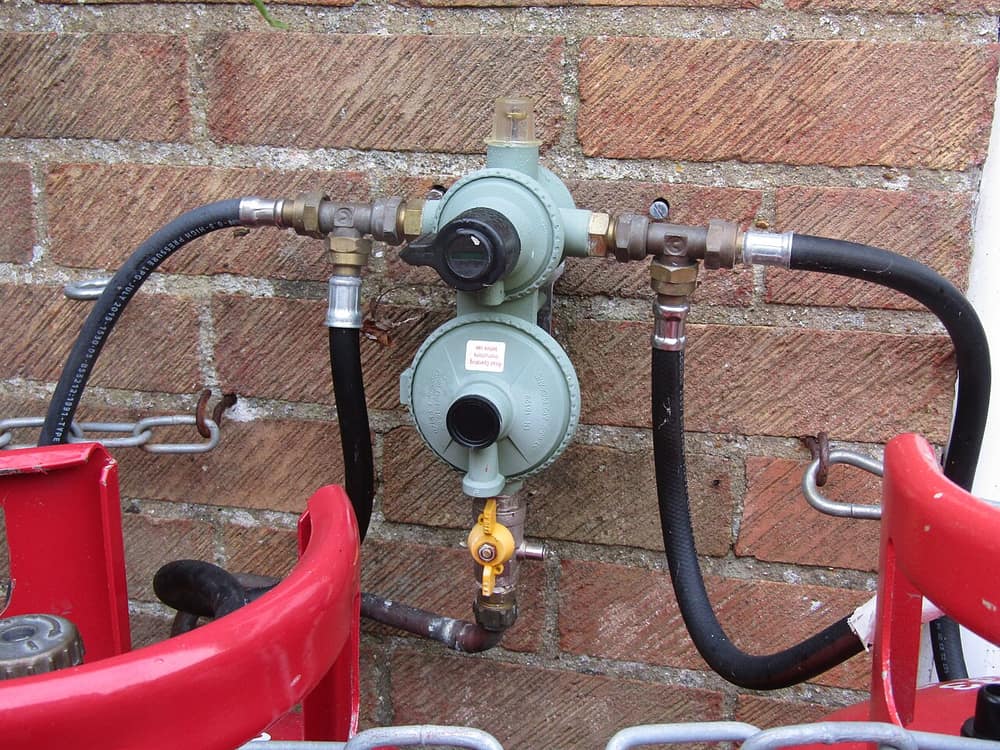
The certificate covers a gas installation: the cylinders or supply, regulators, pipework, valves and connected appliances. Typical household examples include:
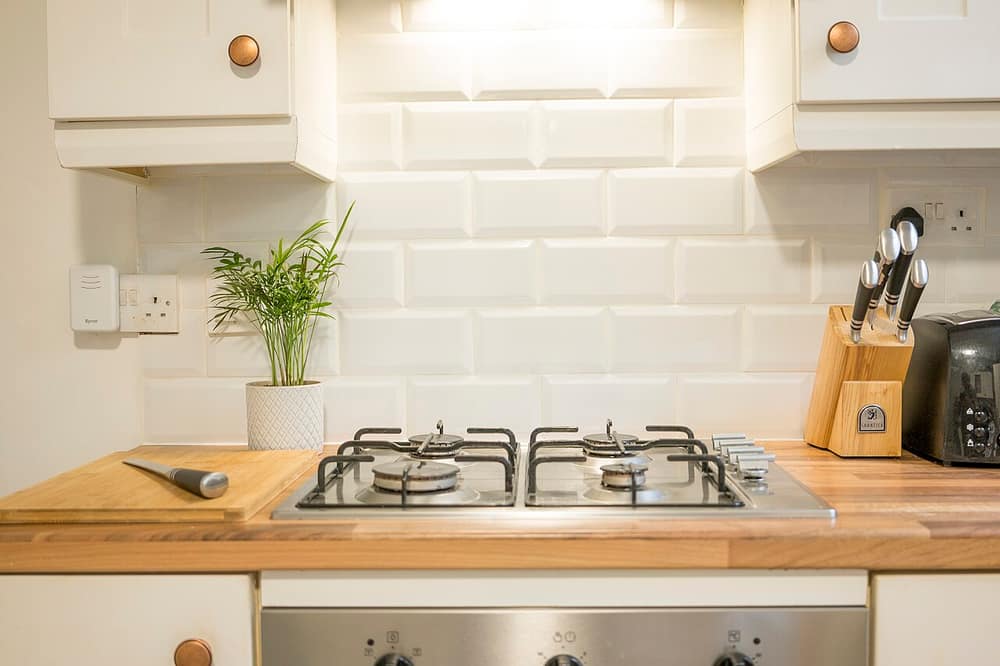
- Gas hobs and stoves
- Gas geysers and water heaters
- Built-in gas fireplaces
- Built-in gas braais (see our built-in braai guide)
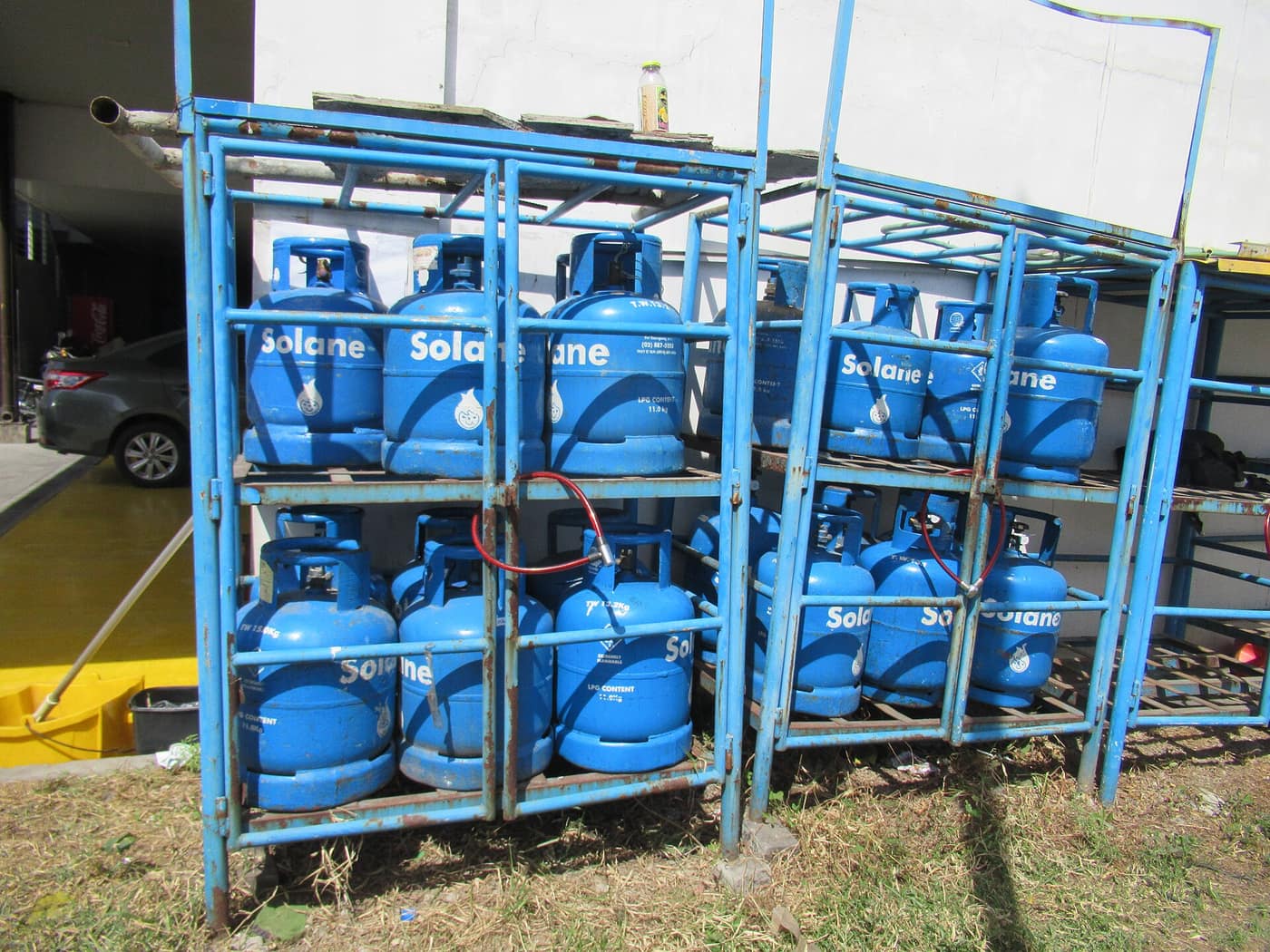
- Fixed gas heaters plumbed to an outside cylinder
- Gas tumble dryers, pool heaters and outdoor kitchens on a fixed supply
When an installer issues the CoC, they’re confirming that the installation was inspected and conforms at that point, including things like cylinder placement, ventilation, leak tests and the condition of components.
The legal basis
| Item | What applies |
|---|---|
| Law | Occupational Health and Safety Act 85 of 1993 |
| Regulations | Pressure Equipment Regulations (the 2009 regulations as amended), which require a CoC for gas installations |
| Who can issue | An “authorised person”: a gas practitioner registered with SAQCC Gas for the relevant type of gas and scope of work |
| Registration body | SAQCC Gas, appointed and mandated by the Department of Employment and Labour to register gas practitioners |
| Format | Digital CoC only. SAQCC Gas confirmed paper certificates are no longer valid from 1 April 2023 |
| Technical standard (LPG) | Domestic LPG installations are designed to the SANS 10087 series (SANS 10087-1) |
When you need a gas CoC
- New installation. Whenever a fixed gas installation is put in.
- Alterations, additions or maintenance. Adding an appliance, moving a cylinder, replacing a regulator, or changing pipework all call for a new or updated CoC.
- Selling a property. A valid CoC must be issued to the new owner when a property with a gas installation is sold. Conveyancing sources say you need one on sale regardless of how old the existing one is. The seller is usually responsible, unless the sale agreement says otherwise.
- Change of user or tenant. Industry and legal sources also link a new CoC to a change of user. Landlords should check their lease and with their installer.
- Insurance. Your insurer may ask for a valid CoC after a gas-related claim. An installation without one may give the insurer grounds to dispute a claim, so check your policy.
Does a gas CoC expire?
The regulations don’t set a fixed validity period, but because you need a new CoC on sale and after any alteration, many certificates are effectively replaced every few years. If you’re buying a property, ask for a CoC issued for the transfer.
What about portable gas appliances?
A portable appliance on its own cylinder, such as a mobile indoor gas heater, a skottel or a camping stove, is generally not treated as a fixed installation needing a CoC, and conveyancing sources say portable appliances aren’t usually part of a sale. Those appliances still need safe use: see our gas heater safety guide. If an appliance is plumbed in, connected to a cylinder outside, or built into the house, treat it as an installation and ask a registered installer.
| Setup | Treat it as |
|---|---|
| Mobile gas heater with the cylinder inside its own cabinet | Portable appliance (generally no CoC) |
| Skottel or camping stove on a small cylinder | Portable appliance (generally no CoC) |
| Gas hob fed from a cylinder outside through pipework | Fixed installation (CoC needed) |
| Gas geyser on an outside cylinder cage | Fixed installation (CoC needed) |
| Built-in gas braai or gas fireplace | Fixed installation (CoC needed) |
If you’re unsure which side of the line your setup falls on, ask a registered installer rather than guessing.
Who can issue a gas CoC
Only a gas practitioner registered with SAQCC Gas, for the right gas type (for most homes, LPG) and the right category of work. A plumber or handyman who isn’t on the register can’t legally issue one.
How to check your installer:
- Ask for their SAQCC Gas registration number and their practitioner card. SAQCC Gas says licences can also be viewed as a digital card on its electronic CoC app.
- Search the practitioner register on saqccgas.co.za by name, registration number, company or area.
- Confirm their registration covers LPG (or natural gas, if that’s your supply) and the type of work you need.
The process, step by step
- Book a registered installer. Tell them whether it’s a new installation, an alteration, or an inspection for a sale.
- Inspection and testing. The installer checks the cylinders, regulators, pipework, valves, appliances and ventilation, and carries out a leak (pressure) test.
- Fixes. If anything doesn’t comply, the installer lists the remedial work. You may need to fix these before a CoC can be issued.
- Digital CoC issued. Once the installation passes, the installer issues the digital certificate. Keep a copy and send it to your conveyancer or insurer if needed.
Common reasons an installation fails
- Cylinders too close to doors, windows, drains or electrical points
- Perished or cracked hoses
- The wrong regulator for the appliance
- Missing isolation valves
- Poor ventilation where the appliance is used
What affects the cost
We don’t publish rand amounts because prices vary by area and installer, but these factors drive the cost:
| Factor | Effect on cost |
|---|---|
| Inspection only (installation already compliant) | Lowest; a single call-out and test |
| Number of appliances and cylinders | More points to check means more time |
| Remedial work needed | Parts and labour for fixes can cost more than the certificate |
| New installation | Highest; materials, cylinders, cages, pipework and the CoC |
| Location and travel | Rural and remote areas often cost more |
| Urgency | Short-notice bookings, for a sale deadline, may cost more |
Tips: get at least two or three quotes, ask whether remedial work is included or quoted separately, and book early if you’re selling, so the CoC doesn’t delay the transfer. You can get quotes from registered gas installers through us.
Safety basics for any gas installation
A CoC is the start of safe gas use, not the end of it. Every household with gas should know these:
- Know where to shut off the gas at the cylinder.
- Do a soapy-water leak test on connections when you change a cylinder. Never use a flame. Our gas cylinder safety guide covers storing, transporting and changing cylinders.
- Fit a carbon monoxide alarm in rooms with gas appliances. See our smoke and CO detector guide.
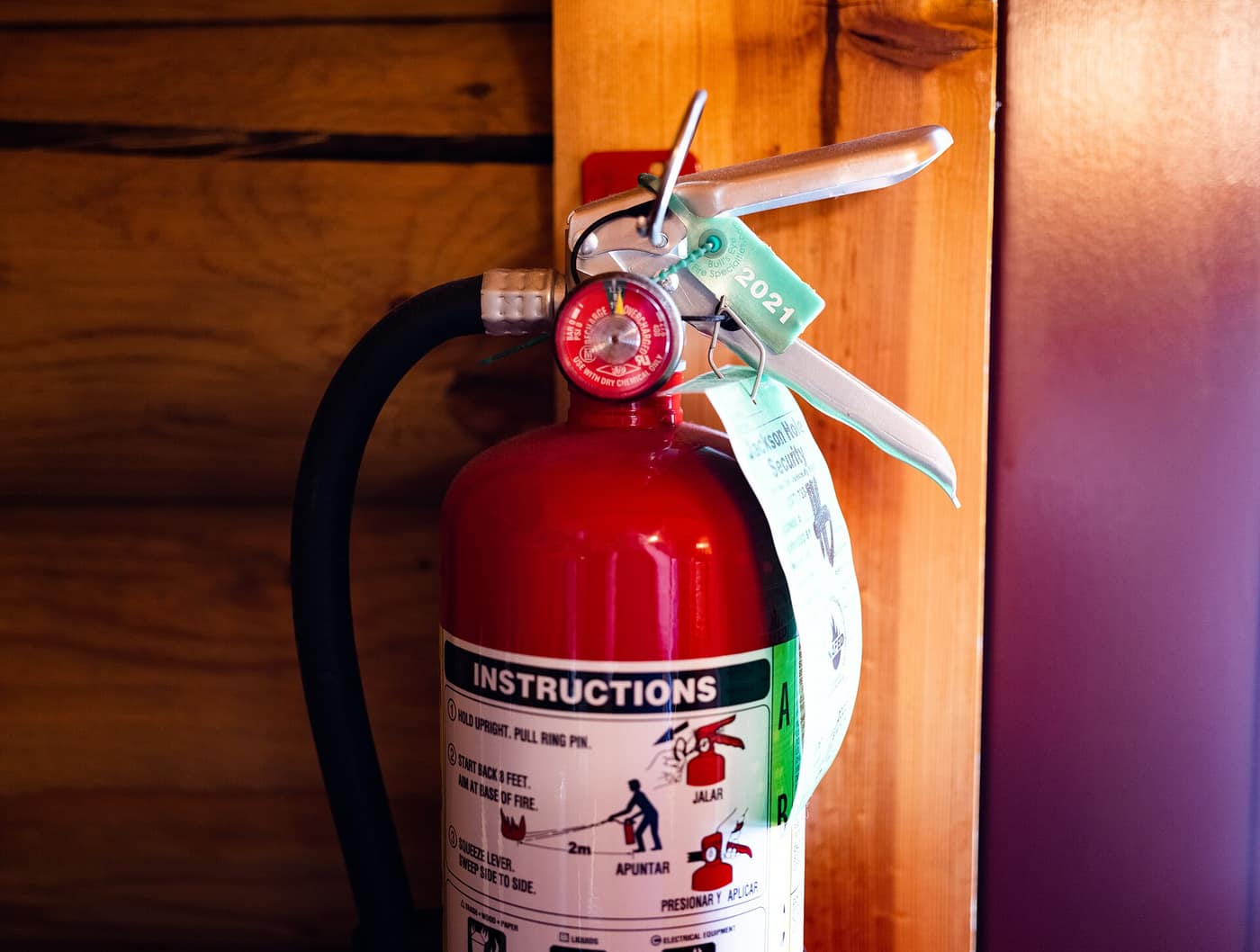
- Keep a fire extinguisher nearby. See our fire extinguisher guide.
If you smell gas
- Don’t switch lights or appliances on or off, and don’t use a flame.
- Close the cylinder valve if it’s safe to do so.
- Open doors and windows.
- Get out, and call your installer or emergency services (112 from a cellphone).
FAQ
What is a gas CoC?
A Certificate of Conformity confirming that a fixed gas installation complies with the Pressure Equipment Regulations. It’s issued by a gas practitioner registered with SAQCC Gas, and only the digital certificate is accepted since 1 April 2023.
Do I need a gas CoC to sell my house?
Yes, if the property has a fixed gas installation. A valid CoC must be issued to the new owner, and conveyancing sources say a new one is needed regardless of the age of the existing certificate. Check the specific requirements with your conveyancer.
How long is a gas compliance certificate valid?
The regulations don’t set a fixed validity period. You do need a new CoC after any alteration and when the property is sold.
Can any plumber issue a gas CoC?
No. Only a gas practitioner registered with SAQCC Gas for the relevant gas type and scope of work can issue it. Check their registration on the SAQCC Gas register before work starts.
Do I need a CoC for a portable gas heater?
A portable heater on its own cylinder is generally not treated as a fixed installation. If the heater is connected to a fixed supply or an outside cylinder through pipework, it’s part of an installation and needs a CoC.
Who pays for the gas CoC when a house is sold?
The seller is usually responsible, unless the sale agreement says otherwise. Check the agreement and ask your conveyancer.

Nadia Pillay
Home fire safety writer
Writes our home fire safety guides, built on SANS standards, SAQCC rules and fire service advice.
More from Nadia →